NO TOUR, NO FEE! Family Owned & Operated Since 1996 • 3,000+ Five-Star Reviews • TripAdvisor 94/100
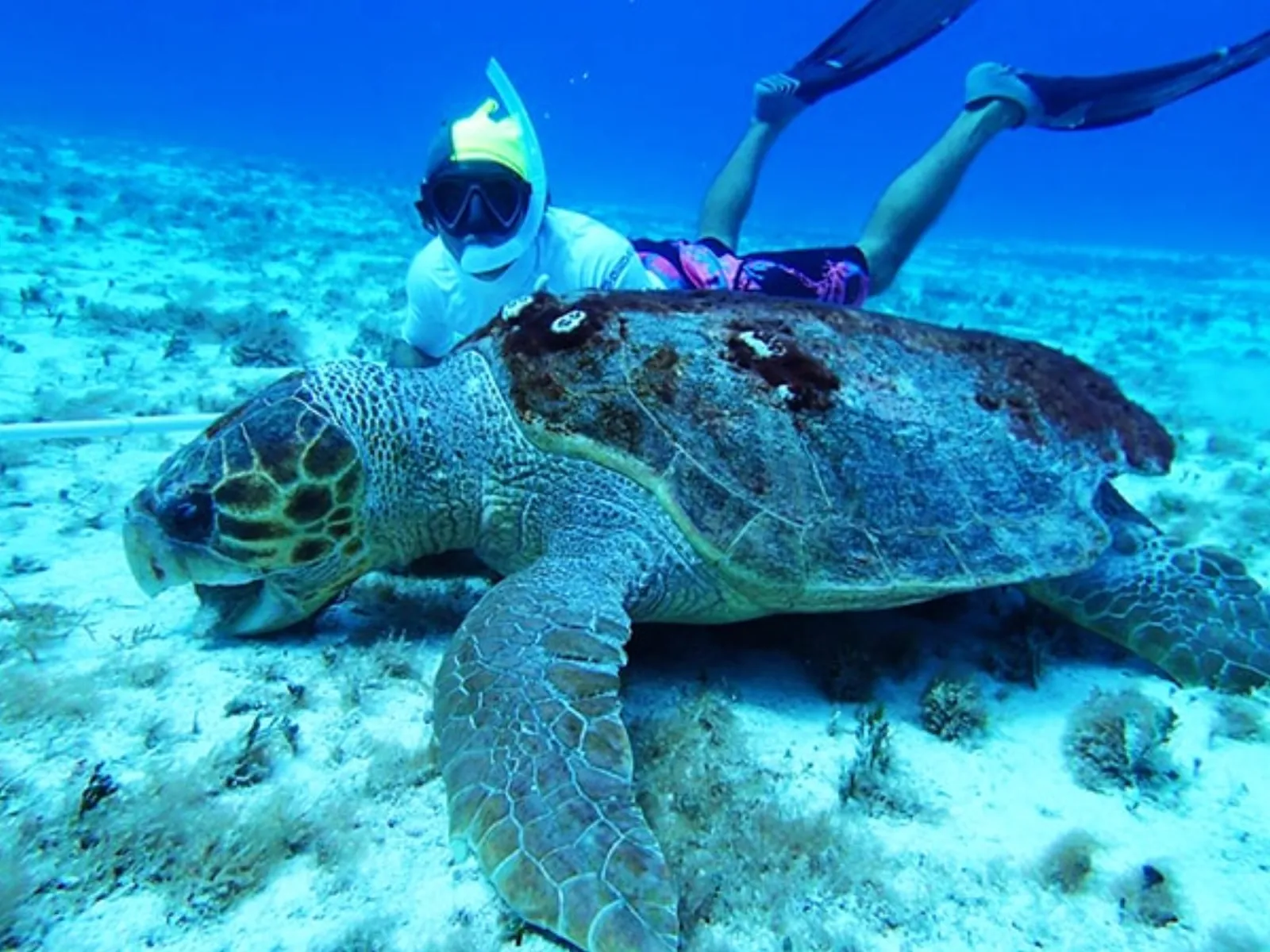
Home to three species of sea turtles, Cozumel's protected reefs and pristine beaches are one of the Caribbean's most important marine turtle habitats.
Snorkel with Sea TurtlesThree species of sea turtle are found in Cozumel's waters, each playing a vital role in the health of the reef ecosystem.
Chelonia mydas
The most commonly spotted turtle in Cozumel's waters. Green sea turtles graze on seagrass beds along the island's western coast and are frequently seen by snorkelers at Colombia Reef and Palancar. Despite their name, they are actually named for the green color of their body fat, not their shells.
Fun fact: Green sea turtles can hold their breath for up to 5 hours while sleeping underwater. They slow their heart rate to conserve oxygen, sometimes going as long as 9 minutes between heartbeats.
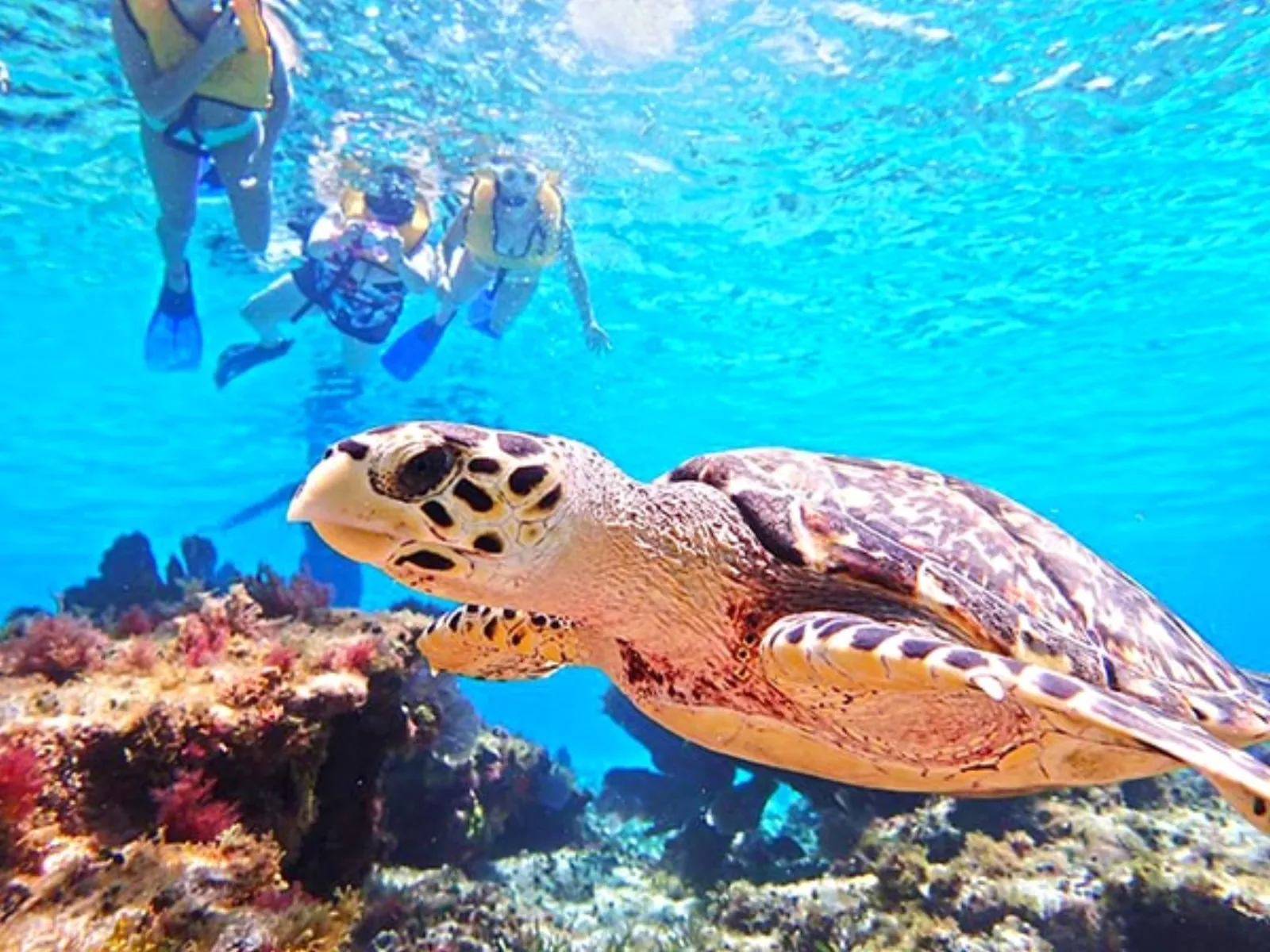
Caretta caretta
Named for their large, powerful heads, loggerheads have incredibly strong jaws that can crush conch shells and sea urchins. They are less commonly seen while snorkeling but nest on Cozumel's east coast beaches between May and October. Their nesting sites are closely monitored by local conservation groups.
Fun fact: Loggerhead hatchlings use the Earth's magnetic field to navigate across the entire Atlantic Ocean and back to their birth beach decades later to lay their own eggs.
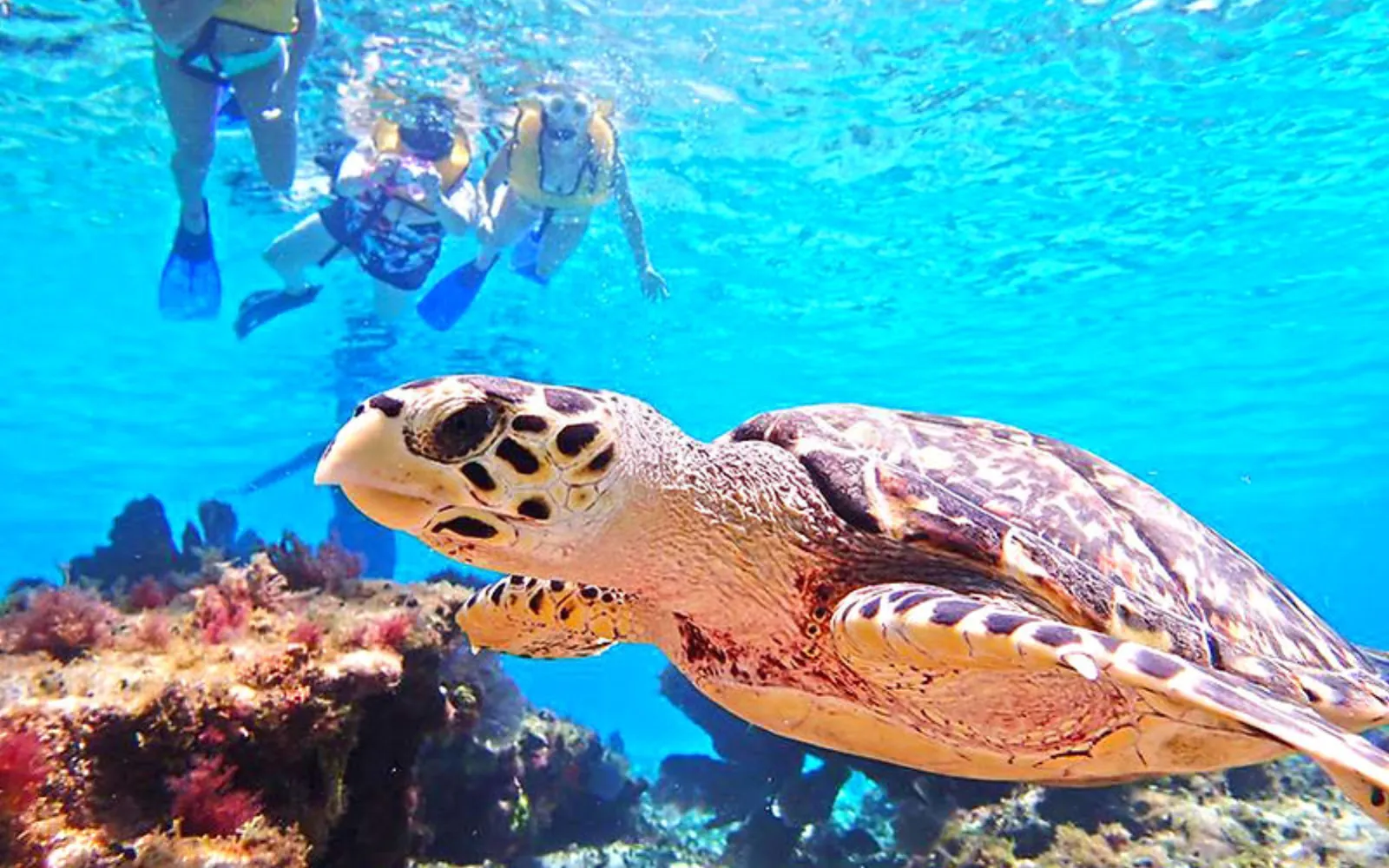
Eretmochelys imbricata
The jewel of Cozumel's reef ecosystem. Hawksbills have a narrow, pointed beak perfectly shaped for extracting sponges from coral crevices. Their beautiful, overlapping shell plates made them the target of centuries of tortoiseshell trade, pushing them to the brink of extinction. Cozumel's protected reefs are one of their last strongholds in the western Caribbean.
Fun fact: Hawksbills are essential to coral reef health. By eating sponges that compete with coral for space, they help reefs grow and thrive. Without them, sponges would overgrow and suffocate the coral.
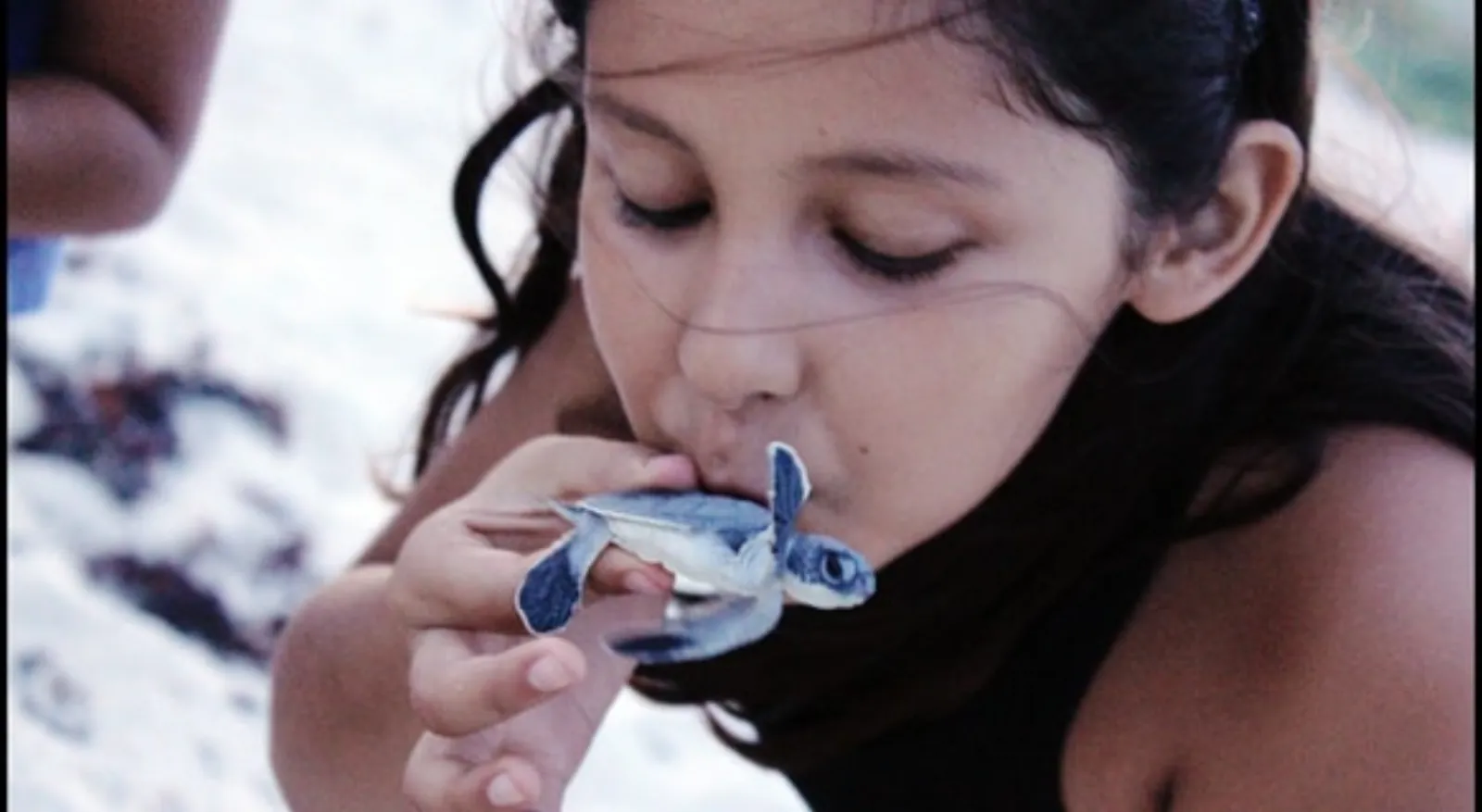
Nesting season runs from April to October on Cozumel's east coast beaches. Female turtles return to the same beach where they were born to lay their eggs, sometimes traveling thousands of miles across the ocean. Each female lays 3–5 clutches per season, with 100–150 eggs in each nest. After 45–60 days of incubation in the warm sand, tiny hatchlings emerge at night and scramble toward the moonlight reflecting off the ocean.
Early nesters arrive; beach patrols begin
Peak nesting. Females lay 100–150 eggs per clutch
First hatchlings emerge (45–60 day incubation)
Late hatchlings; season winds down
Off-season. Turtles forage on the reefs year-round
Hatchling release programs: Several conservation organizations on Cozumel run guided hatchling release events during July–September. These are unforgettable experiences, so check locally for schedules.
Encountering a sea turtle in the wild is a privilege. Follow these guidelines to protect them for future generations.
Stay at least 6 feet from any sea turtle. Never chase, touch, or ride them. Let the turtle come to you. They are naturally curious.
Flash disorients turtles, especially at night during nesting. Underwater cameras without flash are fine, and the natural light produces better photos anyway.
Chemical sunscreens contain oxybenzone and octinoxate, which are toxic to turtles and coral. Use mineral-based, biodegradable sunscreen only.
If you see a turtle nesting or hatchlings emerging, observe from a distance. Do not use lights, and never pick up hatchlings. They need to reach the ocean on their own.
Cozumel's reefs are a protected national marine park. Follow all park rules, stay in designated snorkeling areas, and never stand on coral.
A portion of your Marine Park entrance fee funds turtle conservation programs. You can also volunteer with local organizations during nesting season.
Our snorkeling tours visit the reefs where green and hawksbill turtles feed daily. Sightings are extremely common, and we see them on nearly every trip.
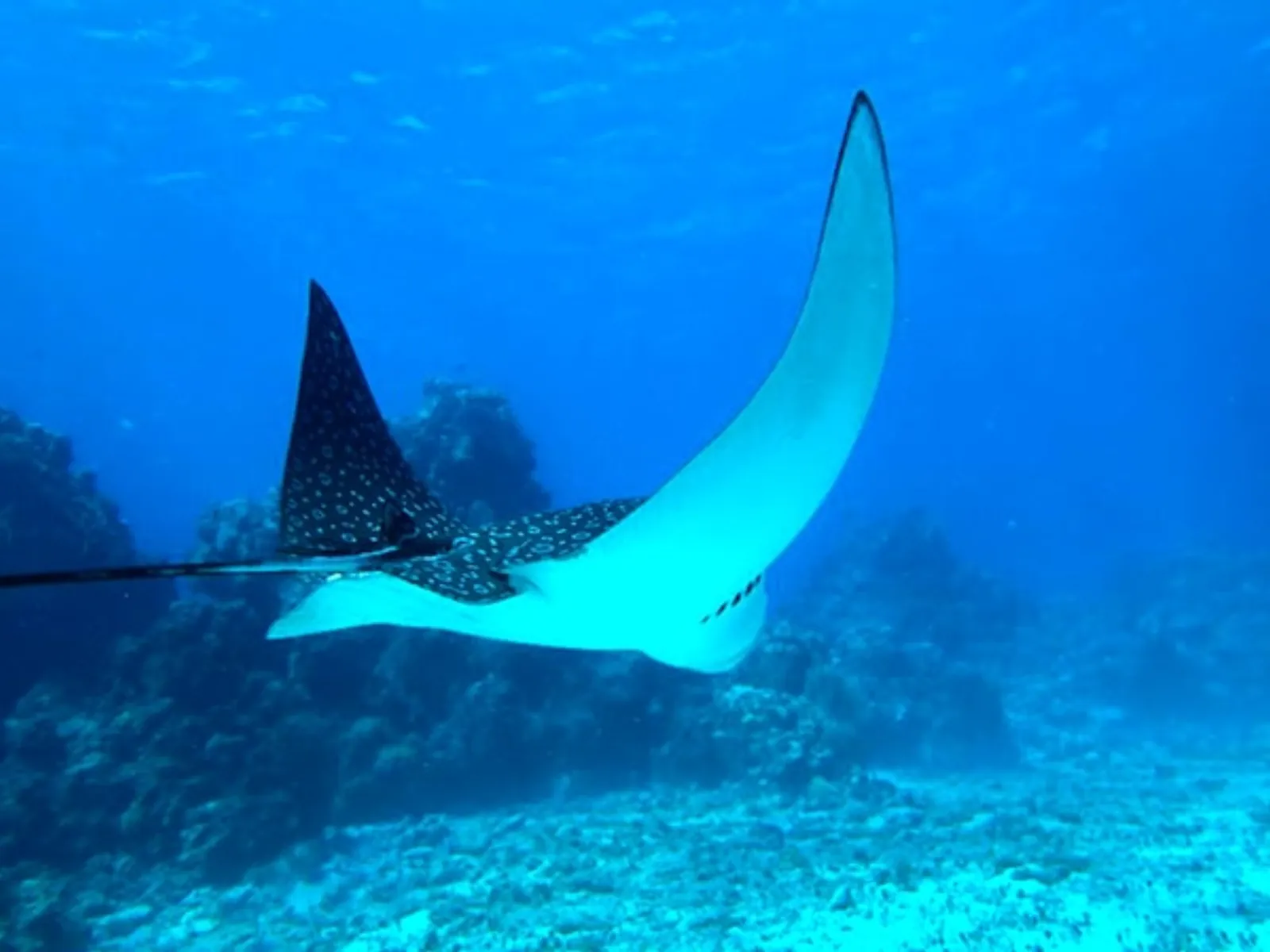
Visit Colombia and Palancar Reefs where green turtles graze on seagrass. Our most popular tour with turtles spotted on 95% of trips.
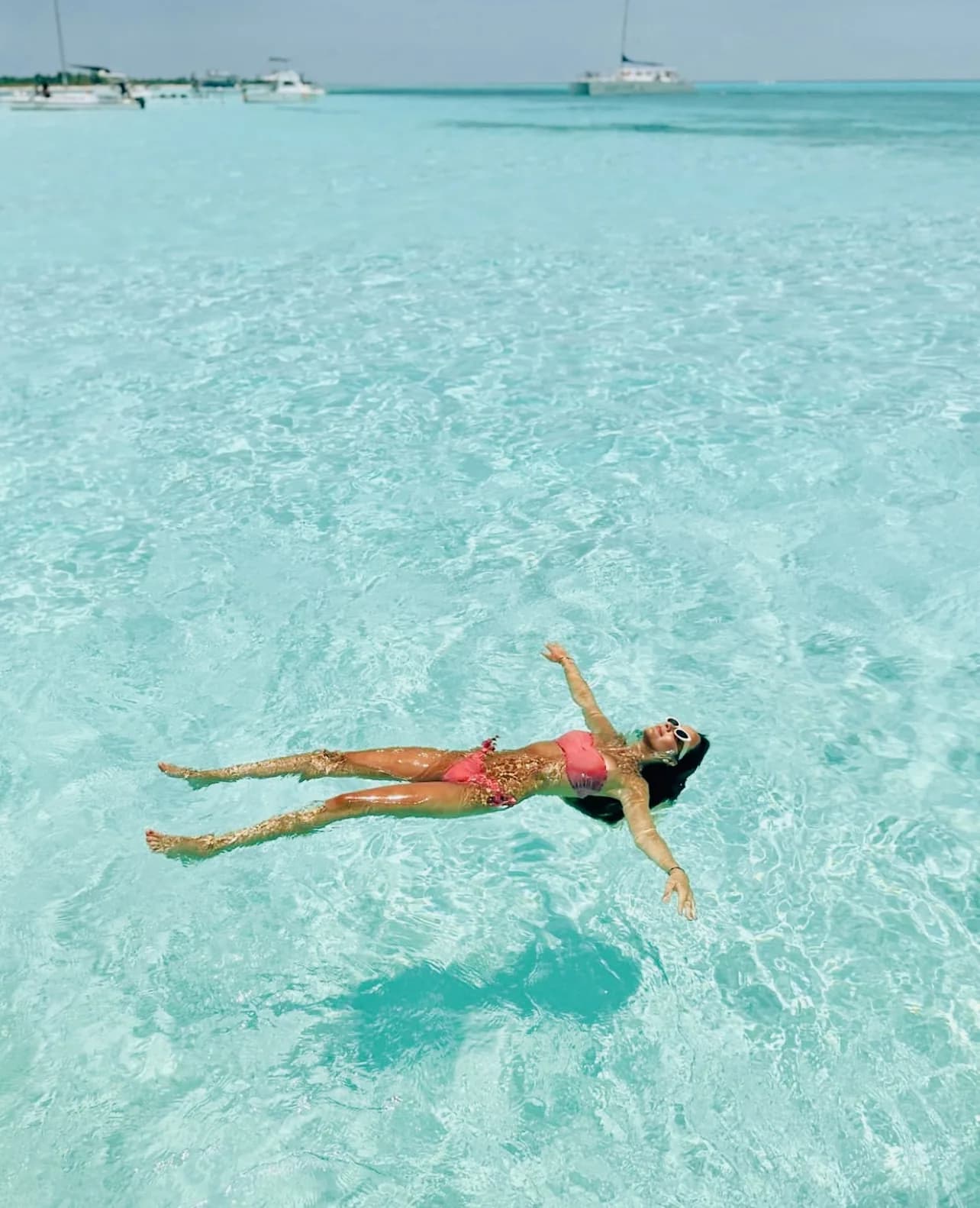
Shallow reef stops en route to El Cielo often reveal turtles resting on the sandy bottom or gliding between coral heads.
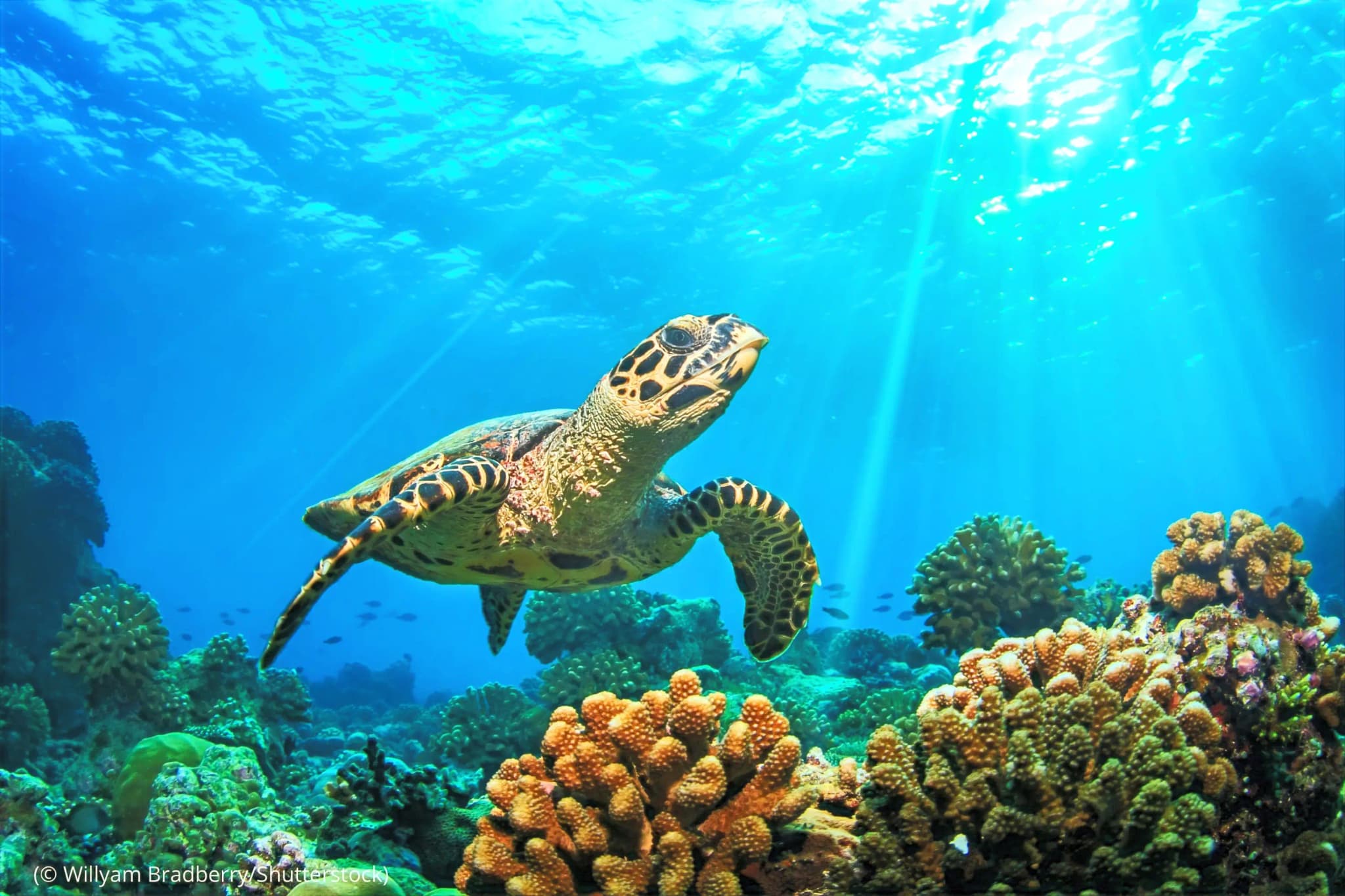
Get even closer to turtles on a guided scuba dive. No certification needed. Our instructors handle everything.
Our licensed snorkeling tours visit the reefs where turtles feed every day. Small groups, expert guides, and a 100% refundable deposit. No risk, all reward.