

El Cielo is Cozumel's famous starfish sandbar — waist-deep turquoise water over white sand, reachable only by boat. Here is what it actually is, how it differs from the surrounding reefs, the rules that protect the starfish, and how to plan the trip around a cruise ship day.
El Cielo Reef, Cozumel: The Complete Guide to the Starfish Sandbar
Ask ten people who have been to Cozumel what the single best thing they did there was, and a startling number will say the same two words: El Cielo.
It photographs almost unfairly well — impossibly clear turquoise water, blinding white sand, and dozens of enormous orange starfish scattered across the bottom. But there is real substance behind the photographs, and there are also several things about El Cielo that first-time visitors consistently get wrong.
This guide covers what El Cielo actually is, how the name relates to the reefs around it, the conservation rules that genuinely matter, and how to fit it into a cruise ship port day without cutting it close. If you are ready to reserve, our El Cielo snorkeling tour by boat is the most direct way to see it.
First: El Cielo Is a Sandbar, Not a Reef
This is the most useful thing to understand before you book anything.
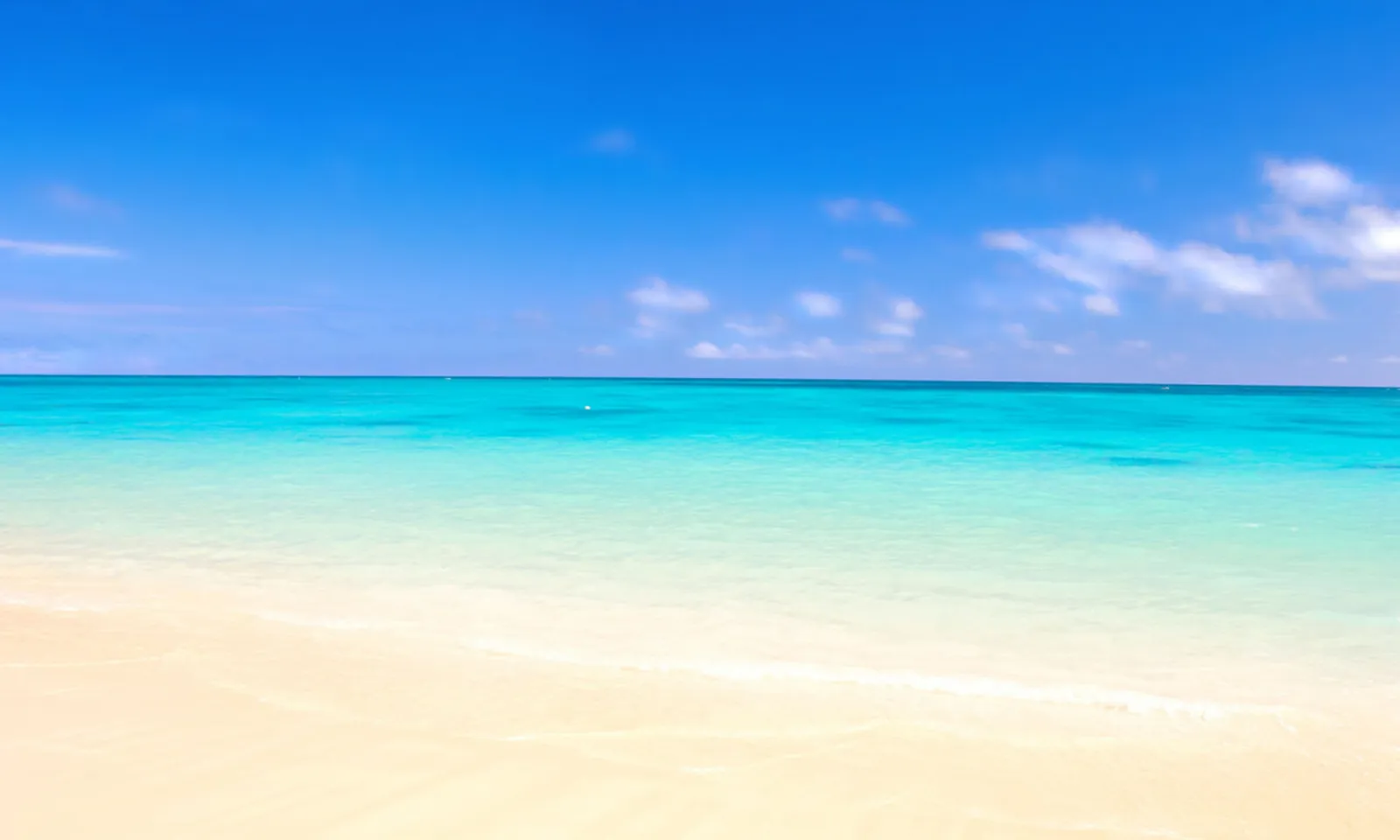
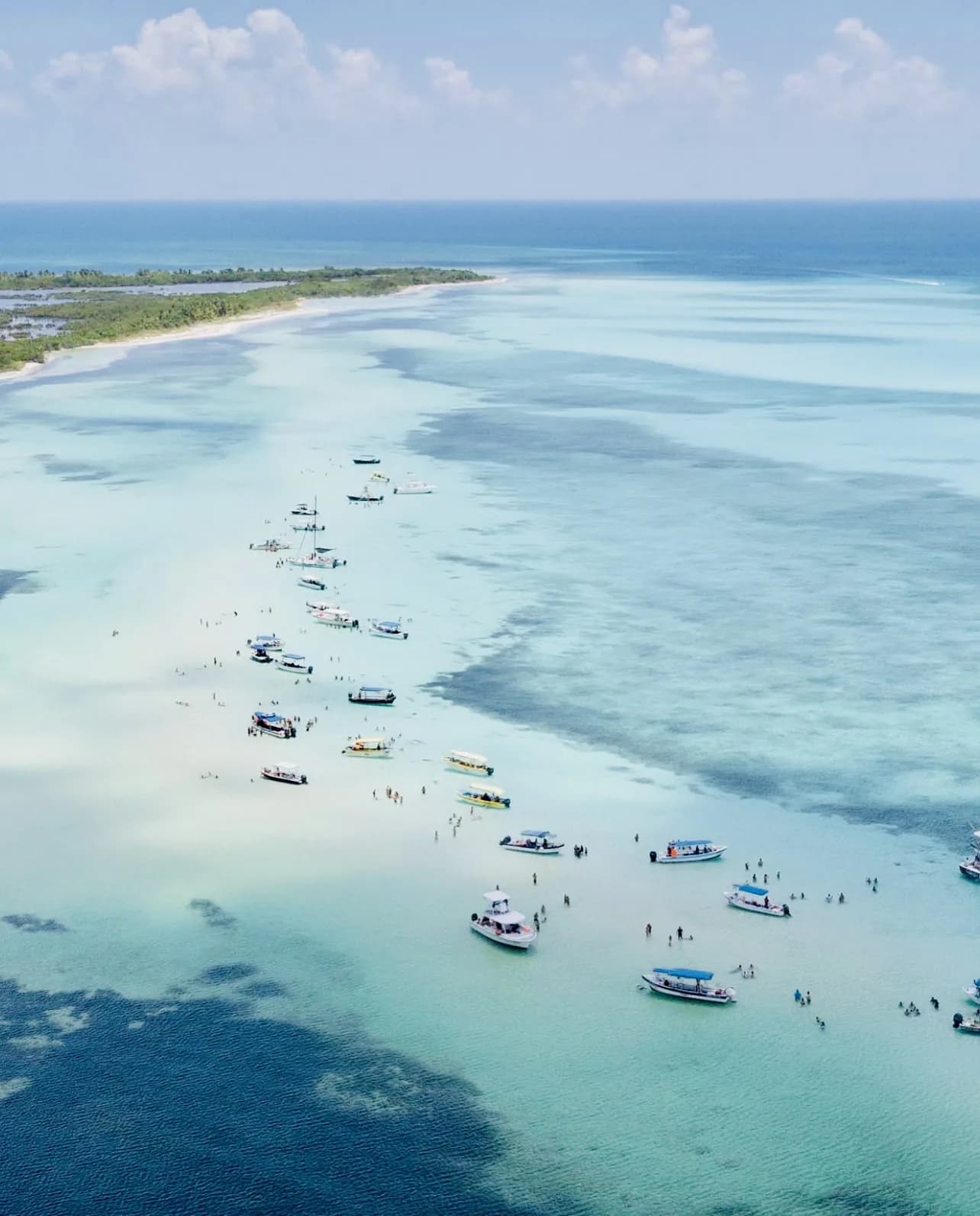
"El Cielo reef" is how nearly everyone searches for it, but El Cielo itself is a shallow sandbar — a broad, sunlit expanse of white sand in water that is often only three to four feet deep. There is no coral formation at El Cielo proper. The bottom is sand, the water is calm, and you can stand up in most of it.
The name means "the sky" or "heaven" in Spanish, and it comes from the starfish. Scattered across that pale sand bottom, the big orange sea stars look like constellations — stars in the sky, seen from above. That is the whole poetry of the place, and it holds up in person.
So where do the reefs come in? El Cielo sits along Cozumel's southwest coast, and the surrounding waters contain some of the most celebrated coral in the Caribbean — Palancar, Colombia, and their neighboring formations, all inside the Cozumel Reefs National Marine Park. Nearly every El Cielo trip is really a multi-stop tour: one or two genuine reef stops where you snorkel over living coral in deeper water, plus the sandbar stop where you stand in waist-deep water among the starfish.
That combination is the reason the trip works so well. The reef stops deliver the fish, the coral, and the drama. The sandbar delivers the calm, the color, and the photographs. Booking only one of the two is missing the point. Our guide to the best snorkeling spots in Cozumel breaks down how the individual reefs differ.
The Starfish Rules — Please Read This Part
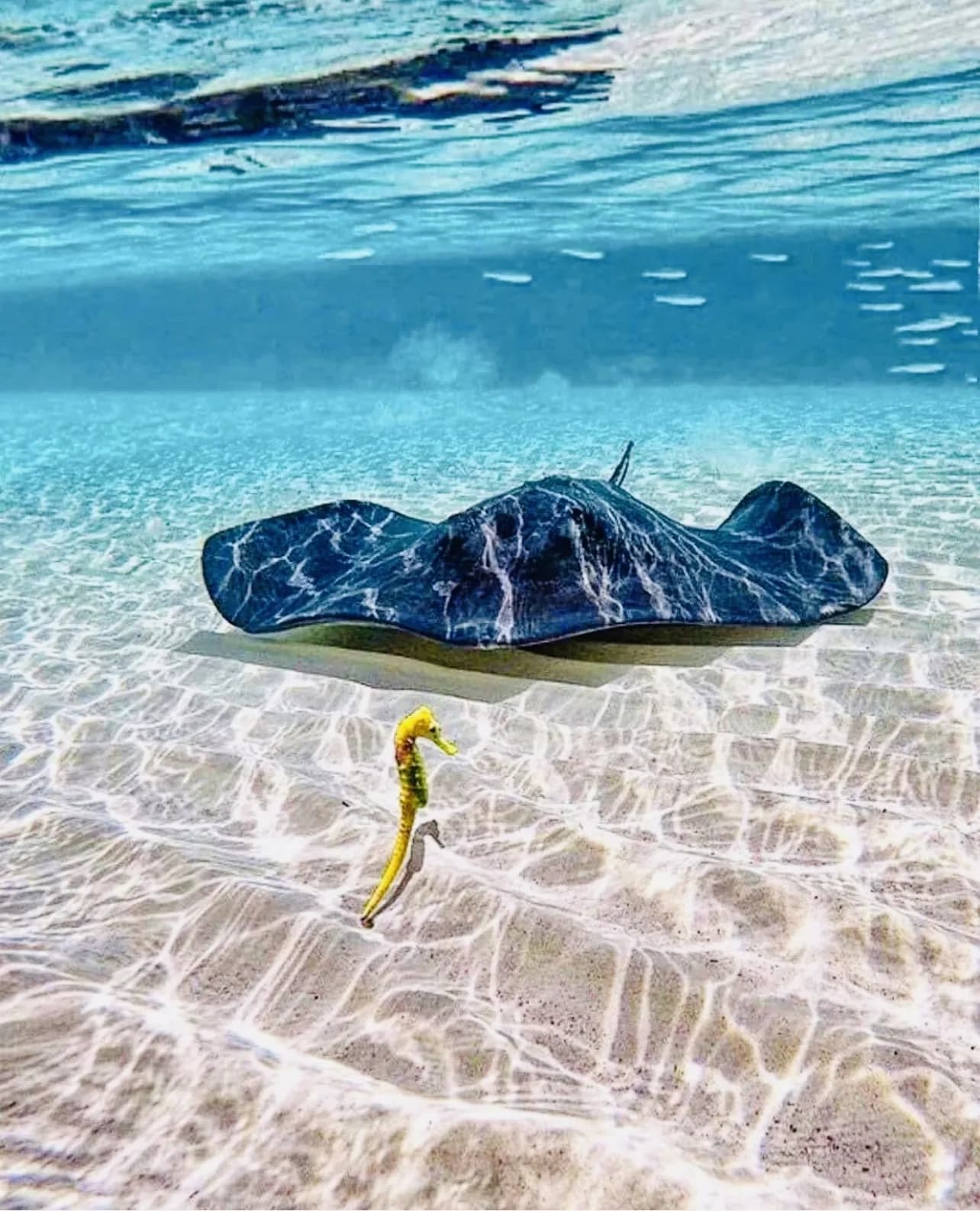
The starfish at El Cielo are red cushion sea stars (Oreaster reticulatus), and they are the reason the site exists as a destination. They are also genuinely fragile in a way that is not obvious.
Do not lift a starfish out of the water. Not even for a second. Not even for a photo.
This is not a soft guideline or a tourist-board nicety. Sea stars respire through structures that require water contact. Lifting one into the air forces air into its water vascular system, and the damage can be lethal — sometimes days later, well after the visitor has flown home believing no harm was done. Handling also removes the protective mucus layer that defends them against infection.
Mexican marine park regulations prohibit touching, lifting, standing on, or removing sea stars, and enforcement has tightened considerably in recent years. Reputable operators brief guests on this before anyone enters the water, and good guides will correct guests who forget. If a crew hands you a starfish for a photo, you are on a bad tour. That single behavior tells you everything about how the operator treats the ecosystem it depends on.
You can absolutely photograph them. Get in the water, hold your camera or phone in a waterproof case just under the surface, and shoot down. The results are better than the hand-held versions anyway — the water clarity does the work for you.
The same principle governs the reef stops: do not touch or stand on coral, which is a living colonial animal that takes decades to grow and seconds to break. Keep fins clear of the bottom, and stay horizontal over shallow coral heads.
Reef-Safe Sunscreen Is Required, Not Suggested
Cozumel's marine park rules restrict sunscreens containing oxybenzone and octinoxate, chemicals implicated in coral bleaching and reef damage. Operators will ask you about this, and some will ask you to rinse off before entering the water.
Bring mineral-based, biodegradable, reef-safe sunscreen — zinc oxide or titanium dioxide. Better still, rely on a rash guard or long-sleeve swim shirt, which offers superior sun protection, puts nothing in the water, and eliminates the reapplication problem entirely. The equatorial sun reflecting off white sand in shallow water is far stronger than most visitors anticipate. Sunburn on the backs of the legs is the single most common souvenir from a snorkel day.
Getting There: Boat Only
There is no road access to El Cielo. You cannot drive to it, taxi to it, or walk to it from a beach club. The sandbar is offshore, and every visit involves a boat.
That leaves a few realistic options:
Catamaran or group boat tours are the most common approach — larger vessels, typically 20 to 40 guests, usually with a full multi-stop reef itinerary, snacks, and an open bar on the return leg. Sociable, cost-effective, and dependable. See our catamaran snorkel cruise for the format.
Private boat charters are the option most people wish they had chosen after the fact. A private boat means you set the departure time, you pick the stops, you leave a spot early if the current is unpleasant or linger if the light is perfect, and you are not waiting on 38 other people to get their fins on. For families, photographers, groups of six or more, and anyone on a tight cruise schedule, the math often works out better than expected. Our private tour options cover the range.
Sunset departures are a genuinely different experience — fewer boats, gentler light, and a completely changed color palette over the sandbar. The sunset El Cielo cruise is worth considering if you are staying on the island rather than arriving by ship.
Boat time from the main departure marinas to the southwest coast generally runs 30 to 45 minutes each way, which is the number to build your day around.
Timing It Around a Cruise Ship Day
If you are arriving on a ship, this section is the one that matters most.
Go in the morning. Three reasons, in order of importance. First, seas are typically calmest before midday — afternoon wind chop degrades visibility and makes the ride less pleasant. Second, morning light penetrates the shallow water best, which is precisely what makes the sandbar photograph the way it does. Third, you get ahead of the crowd. El Cielo is popular, and by early afternoon in high season the sandbar can host a considerable number of boats.
Build a real buffer. A standard El Cielo trip runs roughly four to five hours door to door once you account for transfer to the marina, the boat ride out, three stops, and the return. Do not book anything that has you stepping back onto the pier 30 minutes before all-aboard. Weather, currents, and traffic do not care about your schedule.
Check what else is in port. On days when five or six ships call at once, everything on the island — taxis, marinas, the sandbar itself — is busier. Our Cozumel cruise ship schedule shows what is arriving and when, which is the easiest way to pick a low-traffic window. For the broader logistics of getting off the ship and to a departure point, see our Cozumel cruise port guide and our port day planning walkthrough.
One more consideration: independent operators generally return you to the pier with time to spare, but the responsibility for making the ship is yours. Any reputable operator builds in margin and monitors all-aboard times. Ask about the policy before you book — a good answer is specific and unhesitating.
When El Cielo Is at Its Best
Conditions vary meaningfully across the year.
Winter (December through February) brings the strongest chance of El Norte — northerly wind events that can close the marine park or make the crossing rough. When the port closes, tours cancel. This is not an operator failing; it is a safety decision made by the port authority. Ask about the rescheduling and refund policy, because in these months it occasionally matters.
Spring (March through May) is widely considered the sweet spot: calm seas, excellent visibility, comfortable temperatures, and reliably good conditions.
Summer (June through August) delivers the warmest water and often glassy mornings, along with the strongest sun and the most humidity. Morning departures matter most in these months.
Fall (September through November) overlaps hurricane season, with September and October the least predictable stretch. Visibility is often superb when weather cooperates.
Our seasonal guide to visiting Cozumel covers the tradeoffs in more detail.
Is It Good for Kids and Non-Swimmers?
Unusually, yes — and this is one of El Cielo's real advantages over most snorkeling destinations.
Because the sandbar is only a few feet deep with a sand bottom and typically minimal current, it is one of the very few places where a nervous swimmer or a young child can genuinely participate rather than watch from the boat. Standing waist-deep among the starfish requires no snorkeling skill at all.
The reef stops are different — deeper water, real current, and you are swimming rather than standing. Flotation vests are standard equipment on reputable boats and should be offered without your having to ask. A child who is not ready for the reef stops can stay aboard with an adult and still have a spectacular time at the sandbar.
For families planning a full day, our Cozumel with kids guide covers age-appropriate options across the island.
What to Bring
- Reef-safe mineral sunscreen and, ideally, a rash guard
- Towel and a change of dry clothes
- Waterproof phone case or an action camera — you will want it
- Cash in small bills for the marine park fee and crew tips
- Motion sickness remedy taken before boarding if you are susceptible
- Water shoes or sandals you do not mind getting wet
- A hat and polarized sunglasses for the boat ride
Leave behind anything you would be upset to lose overboard. Most operators provide masks, snorkels, fins, and flotation, but if you own a mask that fits your face well, bring it — fit is the difference between a great snorkel and a leaky, fogged-up hour.
Making It Happen
El Cielo earns its reputation. The combination of a shallow, swimmable starfish sandbar with world-class reef snorkeling minutes away does not exist in many places, and it is genuinely accessible to people who would never call themselves snorkelers.
Treat the wildlife well, go in the morning, leave yourself a buffer, and it will very likely be the thing you remember about Cozumel.
Browse all Cozumel snorkeling excursions, compare the reef snorkeling tour options, read our deeper El Cielo Cozumel guide, or reserve your spot online. If you would rather see the full range first, our complete tour catalog and our guide to things to do in Cozumel lay out everything available on a port day.