

El Cielo Cozumel photo tips on camera gear, light, water clarity and starfish rules, so you bring home great shots and leave the sandbar unharmed.
Ask anyone who has been to El Cielo Cozumel what they remember, and they will probably reach for their phone to show you. The water over the sandbar is shallow, bright and so clear that the sand looks lit from below, and the big orange and red cushion sea stars scattered across it make some of the most recognizable photos in the Caribbean. The catch is that you get one shot at this on a cruise day. You might have an hour or less in the water, and you will be sharing it with other boats.
This guide is about coming home with photos you love without disturbing the place that makes them possible. It covers what gear actually helps, how to work with light and water, how to photograph starfish responsibly, and how to plan the timing around your ship.
What makes El Cielo Cozumel so photogenic?
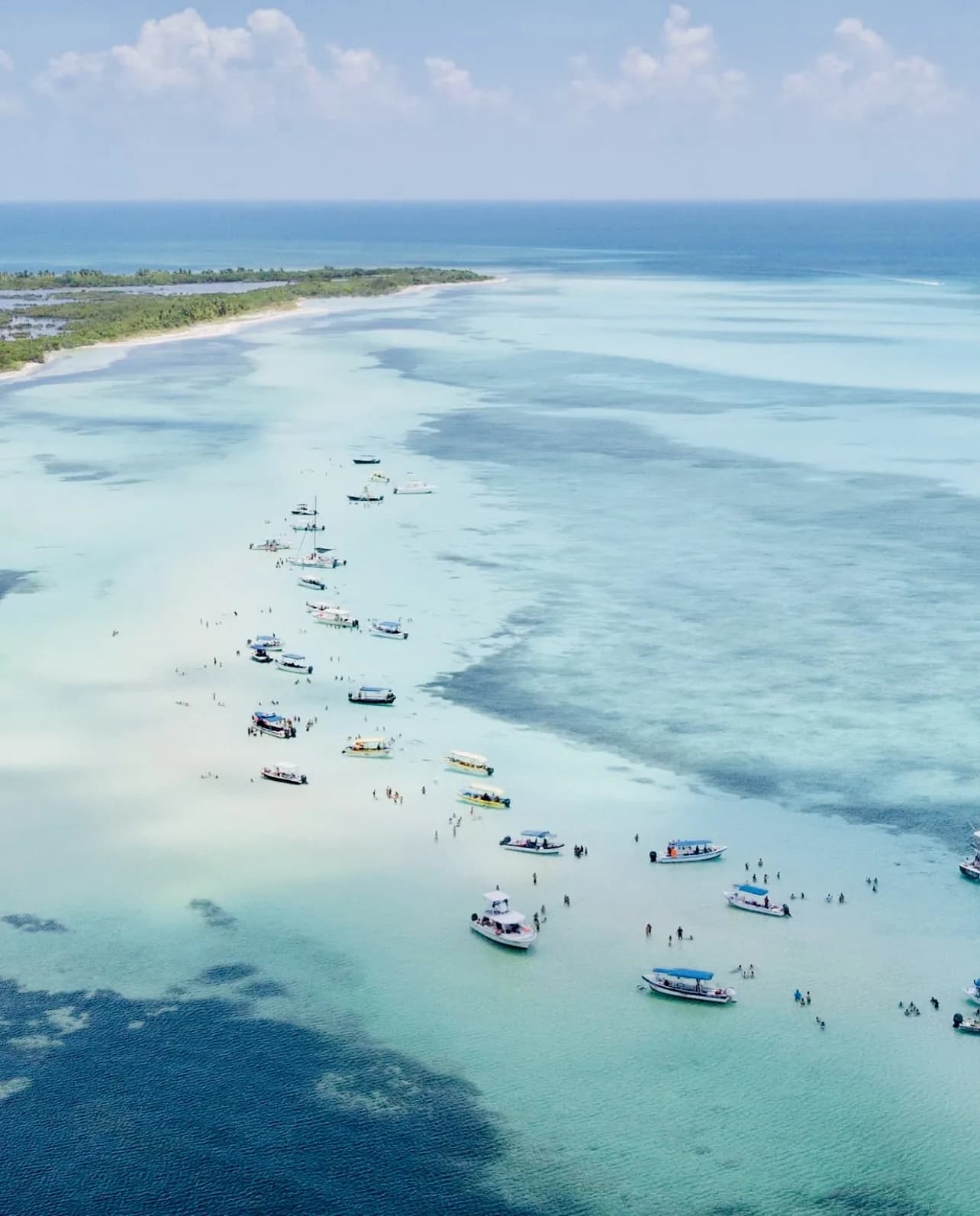
El Cielo, which means "the sky" or "heaven" in Spanish, sits off Cozumel's southwest coast inside the protected waters of the Cozumel Reefs National Park. It is reachable only by boat. Unlike the deeper wall reefs nearby, it is a wide, shallow sand flat, which is exactly why it photographs so well.
Three things work in your favor there:
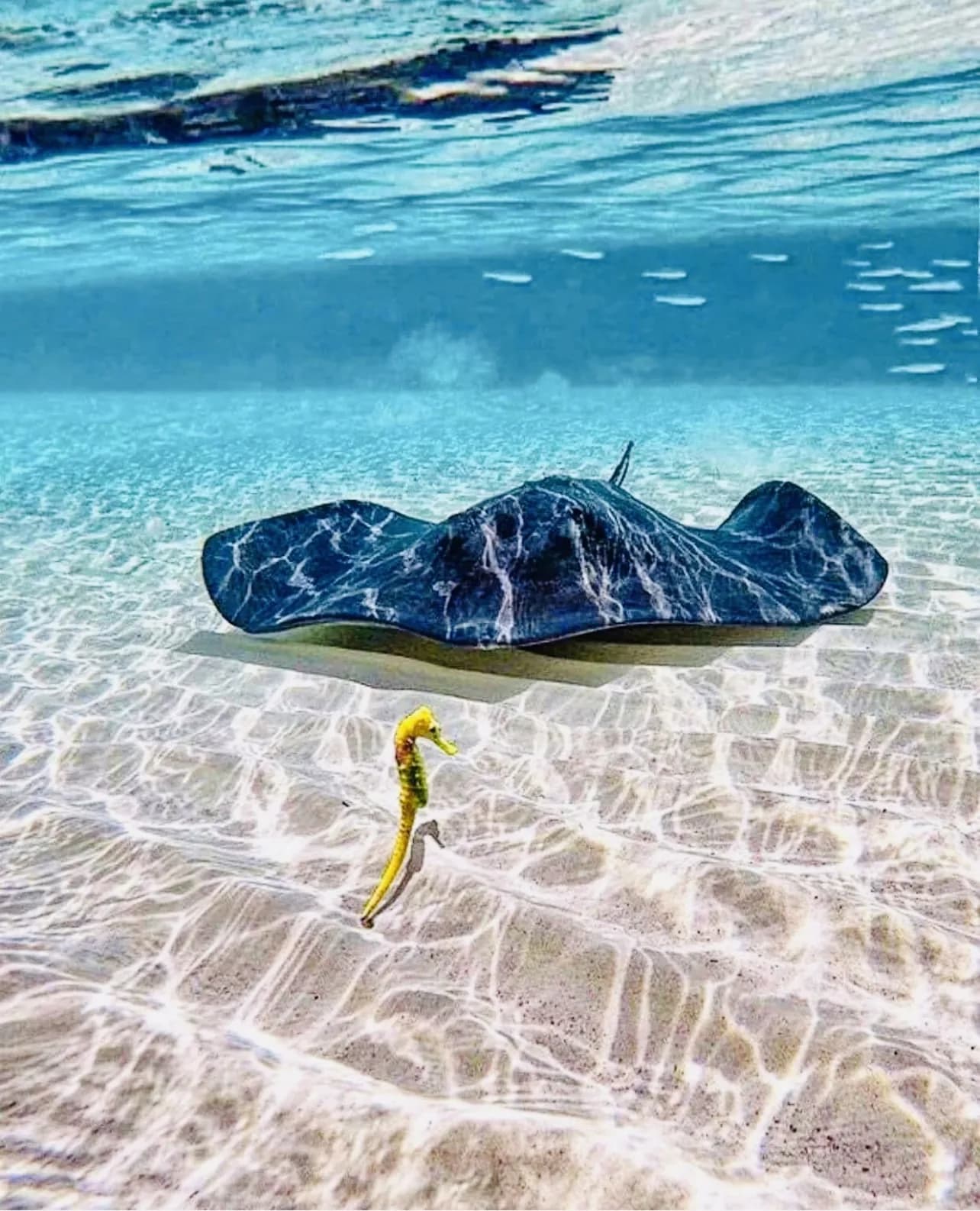
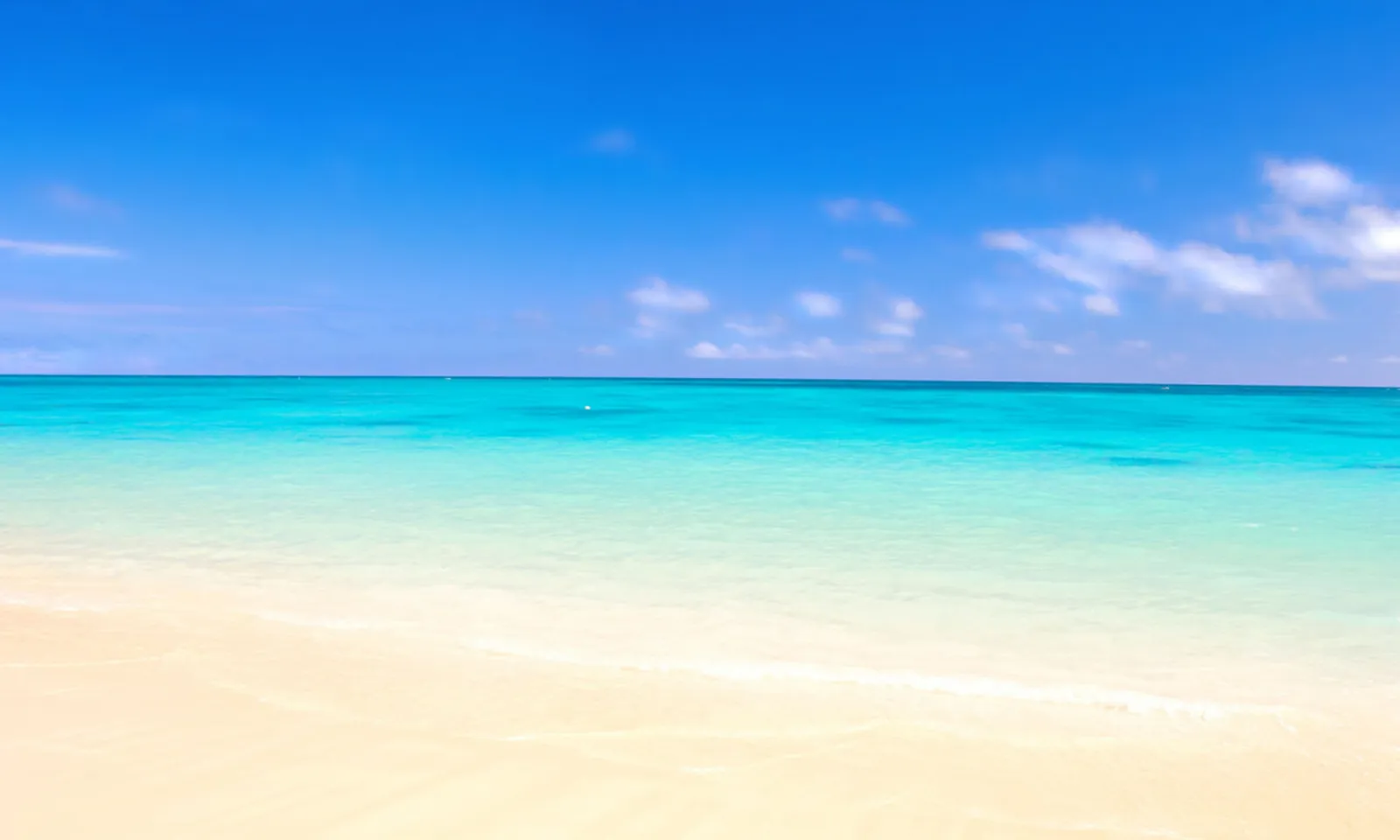
- Shallow, clear water. Sunlight reaches the bottom with little loss of color, so the sand stays bright white and the sea stars keep their warm tones. In deeper water, reds fade quickly and photos turn blue-green.
- A plain background. Pale sand makes almost anything placed in front of it stand out, whether that is a sea star, a passing ray or your own shadow.
- Calm conditions on good days. The southwest side of the island is often sheltered, which means less surge and sharper images.
Most visitors arrive as part of an El Cielo Cozumel snorkeling tour that also stops at one or two deeper reefs. That combination is great for photos: the sandbar gives you bright, colorful shots, and the reef stops add fish, coral and texture.
What camera gear works best at El Cielo?
You do not need expensive equipment. You need gear that is waterproof, secure and simple enough to use while floating.
Phones
A modern phone in a proper waterproof housing or pouch takes excellent photos in shallow, bright water. Test the pouch in a sink or the ship's pool before your port day, with a tissue inside instead of the phone, so you know it seals. Be aware that touchscreens often stop responding underwater, so learn how to take a photo with the volume button before you get in.
Action cameras
Small action cameras are built for this. They are waterproof without a housing in shallow water, easy to hold, and their wide lenses suit the open sandbar. Shoot video and pull stills from it later if you find it easier than timing single shots.
What to leave on the ship
Large cameras with long lenses are awkward on a snorkel boat and in the water. Drones are another item to leave behind unless your operator confirms in advance that flying one is allowed, since the area is a protected national park and boats often operate close together.
Whatever you bring, use a wrist strap or a floating strap. The sand looks close enough to reach, but chasing a dropped phone means stirring up the bottom and ruining the visibility for everyone around you.
How do you photograph starfish at El Cielo responsibly?
The cushion sea stars are the stars of every El Cielo photo, and they are also wild animals living in a protected area. Never lift a sea star out of the water. They breathe through their skin and tube feet, and taking one into the air, even for a few seconds for a photo, can harm or kill it.
The good news is that the best starfish photos do not require touching anything. Here is how to get them:
- Float, do not stand. Wear your life vest, stay horizontal and hover above the sea stars. Standing on the sand kicks up a cloud that drifts across your shot and can crush animals you cannot see.
- Get low and close with the camera, not with your body. Hold the camera out and angle it slightly upward toward the sea star, so the sunlit surface or sky behind it fills the background.
- Shoot from above for the classic look. A straight-down shot of a sea star on rippled white sand is the image most people want, and it is easy to get from the surface.
- Include a hand, carefully. A hand held near a sea star gives a sense of scale. Keep a gap between your fingers and the animal.
- Take more frames than you think you need. Small movements of the water change the light on the sand from one second to the next.
Your guide will brief you on the park rules on the boat. Listen closely, because they protect both the animals and your access to the site. Biodegradable, reef-safe sunscreen is expected in the marine park, and a rash guard is an even better way to protect your shoulders during a long float.
How do light and timing affect your El Cielo photos?
Light is the biggest single factor in underwater photos, and on a cruise day you have limited control over it. You can still make smart choices.
Time of day
Midday sun is strong and high, which is actually helpful in shallow water: it lights the sand evenly and keeps colors bright. Early morning and late afternoon light is softer and warmer but comes in at a lower angle, so less of it reaches the bottom. If your ship schedule gives you a choice of departures, pick the one that has you floating over the sandbar closest to the middle of the day.
Clouds and wind
A passing cloud can flatten colors for a few minutes, so be patient and wait for the sun to return before taking your best shots. Wind matters more. On days with strong winds, particularly when winter northerly fronts arrive, the water can turn choppy and cloudy, and the port captain may close the marine park to boats altogether. If that happens, your operator will tell you, and you should treat it as a safety decision, not an inconvenience.
Camera settings
For phones and action cameras, keep it simple. Turn on burst mode, turn off the flash, and lock focus if your device allows. Many devices also have an underwater or dive mode that warms up colors. If yours does not, you can correct the blue tint afterward with any basic photo editor.
How do you plan an El Cielo photo trip around your cruise schedule?
The photo part of the day is short, so the planning around it matters.
Book in advance. Popular departures fill up on busy port days, and booking ahead lets you choose a time that fits your ship's arrival and all-aboard time with a comfortable margin. Ask how long the boat typically spends at the sandbar, so you know how much time you have in the water.
Charge everything the night before. Bring a spare battery for an action camera, and clear space on your phone so you are not deleting files in the water. Pack a small dry bag for the boat ride.
Prepare your gear before you get in. Wipe the lens, check the housing seal, start the camera, and attach the strap while still on deck. Fumbling in the water costs you time at the best part of the trip.
Back it up. Before you return to the ship, or as soon as you are back on board, copy your photos to cloud storage or a second device. Losing the camera on the walk back is rare, but losing the only copy of the day would sting.
Most importantly, put the camera down for a few minutes. El Cielo Cozumel is one of those places worth seeing with your own eyes, floating over the sand with nothing in your hands.
Ready to capture El Cielo for yourself?
El Cielo Cozumel rewards a little preparation: a secure waterproof camera, an eye on the light, and a hands-off approach to the sea stars will give you photos worth framing while keeping the sandbar healthy for the next visitors. Browse the snorkel trips and port-day options at Cozumel Cruise Excursions and pick the departure that fits your ship's schedule.