
Everything you need to plan Cozumel snorkeling in 2026 — the best reefs, how to choose a tour, what gear to bring, what cruise passengers should book, and how to actually see the marine life the Mesoamerican Reef is famous for.
Cozumel Snorkeling Guide 2026: Best Reefs, Top Tours, and What Cruise Passengers Need to Know
If you have a single port day in Cozumel, Cozumel snorkeling is almost certainly the best return on your time. The island sits on the western edge of the Mesoamerican Barrier Reef — the second-largest coral reef system on the planet — and the leeward (west) coast is sheltered, clear, and packed with marine life that you can see from the surface. You do not need to be a strong swimmer. You do not need to be certified. You need a mask that fits, a tour operator that knows where the fish actually are, and a basic plan for the day.
This guide is the version of "what should I do in Cozumel" we wish someone had handed us before our first cruise stop. If you are ready to skip ahead and book, our Cozumel snorkel tour lineup covers every option from quick reef trips to full-day sailing excursions.
Why Cozumel Snorkeling Is World-Class
Three things make Cozumel one of the top snorkeling destinations on Earth:
- Visibility. The Yucatán Channel pushes clear Caribbean water across the reefs. On a good day, horizontal visibility runs 100-150 feet — sometimes more.
- Reef structure. The reefs sit unusually close to shore (often 100-300 meters out) and at depths from 10 to 40 feet, which means you do not need to dive to see the spectacular formations.
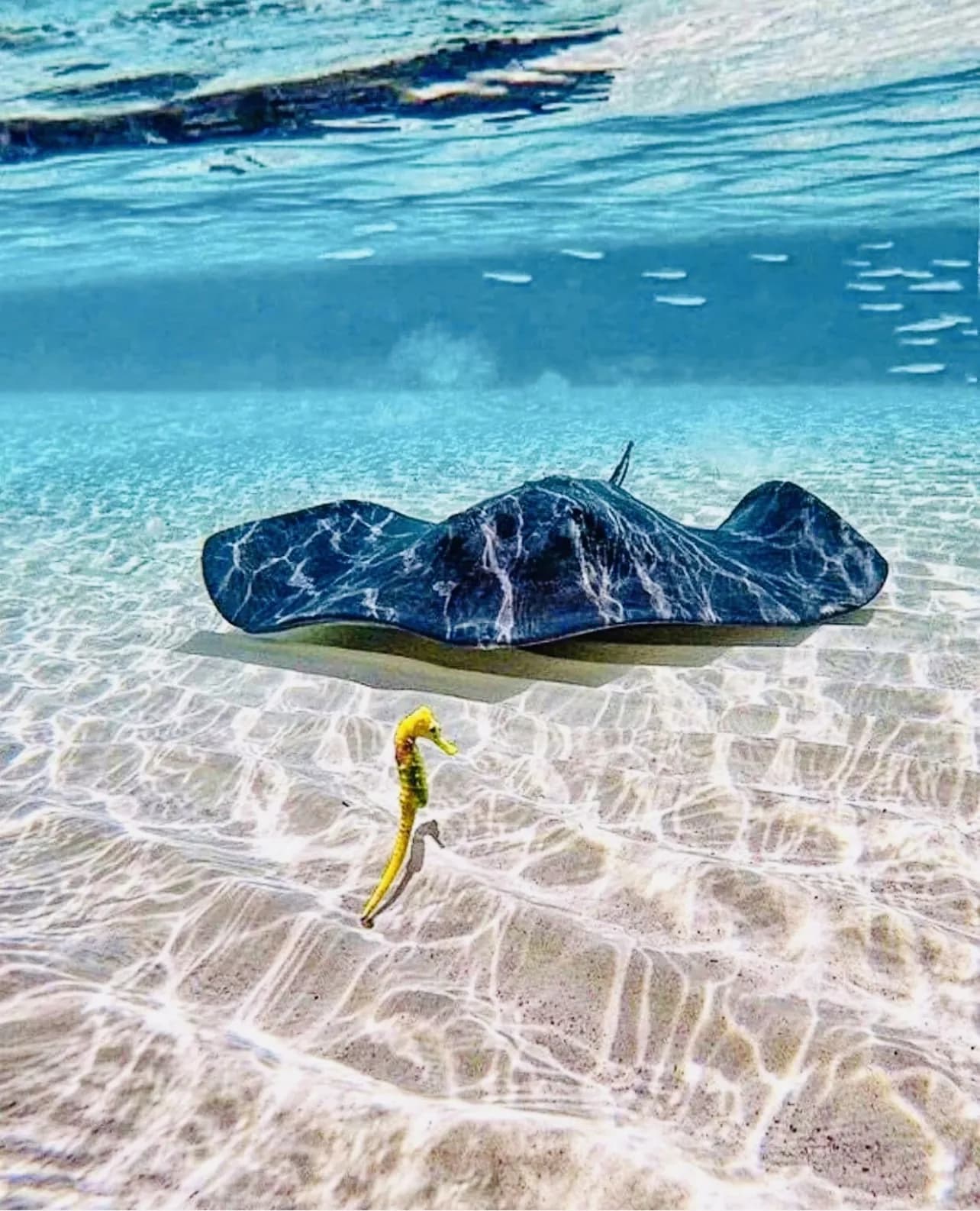
- Marine biodiversity. Sea turtles, eagle rays, southern stingrays, nurse sharks, parrotfish, angelfish, queen triggerfish, French grunts, moray eels, lobster, and the famous splendid toadfish (which lives nowhere else in the world) — all visible from the surface.
Jacques Cousteau put Cozumel on the international diving map in 1961, and the reef system has been a federally protected Mexican marine park since 1996. The protection matters: catch limits, anchor restrictions, and visitor caps have kept the coral structure largely intact while many Caribbean reefs have collapsed.
The Best Reefs for Snorkeling
Most Cozumel snorkel tours visit two or three reefs on a half-day trip. The ones worth knowing by name:
Paradise Reef (Arrecife Paraíso)
Closest to the cruise port. Shallow (15-30 feet), gentle current, and packed with fish. Perfect for first-time snorkelers and families with young children. This is where most short half-day tours start. You will see queen angelfish, sergeant majors, French grunts, and often a small nurse shark resting under a ledge.
Chankanaab Reef
Just south of Paradise. Slightly deeper, with more dramatic coral heads and frequent eagle ray sightings. Chankanaab also has a developed beach park with restrooms, equipment rental, and a bar — useful if you want to combine snorkeling with shoreside relaxation.
Palancar Reef
This is the headliner. Palancar is actually a chain of reef sections (Palancar Gardens, Palancar Caves, Palancar Bricks, Palancar Horseshoe) stretching for nearly five kilometers along the southwestern coast. Coral formations rise 30-40 feet from the sand floor, creating canyons, swim-throughs, and overhangs that look like submerged cathedrals. Snorkeling at Palancar Gardens (the shallowest section) is the best free-dive experience on the island.
Columbia Reef
South of Palancar, slightly more remote, and consequently less crowded. Stronger current — most operators only bring intermediate snorkelers here, and it is best done as a drift snorkel where the boat picks you up downstream.
El Cielo
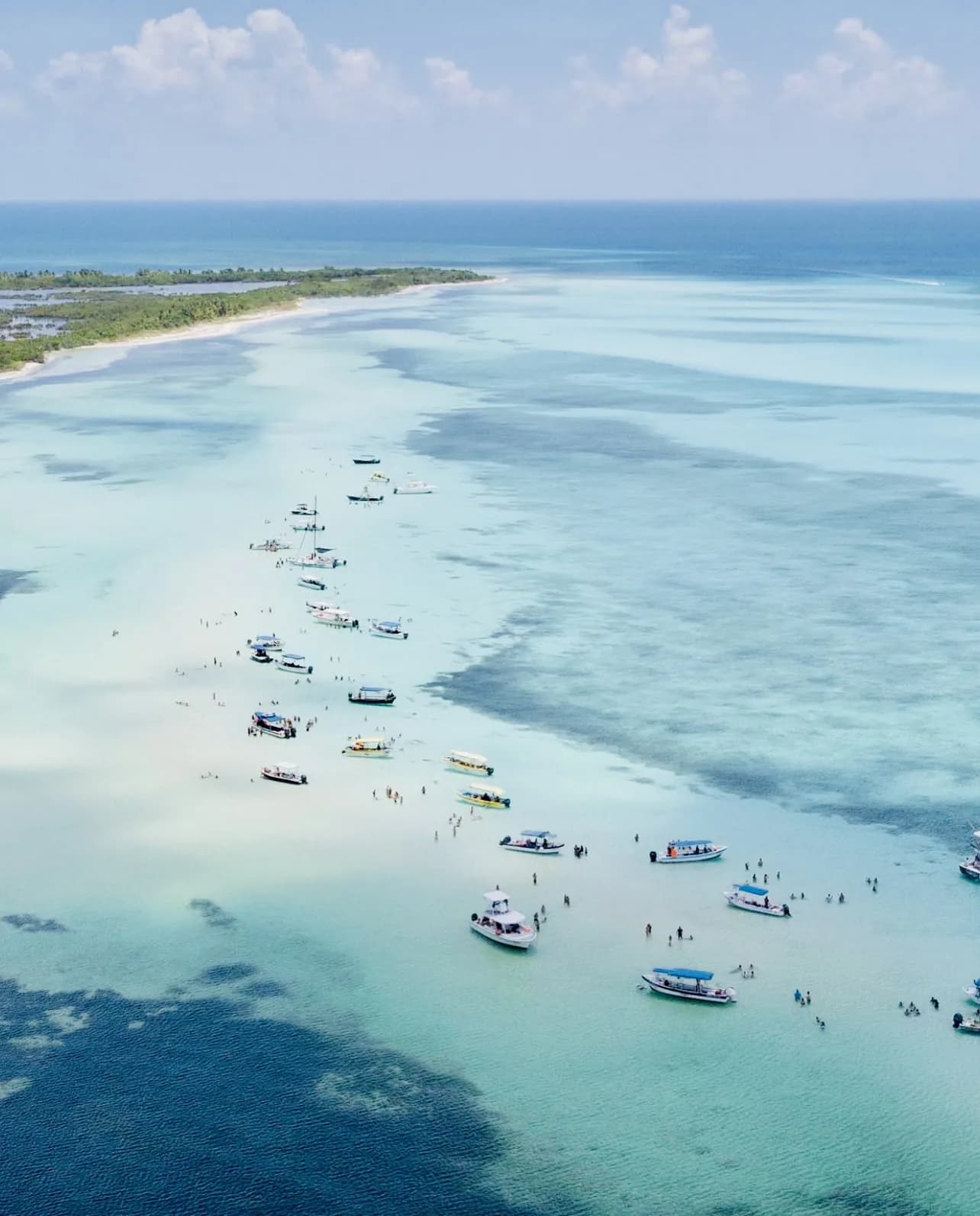
Not technically a reef, but the most photographed snorkeling in Cozumel location. El Cielo ("the sky" in Spanish) is a shallow sandbar at the southern tip of the island where dozens of orange cushion sea stars rest on white sand in waist-deep, glass-clear water. It is a stand-up-and-wade location more than a snorkel destination, but it is almost universally part of the best half-day tours. See our complete El Cielo Cozumel guide for tips on timing, photography, and what not to do (touching the starfish is now prohibited under Mexican marine park rules).
Other Standout Spots
- Money Bar / Dzul-Ha — easy shore snorkeling on the west coast
- El Cantil — wall snorkeling for stronger swimmers
- Villa Blanca — a forgiving beginner spot with restaurant access
How to Choose a Snorkel Tour
The single biggest decision is what type of boat. Cozumel snorkel tours come in five basic formats:
| Tour Type | Group Size | Duration | Best For |
|---|---|---|---|
| Speedboat reef hop | 6-15 people | 2.5-3.5 hours | Cruise passengers with limited time; serious snorkelers wanting multiple reefs |
| Catamaran sailing snorkel | 30-60 people | 4-6 hours | Couples, social atmosphere, includes lunch and drinks |
| Private boat charter | Your group only | Half or full day | Families, photographers, anyone who wants control of the itinerary |
| Glass-bottom boat | 20-40 people | 1-2 hours | Non-swimmers who still want to see reef life |
| Combo tour (snorkel + Jeep/ATV) | 10-20 people | 5-7 hours | Travelers who want a sampler of the island |
For most cruise passengers, the speedboat reef hop is the sweet spot — small enough to actually see fish, fast enough to hit 2-3 reefs plus El Cielo, and short enough to leave time for lunch in town. If that sounds right, our highest-rated Cozumel snorkeling excursion is a good place to start; it includes Palancar Gardens, El Cielo, and Colombia Shallows in a single morning.
Red Flags in a Snorkel Operator
- More than 20 people on a non-catamaran boat (you will be a herd, not a tour)
- No safety briefing before getting in the water
- Crew not in the water with you
- Equipment that looks like it has been borrowed from a 1980s gym locker
- No life jackets offered to weaker swimmers
- Promises to "feed the fish" — fish-feeding is prohibited in the marine park
Operators that brief you, give you well-fitting masks and decent fins, put a guide in the water, and respect the marine park rules are operators who will still be in business next year.
What to Bring
The short version: a swimsuit, a microfiber towel, reef-safe sunscreen, a hat, drinking water, and cash for tips. The slightly longer version:
- Reef-safe sunscreen — anything containing oxybenzone or octinoxate is banned in Cozumel's marine parks. Bring mineral-based (zinc oxide) sunscreen with you; the local price for a small tube is steep.
- A rashguard or UV shirt — Caribbean sun reflects off the water at a brutal angle. A long-sleeve UV shirt prevents both burns and the need for more sunscreen.
- Your own mask, if you have one — rented masks fit poorly. Even a $30 mask from home will dramatically improve your day.
- GoPro or waterproof phone case — you will want footage.
- Motion-sickness medication — if you are remotely susceptible, take it 30 minutes before boarding. Dramamine non-drowsy is the standard choice.
- Cash for tips — $10-20 USD per person per tour for the boat crew is customary and very much appreciated.
What not to bring: jewelry (you will lose it), heavy cameras you do not want to risk, glass bottles (prohibited on most boats), and selfie sticks of unreasonable length.
Snorkeling for Cruise Passengers Specifically
If you are arriving on a Carnival, Royal Caribbean, Disney, Norwegian, or MSC ship, you have somewhere between 6 and 9 hours on the island. Here is how to use them:
- Disembark early. The first tender or first walk off the pier puts you in the water before the crowds. By 10 a.m. the reefs are busy.
- Book independent rather than through the ship. Ship-booked snorkel excursions are typically larger groups, longer transfers, and 30-50% more expensive than booking the same tour directly with a local operator. The trade-off is that ship excursions guarantee the ship will wait for you if the tour runs late.
- Build in buffer time. A 3-hour snorkel tour that ends "at noon" rarely ends at noon. Give yourself 90 minutes of buffer between tour return and all-aboard.
- Tip in USD. Operators prefer it.
For a full breakdown of how to plan a port day around water activities, see our Cozumel cruise port guide, which includes pier-by-pier transfer times, ship schedules, and the practical logistics that determine whether a port day feels relaxed or frantic.
What You Will Actually See
A typical 3-hour snorkel tour in Cozumel — Paradise, Palancar Gardens, and El Cielo — produces sightings that, on a good day, include:
- 2-4 sea turtles (loggerhead and green)
- A dozen-plus parrotfish species
- Stingrays cruising the sand flats
- An eagle ray or two if you are lucky
- Splendid toadfish under ledges (listen for them — they make audible grunting sounds)
- Schools of blue tang, sergeant majors, French grunts
- Lobster and the occasional moray eel in coral crevices
- Cushion sea stars on the sand at El Cielo
You will not see (despite what some marketing suggests): dolphins in the wild reliably (those tours are captive-dolphin programs), whale sharks (those are seasonal and based further north out of Holbox/Isla Mujeres in summer), or coral in fluorescent neon colors (real coral is more muted, but no less beautiful in person).
The Best Time of Year for Cozumel Snorkeling
Cozumel is a year-round snorkeling destination, but conditions vary:
- December – April: Peak season. Best visibility, lowest rainfall, gentlest seas. Also the most crowded reefs.
- May – June: Excellent water, fewer crowds, beginning of the warm season.
- July – August: Warmest water (84-86°F), peak family travel.
- September – October: Hurricane season, lowest crowds, occasional cancellations. If your itinerary is flexible, snorkeling is still spectacular between storms.
- November: Shoulder season; very good conditions and good pricing.
Final Word
Cozumel snorkeling is one of those rare travel experiences that genuinely lives up to the marketing — provided you book with an operator who knows what they are doing, hit the right reefs, and give yourself enough time on the water. Whether you have a single port day or a full week on the island, the reef system is the reason most people remember the trip. Pick a tour that visits at least two reefs plus El Cielo, get in the water before the crowds, and you will leave with the kind of memory that justifies coming back.