

Carnival ports in Mexico span both coasts, and knowing what each one offers ashore is the difference between a great port day and a wasted one.
Book a Carnival sailing out of Galveston, Miami, New Orleans or Long Beach and there is a good chance Mexico is on the itinerary. The carnival ports in mexico are spread across two entirely different coasts, though, and a passenger who assumes they all deliver the same beach-and-margarita afternoon tends to waste the best one.
We run tours in Cozumel, so we see the pattern constantly: people step off the ship with no plan, spend forty minutes deciding, and lose a quarter of their day at the pier. A little advance knowledge of what each port actually is fixes that.
Here is the practical rundown — which ports you are likely to hit, what the arrival looks like at each, and how to build a day that gets you back aboard comfortably.
Which Carnival Ports in Mexico Will You Actually Visit?
It depends entirely on where you sail from, and the split is clean.
Caribbean and Gulf departures — Galveston, New Orleans, Miami, Port Canaveral, Mobile, Tampa, Jacksonville — send you to the Yucatán side. That means Cozumel, Costa Maya and Progreso, usually one or two of the three on a week-long itinerary.
Pacific departures — primarily Long Beach and San Diego — put you on the Mexican Riviera: Ensenada, Cabo San Lucas, Puerto Vallarta and Mazatlán, in varying combinations depending on the length of the cruise.
Short three- and four-night sailings out of Long Beach lean heavily on Ensenada. Longer Mexican Riviera runs add Cabo and Puerto Vallarta. On the Caribbean side, Cozumel is the most frequent call by a wide margin, which is why it has the deepest excursion market of any Mexican cruise port.
Cozumel is the anchor of the carnival ports in mexico rotation, and Puerta Maya is the pier most of its ships use — our full Puerta Maya guide walks through the layout, the walk into town and what is within reach of that specific berth.
The Caribbean Side: Cozumel, Costa Maya and Progreso
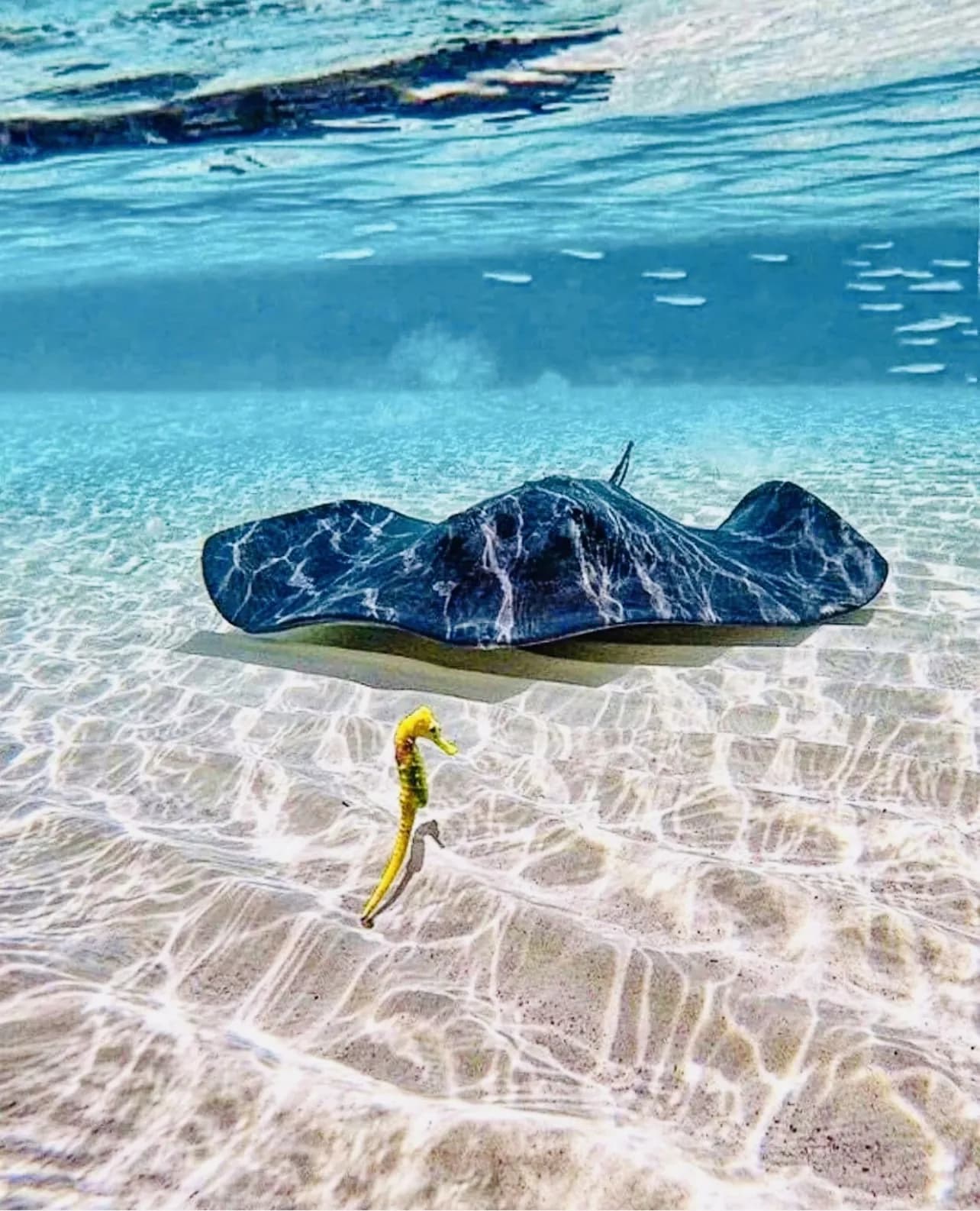
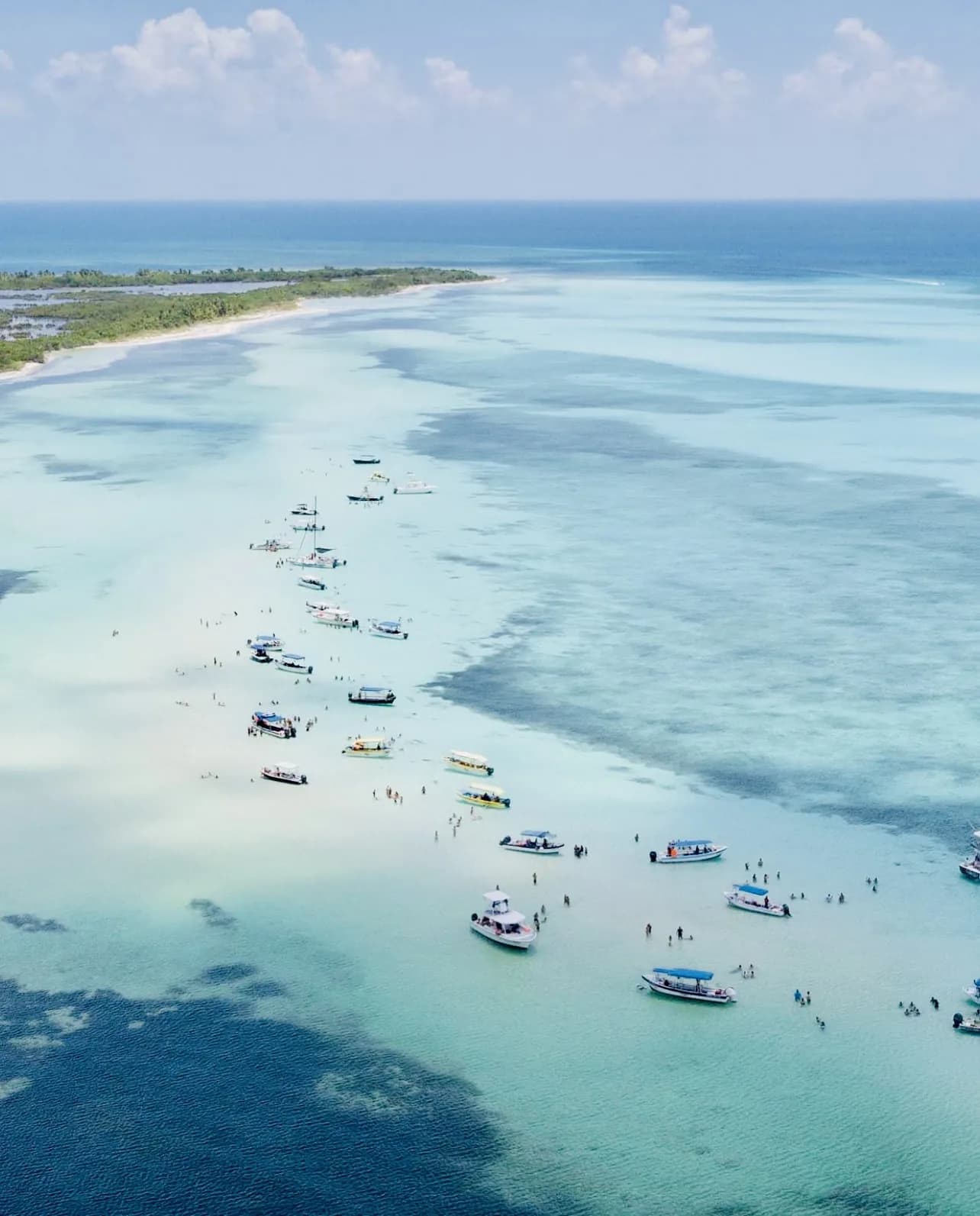
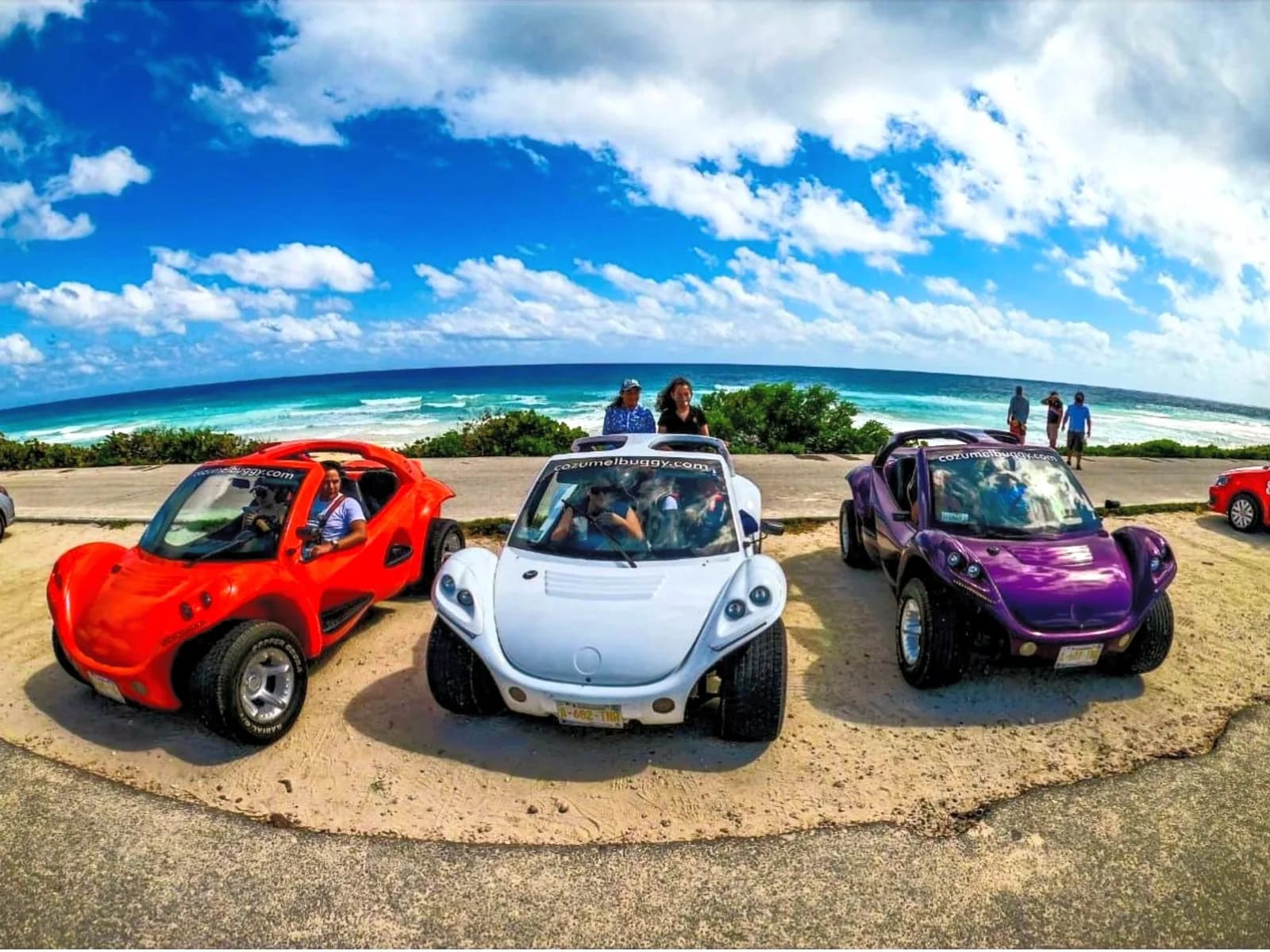
Cozumel is the busiest and the most flexible. The island has three cruise piers — Puerta Maya, the International Pier just south of it, and Punta Langosta right in downtown San Miguel — and Carnival ships most often use Puerta Maya. The reef system offshore is world-class, the east coast is wild and largely undeveloped, and there are Maya sites inland. Snorkeling, beach clubs, jeep loops, catamarans and fishing all operate within an easy port window.
The practical advantage here is redundancy. If the sea is choppy on the exposed east side, the sheltered west side still works. Few ports give you that much fallback.
Costa Maya is a purpose-built cruise port at Mahahual, and it is a different animal. The port complex sits right at the pier with pools, shops and restaurants, and the village of Mahahual is a short ride away with a genuinely lovely beach strip. Excursions run to nearby Maya sites like Chacchoben. It is smaller and quieter than Cozumel, and it is very easy to never leave the port complex — which some passengers love and others regret.
Progreso is the Yucatán mainland, and it is the one that surprises people. Ships dock at the end of a notably long pier and passengers are shuttled in. The beach town itself is modest and unpretentious, but Progreso is the gateway to Mérida, to cenotes and to serious Maya archaeology inland. It is a culture-and-history port, not a beach-lounging port, and the drives are long — worth knowing before you book something ambitious.
The Pacific Side: Ensenada, Cabo, Puerto Vallarta and Mazatlán
Ensenada is the workhorse of short California sailings. It is in Baja, it is a genuine working city with a wine region — the Valle de Guadalupe — a short drive inland, and the famous La Bufadora blowhole nearby. It rarely wows first-timers who expected a tropical beach, but the food and wine day trips are excellent.
Cabo San Lucas is the scenic highlight of the Pacific rotation. El Arco, the rock arch at Land's End, plus sportfishing, sailing and Medano Beach make it an easy port to enjoy. The catch is the arrival, which we will come back to.
Puerto Vallarta offers the most rounded day on that coast: a walkable Malecón, the Zona Romántica, the old town, plus jungle, zipline and Banderas Bay boat excursions. Ships dock at the maritime terminal a little north of the old town, so factor in transport.
Mazatlán is the underrated one. A large, restored historic centre, a long malecón, and a commercial port that puts you a manageable ride from the Golden Zone beaches. It is less polished than Vallarta and more rewarding for anyone who likes a real Mexican city.
Docked or Tendered? Why It Changes Your Day
This is the single most useful distinction across all the carnival ports in mexico, and it barely gets mentioned in cruise brochures.
At a docked port you walk off the gangway onto a pier and you are ashore. Cozumel, Costa Maya, Progreso, Ensenada, Puerto Vallarta and Mazatlán all work this way. Your time ashore is close to the full published window.
At a tendered port the ship anchors offshore and small boats ferry passengers in. Cabo San Lucas is the notable tender port on the Mexican Riviera. Tendering costs you real time at both ends — waiting for a tender ticket, the crossing, and then a return queue that gets long in the last couple of hours. It is also the arrangement most likely to be cancelled outright if the sea is rough.
If you are tendered, two rules follow. Get ashore early rather than waiting out the first rush, and build a much bigger buffer before all-aboard than you think you need.
The same logic applies to a busy pier. In Cozumel on a multi-ship day the walk from the berth, the shops and the taxi queue can eat half an hour before you have gone anywhere. Knowing your berth in advance helps, and our Cozumel cruise port page breaks down each pier and what is realistically within reach from it.
How to Plan a Port Day That Works
A few habits separate the smooth days from the stressful ones, and they apply at every Mexican port Carnival calls at.
Plan backwards from all-aboard, not forwards from breakfast. All-aboard is typically thirty to sixty minutes before departure, and it is a hard deadline. Subtract your return travel, the pier walk and a buffer, and what remains is your real day.
Check the ship's clock against local time. Mexico spans multiple time zones and ship time does not always match shore time. Confirm which one your all-aboard refers to — it is always ship time — and set your phone accordingly.
Book excursions with operators who track the ships. This is the one that actually protects you. An operator who knows your ship's schedule and builds the return around it is a completely different proposition from a taxi driver you flagged down. That is how we run our own trips, and you can read more about Cozumel Cruise Tours if you want to know who you would be going out with.
Bring a passport or the right documentation, plus some cash in pesos. Card acceptance is good at the ports and patchier outside them.
Do not over-schedule. One solid excursion plus unstructured time beats three rushed stops. The best port days people describe to us afterwards are almost never the busiest ones.
Dress for the port you are actually in. Closed shoes for ruins and jungle, reef-safe sunscreen for anything involving water, and a cover-up if a church or a town centre is on the plan. Mexico in the sun is hotter than the ship's air-conditioned promenade suggests, and shade is not guaranteed once you leave the pier area.
Picking the Right Day for Your Port
The short version: the carnival ports in mexico are not interchangeable. Progreso is history and distance. Costa Maya is compact and easy. Ensenada is food and wine. Cabo is scenery with a tender queue attached. Vallarta and Mazatlán are cities worth walking. Cozumel is the one with the most options and the shortest distance between the pier and something genuinely worth doing.
Match the port to what you actually enjoy rather than booking whatever is first on the excursion list, and give yourself an honest buffer at the end of the day.
Of all the carnival ports in mexico, Cozumel is the one we know best, and if it is on your itinerary we would love to show you the island properly. Have a look at what we run at Cozumel cruise tours — every trip is timed around your ship's schedule, so you get a full day ashore without watching the clock.