¡SIN TOUR, SIN CARGO! Empresa Familiar Desde 1996 • 3,000+ Reseñas 5 Estrellas • TripAdvisor 94/100
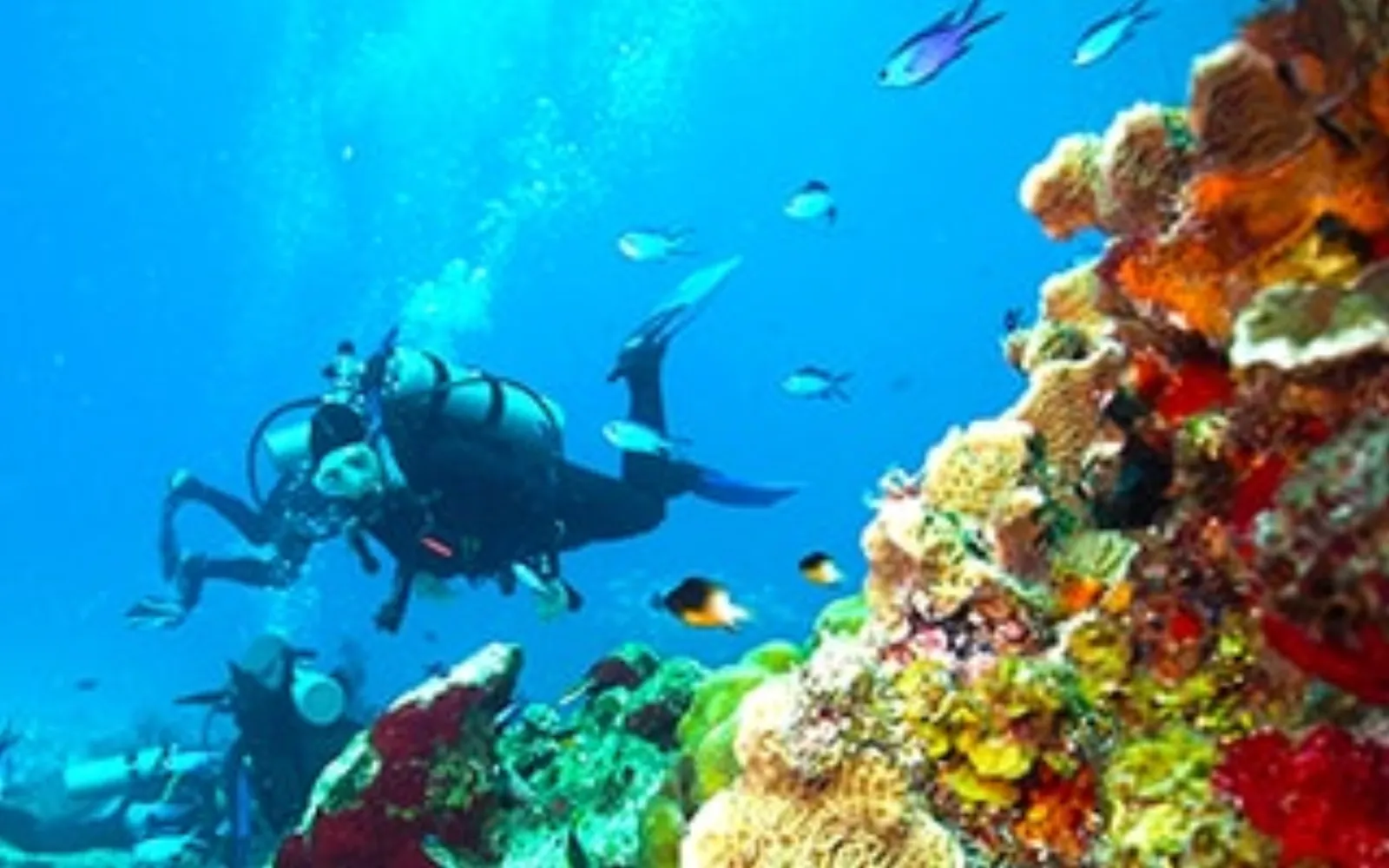
La temporada de huracanes va del 1 de junio al 30 de noviembre, pero eso no significa que Cozumel esté fuera de límites. La mayoría de los días son soleados, cálidos y perfectos para excursiones. Aquí te contamos exactamente qué esperar y cómo planear con tranquilidad.
El término “temporada de huracanes” suena alarmante, pero para la gran mayoría de los pasajeros de crucero que visitan Cozumel entre junio y noviembre, casi no significa nada. La temporada de huracanes del Atlántico es una designación meteorológica que cubre los meses en que las cálidas aguas del Caribe pueden generar sistemas tropicales, no un pronóstico de que los huracanes golpearán Cozumel específicamente.
Piénsalo así: Estados Unidos también tiene temporada de tornados, pero eso no significa que un tornado vaya a caer en tu ciudad cada semana. El Caribe es un océano enorme, y las tormentas que se forman en él siguen trayectorias impredecibles. Cozumel, ubicada en el borde occidental del Caribe a 20°N de latitud, está al sur de los corredores de tormenta más transitados.
En un día típico de temporada de huracanes en Cozumel, te despertarás con sol, temperaturas de 27°C, agua turquesa en calma y una ligera brisa. Quizás haya un breve chubasco por la tarde, 20 o 40 minutos de lluvia tropical, y luego despeja. Esa es la realidad para la gran mayoría de los días de puerto entre junio y noviembre.
La diferencia práctica entre la temporada alta (diciembre–abril) y la temporada de huracanes es menos turistas, tarifas de crucero más bajas y más lugares disponibles en los tours populares. Muchos viajeros experimentados del Caribe reservan deliberadamente en esta ventana para obtener mejores precios y una experiencia más relajada en la isla.
No todos los meses de la temporada de huracanes tienen el mismo riesgo. Aquí te explicamos cómo se ve cada mes para un día de puerto en Cozumel.
Cálido, con aguaceros ocasionales por la tarde. El mar suele estar en calma. Aumenta la humedad.
Caluroso y húmedo. Lluvias breves por la tarde son comunes. Las mañanas casi siempre son soleadas.
Mes pico de formación de tormentas. Más nubosidad. Aun así, la mayoría de los días son soleados.
El mes estadísticamente más activo. La mayoría de las tormentas pasan al norte de Cozumel.
La actividad empieza a disminuir. Agua cálida, menos turistas y precios más bajos.
La temporada termina el 30 de nov. El clima mejora rápidamente. Gran mes para aprovechar precios.
Cozumel ha recibido un golpe directo de huracán solo un puñado de veces en la historia registrada. El más notable fue el huracán Wilma en 2005, una tormenta de categoría 4 que causó daños significativos. En las dos décadas siguientes, la isla ha evitado por completo los impactos directos, lo que demuestra lo poco probable que es un escenario de peor caso en cualquier día de puerto.
La trayectoria dominante de los huracanes del Atlántico los lleva a través del Golfo de México, típicamente al norte de la Península de Yucatán. Cozumel se encuentra a 20°N de latitud, al sur de los corredores de tormenta más comunes. Cuando los sistemas sí se desarrollan cerca, tienden a ser tormentas tropicales en lugar de grandes huracanes.
La meteorología moderna le da a los cruceros entre 5 y 7 días de pronóstico confiable de tormentas. Los capitanes y planificadores de itinerarios conocen los sistemas climáticos en desarrollo mucho antes de que los pasajeros aborden. Si una tormenta amenaza a Cozumel, el barco cambiará de ruta con amplia anticipación. Nunca llegarás a un puerto peligroso.
La infraestructura turística de Cozumel está construida para ser resiliente. Incluso después de eventos climáticos significativos, la isla suele volver a operar al 100% en días o semanas. La economía de la isla depende del turismo, y los negocios locales, la autoridad portuaria y los operadores de tours tienen mucha experiencia en recuperaciones rápidas.
Hay una distinción importante que la mayoría de las guías de viaje pasan por alto: la temporada de lluvias de Cozumel y un huracán real son dos experiencias completamente diferentes. La temporada de lluvias (que coincide en gran medida con la temporada de huracanes) simplemente significa que los chubascos tropicales breves e intensos son más frecuentes. No son aguaceros de todo el día. Una tarde típica de temporada de lluvias en Cozumel se ve así: mañana soleada, un aguacero de 30 minutos alrededor de las 3pm, seguido de cielos despejados y un atardecer espectacular.
Un huracán real, una tormenta que afectaría tu día de puerto, es un evento raro y muy publicitado que se rastrea con días de anticipación. Si un huracán amenazara genuinamente a Cozumel, tu crucero no estaría ahí. El capitán cambiaría el itinerario 48 a 72 horas antes de que la amenaza se materializara. Nunca desembarcarías en medio de un clima peligroso.
La preocupación más realista durante la temporada de huracanes no es la tormenta en sí, sino el oleaje periférico: las tormentas lejanas pueden generar mayor altura de olas en el Caribe aunque no impacten directamente a Cozumel. En esos días, algunos tours acuáticos pueden modificarse o realizarse en zonas de arrecife más tranquilas en lugar del océano abierto. Tu operador de tours (nosotros) comunicará cualquier cambio con total transparencia.
Las líneas de crucero operan sistemas de seguimiento meteorológico sofisticados y trabajan directamente con el Centro Nacional de Huracanes, la NOAA y los servicios climáticos regionales. Cuando se forma un sistema tropical en cualquier parte del Atlántico o el Caribe, los equipos de planificación de itinerarios de cada línea de crucero importante (Carnival, Royal Caribbean, Norwegian, MSC, Celebrity, Disney) comienzan de inmediato a monitorear su trayectoria proyectada.
El capitán de un crucero tiene la autoridad máxima sobre el itinerario del buque y puede cambiar el rumbo en cualquier momento. Esta no es una decisión que espere a que llegue la tormenta. Se toma de forma proactiva, a menudo entre 48 y 72 horas antes de cualquier amenaza. Para cuando un pasajero se entera de un itinerario modificado, el barco ya va camino a un puerto alternativo seguro.
Los puertos alternativos comunes cuando se omite Cozumel incluyen Costa Maya (también en México, con excelentes beach clubs y tours a ruinas), Ruatán (Honduras), Ciudad de Belice, o tiempo adicional en un destino anterior. La mayoría de los pasajeros reportan que los puertos alternativos terminan siendo los puntos destacados del viaje.
Mínimo 48–72 horas
5–7 días confiables
Capitán del barco (autoridad total)
Costa Maya, Belice o Key West
TV en cabina + alertas en la app del barco
Reembolso total | Sin Tour Sin Cobro
Si tu crucero no atraca en Cozumel por cualquier motivo (clima, falla mecánica, cierre del puerto o cualquier otra causa), no nos debes nada. Sin cargos por cancelación, sin cargos de procesamiento, sin cargos de reposición. El reembolso completo se emite automáticamente. Esta garantía aplica a todos los tours que ofrecemos, todos los días del año, incluso durante la temporada de huracanes.
Si tu prioridad es minimizar la incertidumbre relacionada con tormentas, la ventana más segura para un crucero a Cozumel es de diciembre a mayo. Estos meses están completamente fuera de la temporada de huracanes del Atlántico y representan el periodo de mayor turismo en Cozumel, con buena razón. Los cielos son confiablemente despejados, los vientos alisios mantienen temperaturas cómodas de entre 24 y 28°C, y la visibilidad para buceo y snorkel es excepcional, superando frecuentemente los 30 metros.
Dentro de la temporada de huracanes, junio y julio tienen el menor riesgo estadístico, ya que los sistemas tropicales de principio de temporada son menos frecuentes y tienden a ser más débiles. Noviembre también es relativamente tranquilo. Las tormentas de final de temporada son posibles pero raras, y el mes se beneficia de temperaturas más frescas y días espectacularmente despejados a medida que la temporada llega a su fin.
Agosto, septiembre y octubre son estadísticamente los meses más activos en la cuenca del Atlántico. Dicho esto, “más activo” sigue significando que Cozumel recibe un impacto directo de huracán solo una vez cada década o dos. La isla recibió más de 800,000 desembarques de pasajeros de crucero en un reciente mes de septiembre, con la gran mayoría completando días de puerto normales sin incidentes.
Empacar de forma inteligente para la temporada de lluvias significa estar listo para chubascos breves sin sobrecargar tu bolsa. Esto es lo que realmente importa.
La temporada de huracanes no debería impedirte vivir el mejor día de puerto de tu crucero. Explora todos los tours disponibles y reserva sabiendo que tu dinero está protegido. Sin barco, sin cobro.
Garantía SIN TOUR, SIN COBRO | reembolso total si tu barco no atraca