

Snorkeling Cozumel means drift snorkeling: learn how the current, the boat and your guide work together and how to prepare for your first reef tour.
Snorkeling Cozumel is different from snorkeling almost anywhere else in the Caribbean, and the difference has a name: drift. A steady current runs along the island's sheltered west coast, so instead of kicking back and forth over one patch of reef, you float with the water while the boat follows you. Many first-timers do not realise this until they are already in the sea and notice the reef sliding past beneath them. This guide explains why the drift exists, how a drift snorkel is run from start to finish, who it suits, and how to fit one into a cruise day.
Why is snorkeling Cozumel a drift experience?
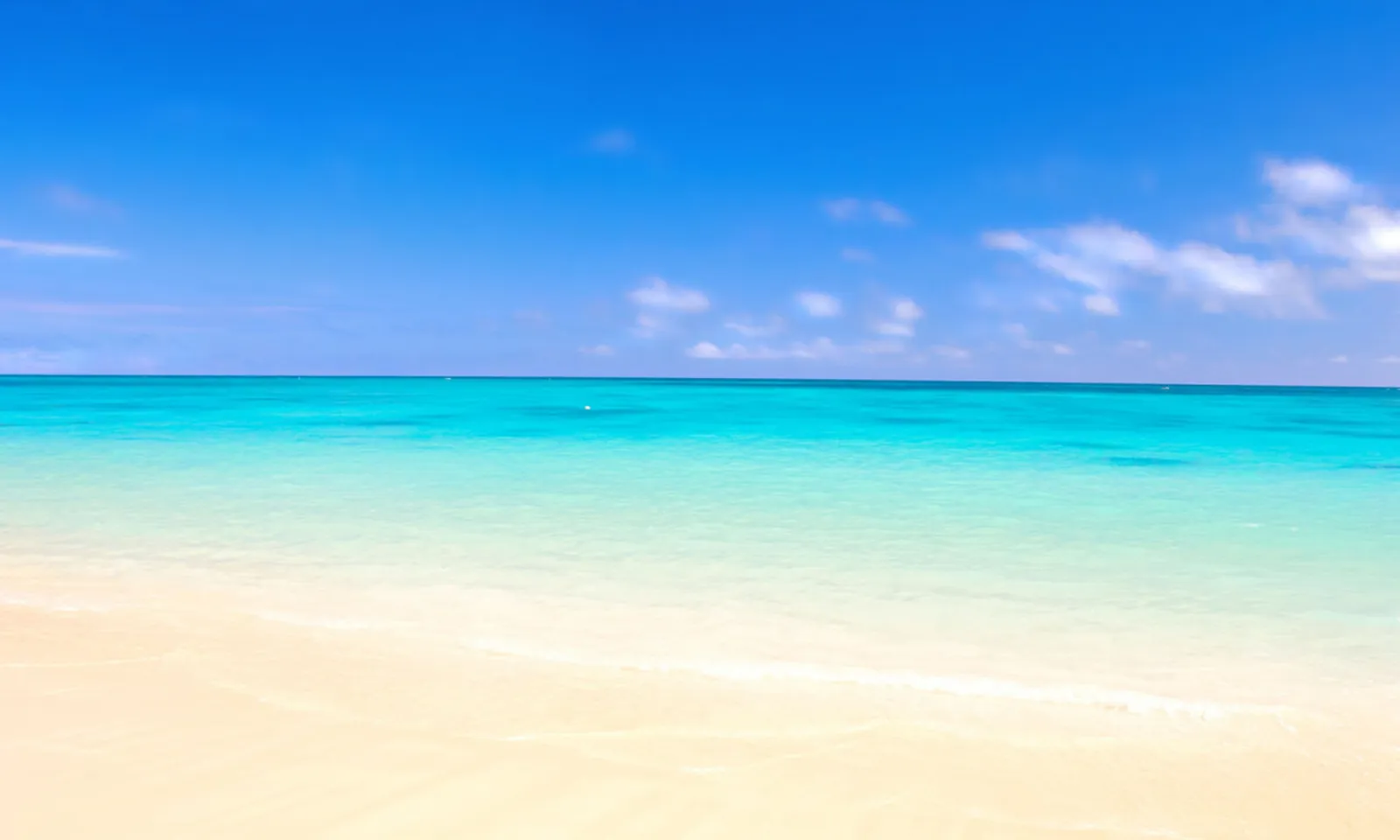
Cozumel sits a few miles off the Yucatán Peninsula, and the channel between the island and the mainland funnels a strong, steady flow of water northward. That flow is the reason Cozumel has some of the clearest water in the Caribbean: the current constantly replaces the water over the reefs, carrying away sediment and bringing in nutrients that feed the corals and the fish.
The same current is why the best reefs are all on the west side. The east coast faces open ocean and takes the full force of wind and waves, so it is mostly rocky and rough. The west coast is the leeward side, protected from the swell, which is where the coral has grown into the walls, canyons and gardens that made the island famous and where the Cozumel Reefs National Marine Park, established in 1996, protects them. These reefs are part of the Mesoamerican Reef system, the second-largest barrier reef in the world.
Put those two facts together and you get drift snorkeling by default. The reefs run in long bands parallel to the shore, the current runs along them, and fighting it would be exhausting. Cozumel's guides learned generations ago to stop fighting and start floating.
How does a drift snorkel actually work, step by step?
A drift snorkel is easier than a normal snorkel once you understand the choreography. Here is how a typical reef stop unfolds on our snorkeling Cozumel reef tour.
- The captain positions the boat up-current of the reef. Before anyone gets wet, the guide gives a briefing: which way the water is moving, where you will exit, and the hand signals for "okay," "look here" and "I want the boat."
- Everyone enters together. You slip in from the stern, find your guide's float or flag on the surface, and settle into a relaxed face-down position. There is no rush; the current does the work.
- You drift along the reef. The guide leads at the front, pointing out spotted eagle rays, schooling snappers and sea turtles as they appear. Your job is to keep the group loosely together and keep your fins off the coral. The reef passes beneath you at walking pace.
- The boat follows. This is the part that surprises people. The captain never anchors. He idles along behind or beside the group, tracking the guide's float, so the boat is always close and always down-current of you.
- You exit down-current. When the guide signals the end of the site, the boat pulls up alongside and you climb the ladder. You have not swum back to anything, because the boat came to you.
- Repeat at the next site. Our tour visits three distinct reef environments, Palancar, Colombia and a shallow reef dotted with sea fans, before finishing at the El Cielo sandbar, where the water is waist-deep and the starfish are the attraction.
The whole rhythm means that a drift snorkel involves less swimming than a shore snorkel, not more. You cover far more reef with far less effort, and you are never the person floundering back toward a distant anchored boat.
Which reefs will you drift over, and what will you see?
Each stop on a Cozumel drift has its own character, and knowing what to look for turns a pleasant float into a memorable one.
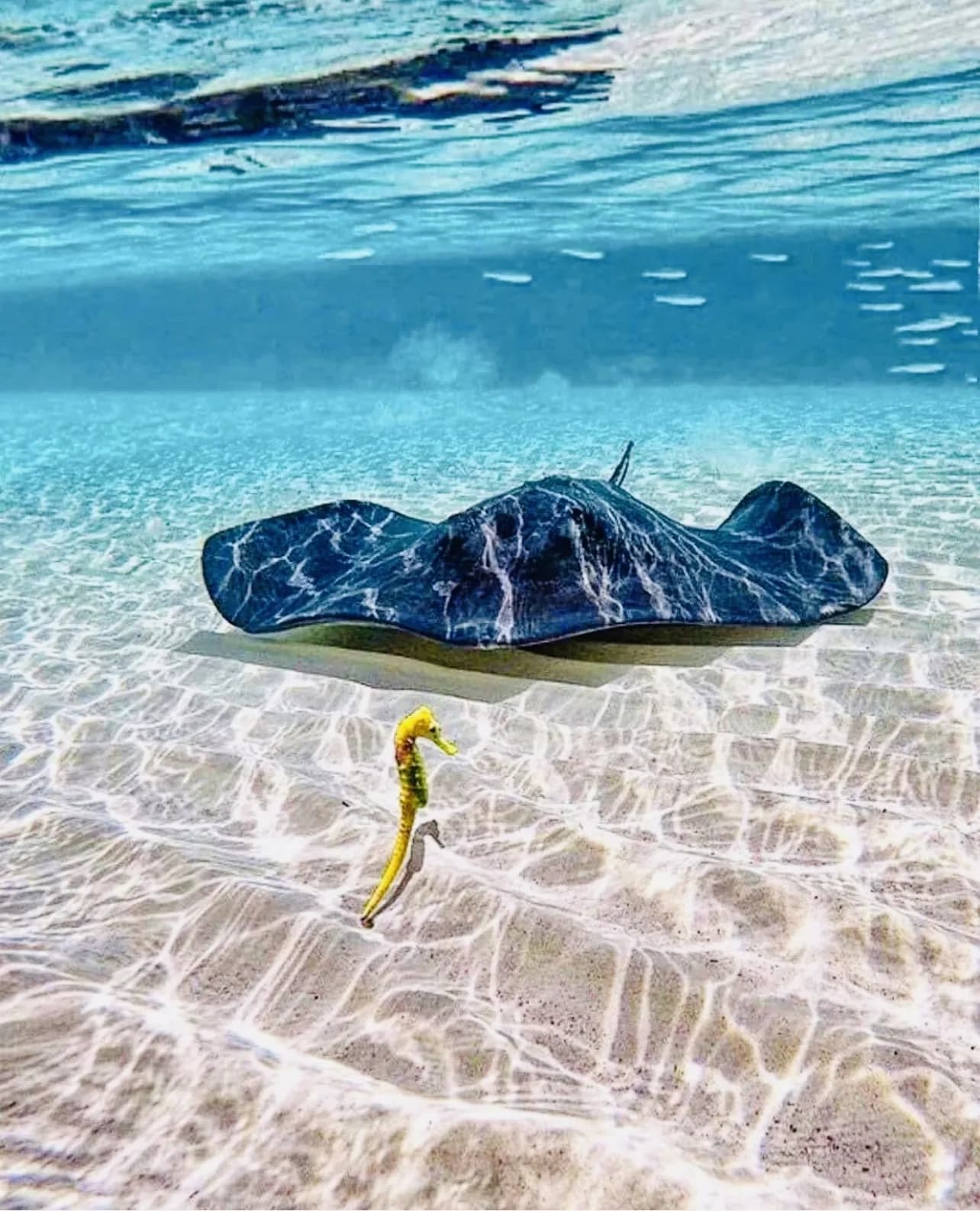
Palancar is the reef that put Cozumel on the map. From the surface you look down into coral canyons and along walls where snappers and groupers gather in the shadows. Keep an eye on the blue water off the edge of the reef; this is where spotted eagle rays glide past, usually alone or in pairs, with a wingspan that makes everyone on the surface point at once.
Colombia is the turtle stop. The reef supports a thriving sea turtle population, and because the drift carries you quietly over them rather than having you swim at them, turtles resting on the coral tend to stay put. Dense schools of jacks flash silver in the open water here, and the guide will often stop the group above a coral head to let a turtle finish its meal.
The sea-fan reef is the shallow surprise between the two famous names. Soft corals sway with the same current that carries you, and the shallower depth means colours are brighter and fish are closer. It is the stop where first-timers usually relax, because the bottom feels near enough to touch even though you never should.
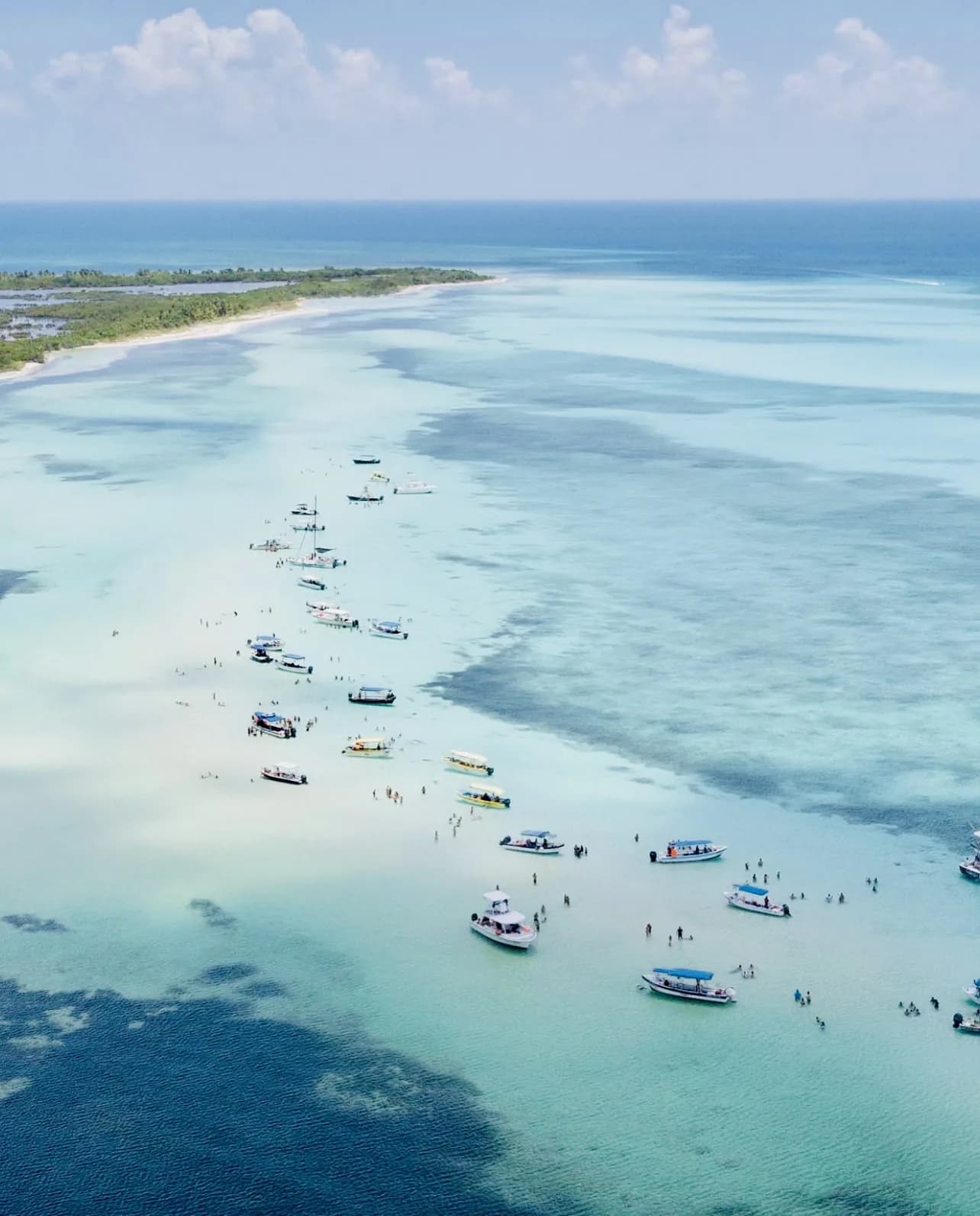
El Cielo is not a reef at all but a sandbar of powdered white sand under waist-deep turquoise water. Its name means "heaven" and the attraction is the starfish scattered across the bottom. This is where the boat serves guacamole, chips, fruit and drinks from the open bar while you stand or float in water so clear it barely looks like water. Do not lift the starfish out of the sea; they are alive, and the marine park protects them.
Between the four stops you will pass through a real cross-section of what snorkeling Cozumel offers: deep coral architecture, turtles and big fish, a shallow garden, and a sandbar to finish. The drift is what makes seeing all of it in one morning possible.
Is drift snorkeling safe for beginners and non-swimmers?
For most people, drift snorkeling is the easiest way to see a reef, precisely because the current carries you. But a few things do matter for nervous or inexperienced snorkelers.
Stay with your group. The only real risk in a drift is separation. If you stop to watch a turtle while everyone else drifts on, you are suddenly fifty metres away. Keep the guide's float in view and let the fish come to you. If you do find yourself apart from the group, do not try to swim back against the current; lift your head, raise one arm and float, and the boat, which is already down-current of you, will come alongside.
Use a flotation vest if you want one. Ask your guide for one before you enter the water. It lets you rest face-down with zero effort, which matters more in a drift than in a calm bay because you cannot simply stand up.
Get comfortable with the mask on the boat, not in the water. Fit the mask, test the snorkel and adjust the fins while you are still standing. Our guides specialise in easing newcomers into the water, offering one-on-one support while you get used to breathing through a snorkel, and the tour's group size is capped at 12 so nobody gets lost in a crowd.
Save El Cielo for confidence. The sandbar at the end of the tour is shallow enough to stand in. If the reef stops felt like a lot, the sandbar is where you relax, float among the starfish and remember why you came.
If you truly cannot swim, tell the guide before booking. Many non-swimmers snorkel happily in Cozumel with a vest and a guide beside them, but the guide needs to know so the group can be arranged around you.
What should you bring, and what should you skip?
Cozumel's marine park is a protected area with rules that every snorkeler is expected to follow, and a good packing list starts there.
Bring:
- Reef-safe, biodegradable sunscreen, applied well before you enter the water so it has time to absorb rather than wash straight onto the coral.
- Polarised sunglasses for the boat ride between sites.
- A towel and your swimsuit worn under your clothes.
- A rash guard or swim shirt. It reduces the amount of sunscreen you need and keeps your back covered while you float.
- A waterproof phone case or small dry bag for the boat.
- Cash for tips. Gratuities are not included and are optional but appreciated.
Skip:
- Fins, masks and snorkels from home, unless you have a mask you love. Full snorkel gear is included.
- Gloves. There is nothing you should be touching on a reef. No touching coral, no standing on the reef, no feeding fish and no collecting shells are the rules of the marine park, and your guide will enforce them.
- Anything heavy. There is room on a small boat, but not much.
One more thing to check before you book anywhere: whether the operator holds a Marine Park permit and includes the park entrance fee. Our tour includes Marine Park entrance authorization and pier and facility fees in the price, so there is no surprise charge at the dock. Combining the reef with the rest of the island is easy too; our roundup of things to do in Cozumel shows what pairs well with a morning on the water.
How do you fit snorkeling Cozumel into a cruise day?
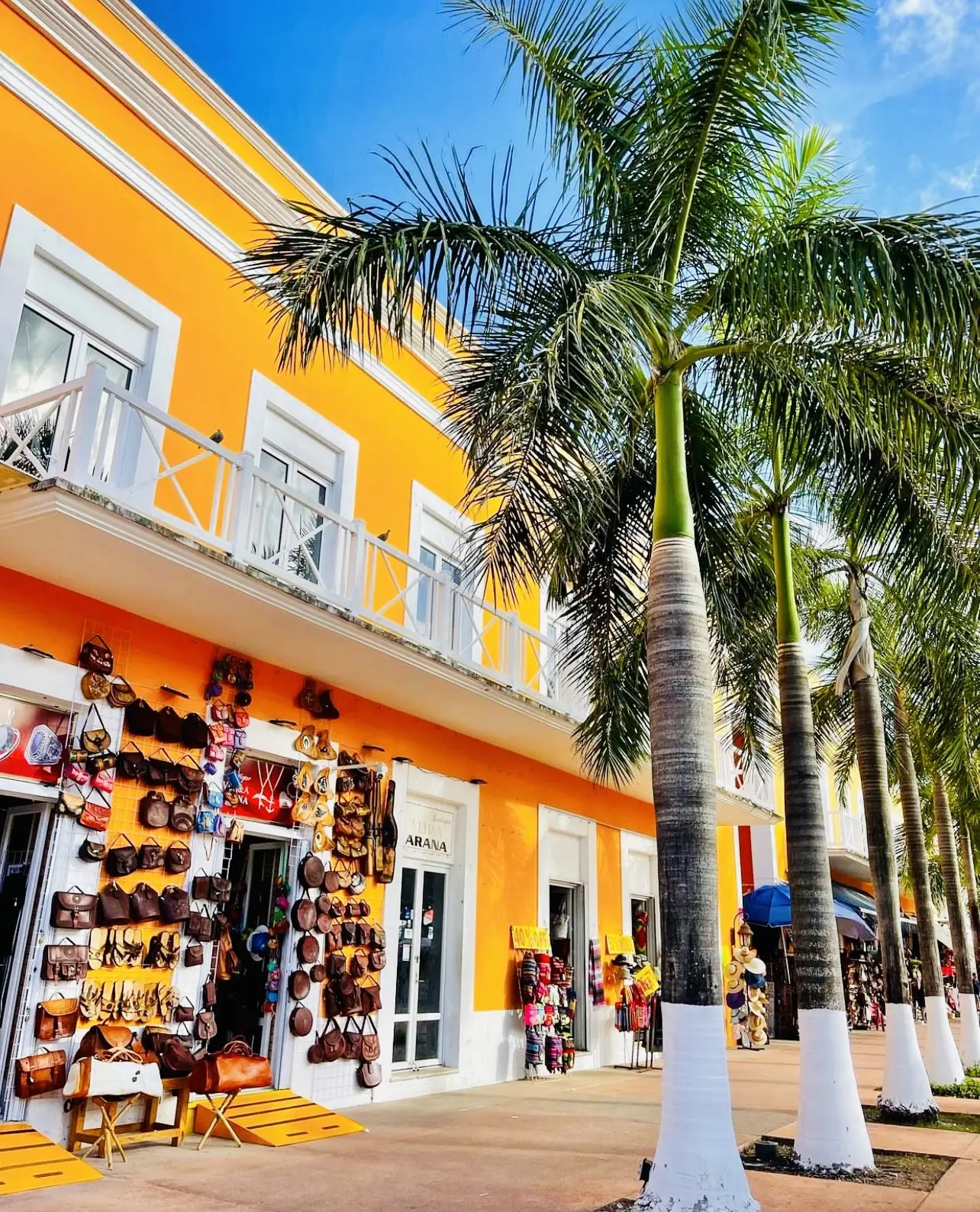
Drift snorkeling is one of the most time-efficient excursions on the island, because the sites are close together and the boat does the moving. Our reef tour runs four to four-and-a-half hours from pickup to return, with departures at 9:30 AM, 10:30 AM and 1:30 PM, so it fits inside almost any port window and still leaves time to walk the downtown shops or grab lunch near the pier.
Pickup is complimentary from all three cruise piers, from the ferry dock and from island resorts. Groups of eight or more are automatically moved to their own private boat at no extra charge. Pricing is $50 per adult and $40 per child, with a $18 per person deposit and the balance due on tour day. If you do not take the tour, our NO TOUR, NO FEE policy refunds the deposit in full.
Snorkeling Cozumel is not about how far you can swim. It is about letting the water carry you along a reef that has been growing for thousands of years while a guide points out what you would otherwise miss. Once you have felt the drift, an anchored snorkel anywhere else will feel like work.
When you are ready, browse tours to compare the reef trip with our jeep, ATV and beach options, or start at Cozumel cruise tours to plan the whole port day. Our family has been running these boats since 1996, and we are happy to talk you through the current before you ever step aboard.