¡SIN TOUR, SIN CARGO! Empresa Familiar Desde 1996 • 3,000+ Reseñas 5 Estrellas • TripAdvisor 94/100
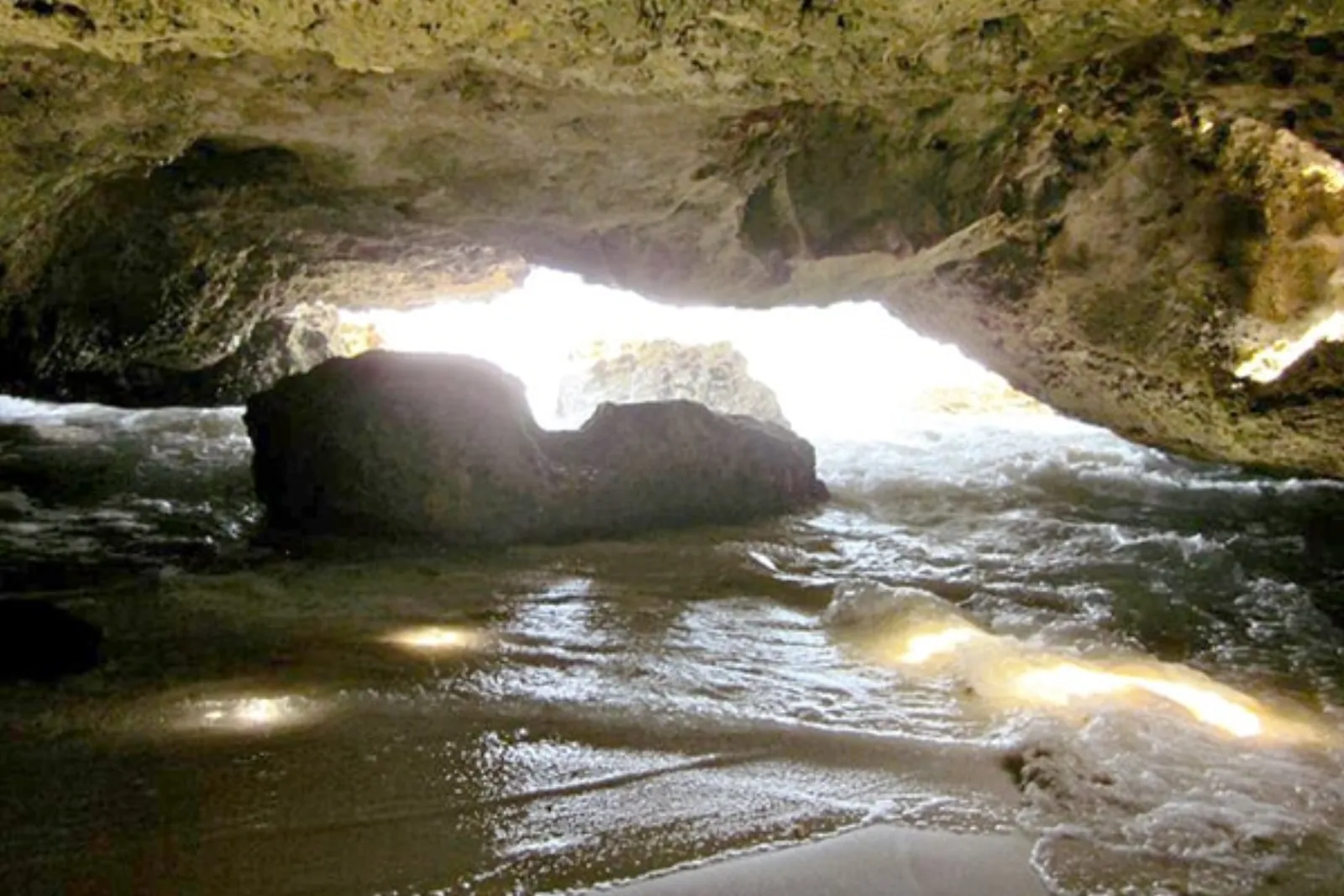
Siete millas de costa caribeña intacta sin urbanización, sin electricidad y sin multitudes. Sopladores, cuevas escondidas, playas desiertas y la sensación de retroceder en el tiempo.
La costa este de Cozumel, conocida localmente como “el otro lado”, es una franja de costa caribeña virgen que ha permanecido casi completamente sin desarrollar. Mientras que la orilla occidental (frente al continente) alberga los muelles de cruceros, los resorts y las tiendas de buceo, la orilla oriental da al mar abierto y no tiene electricidad, ni estructuras permanentes, ni casi ninguna huella humana más allá de una sola carretera costera.
El contraste es impresionante. A tan solo 20 minutos de salir del área del muelle de cruceros, cruzas la estrecha isla y llegas a un paisaje que no se parece en nada al Cozumel que fotografía la mayoría de los turistas. Acantilados de piedra caliza se encuentran con el mar. Los sopladores lanzan columnas de agua a 15 pies de altura cuando el oleaje es fuerte. Cuevas de agua esculpidas por siglos de acción de las olas se abren en la pared rocosa. Y largas franjas de playa de arena blanca permanecen completamente vacías.
Para muchos visitantes, la costa este es la parte más memorable de su día en Cozumel. Se siente como retroceder en el tiempo, antes del desarrollo, antes de los cruceros, cuando la isla no era más que selva, piedra caliza y océano. Es el tipo de lugar que te hace guardar el teléfono y simplemente mirar.
Géiseres naturales donde las olas se fuerzan a través de canales subterráneos en la piedra caliza y estallan hacia el cielo. Más espectaculares en días con oleaje moderado a fuerte.
Cavernas esculpidas por las olas en la roca costera. Algunas son visibles desde la carretera; otras requieren caminatas cortas por la orilla rocosa. Cada una es diferente.
Largas franjas de arena blanca sin nadie en ellas. No aptas para nadar en la mayoría de los puntos por las corrientes fuertes y el fondo rocoso, pero de una belleza impresionante.
Un dramático mirador rocoso en la carretera de la costa este. Un arco natural de roca enmarca el océano. Uno de los mejores puntos fotográficos de toda la isla.
En el extremo sur donde la costa este se encuentra con Punta Sur. Sube para disfrutar de vistas panorámicas de siete millas de ambos lados de la isla: el salvaje y el desarrollado.
Entre mayo y octubre, las tortugas marinas anidan en las playas de la costa este. Ver las huellas al amanecer o a las crías dirigiéndose al agua es algo inolvidable.
La mejor manera de recorrer la costa este es en un tour en Jeep o buggy. Estos siguen una ruta en bucle que cruza la isla por el interior selvático, baja al sur por toda la carretera de la costa este y regresa por la carretera de la costa occidental. A lo largo del camino, la mayoría de los tours incluyen paradas en los sopladores, el mirador El Mirador, un bar de playa (una de las pocas estructuras que hay por allá) y a menudo el cenote Jade Cavern y una cata de tequila.
Técnicamente podrías rentar un auto y conducir por la carretera de la costa este tú mismo, pero un tour guiado agrega contexto. Los guías saben qué sopladores están más activos en un día determinado, dónde detenerse de forma segura en la estrecha carretera y la historia detrás del paisaje. La carretera de la costa este está pavimentada, pero no tiene servicios, ni gasolineras, ni casi señal de celular.
La costa este es hermosa, pero exige respeto. El lado de la isla que da al mar abierto tiene corrientes y oleaje fuertes que la costa oeste protegida no tiene.
Permanece en los senderos señalizados y miradores. La piedra caliza a lo largo de la costa es filosa y desigual.
No nades en la costa este a menos que sea en una playa específicamente designada como segura. La resaca y las corrientes son peligrosas.
Observa los sopladores desde una distancia segura. Son impredecibles y el chorro de agua puede tumbarte.
No entres a las cuevas de agua sin tu guía. Las oleadas dentro de las cuevas pueden ser repentinas y poderosas.
Lleva agua y protector solar. Casi no hay servicios en la carretera de la costa este.
No te separes del grupo ni te alejes de tu vehículo en los caminos de terracería del interior.
Nuestros tours en Jeep y buggy recorren toda la costa este con paradas en los sopladores, El Mirador, las playas y el interior selvático. Grupos pequeños, guías con licencia y la garantía SIN TOUR, SIN COBRO.
Reembolso completo si tu barco no atraca
Guías Relacionadas