

Snorkeling Cozumel is easy on the reefs and hard on the body if you ignore ears, seasickness, sun, and stings, so here is the practical guide.
Most guides to snorkeling Cozumel talk about the reefs: Palancar's coral canyons, the turtles at Colombia, the starfish at El Cielo. This one is about the body you bring to them. The things that actually cut a reef day short are not the fish. They are a blocked ear, a queasy stomach on the ride out, a sunburn on the backs of the legs, and the itchy mystery rash that shows up that evening.
All four are preventable with a little knowledge, and the crew on our Cozumel cruise tours boats deal with them every week. Here is what we tell guests before they jump in.
Do your ears need to equalize when snorkeling Cozumel?
If you float on the surface and breathe through the tube, no. The pressure on your eardrums at the surface is the same as on the boat. Most of a reef snorkel in Cozumel happens exactly like that: face down, fins slowly kicking, drifting with the current over coral a few yards below.
The moment you duck-dive to get closer to a turtle, the answer changes. Even a few feet of depth puts noticeable pressure on the eardrum, and the fix is the same one divers use: pinch your nose and gently blow against it before you feel pain, not after. Do it early and often on the way down. If an ear will not clear, come back up, because forcing it is how people end up with a ruptured eardrum on a vacation day.
Congestion is the real enemy here. A head cold, allergies, or a lingering sinus infection means the tubes that let your ears equalize are swollen shut. Surface snorkeling is still fine; diving down is not. Decongestants are a question for your pharmacist rather than a tip from a stranger, especially for anyone with blood pressure concerns.
The other ear problem is the one that shows up after the water: swimmer's ear, an infection of the outer canal from water that stays trapped. Tilt your head and tug the earlobe to drain each side after the last swim, dry gently with a towel, and leave cotton swabs out of it. Vented swimming earplugs can help people prone to it; solid plugs block equalization and are a bad idea for anyone who plans to dive down. Kids with ear tubes should get the go-ahead from their pediatrician before any water day.
How do you avoid seasickness on a Cozumel snorkel boat?
Cozumel's reefs sit on the leeward west side of the island, which is why the water is so calm most days. The boat rides are short, often just minutes between reefs, and on a drift snorkel you spend far more time in the water than on deck. That already removes most of the risk. The remaining cases almost all come from three habits: boarding on an empty stomach, staring at a phone screen while the boat moves, and sitting low in the stern.
Eat a light breakfast before you board. Sit mid-boat where the motion is smallest, face forward, and watch the horizon rather than the deck. If you use motion-sickness medication, take it before you leave the ship, since it does nothing once the nausea has started, and ask your pharmacist about drowsiness, because some options will have you napping on the sandbar. Ginger, in whatever form you tolerate, helps many people.
If it hits anyway, tell the guide and get in the water as soon as the boat stops. The nausea often eases once you are floating and your inner ear and your eyes agree again. On days after a strong north wind the sea can be lumpier than usual; the crew adjusts reef choices for conditions, and that is one more reason the tour has a marine naturalist aboard rather than just a driver.
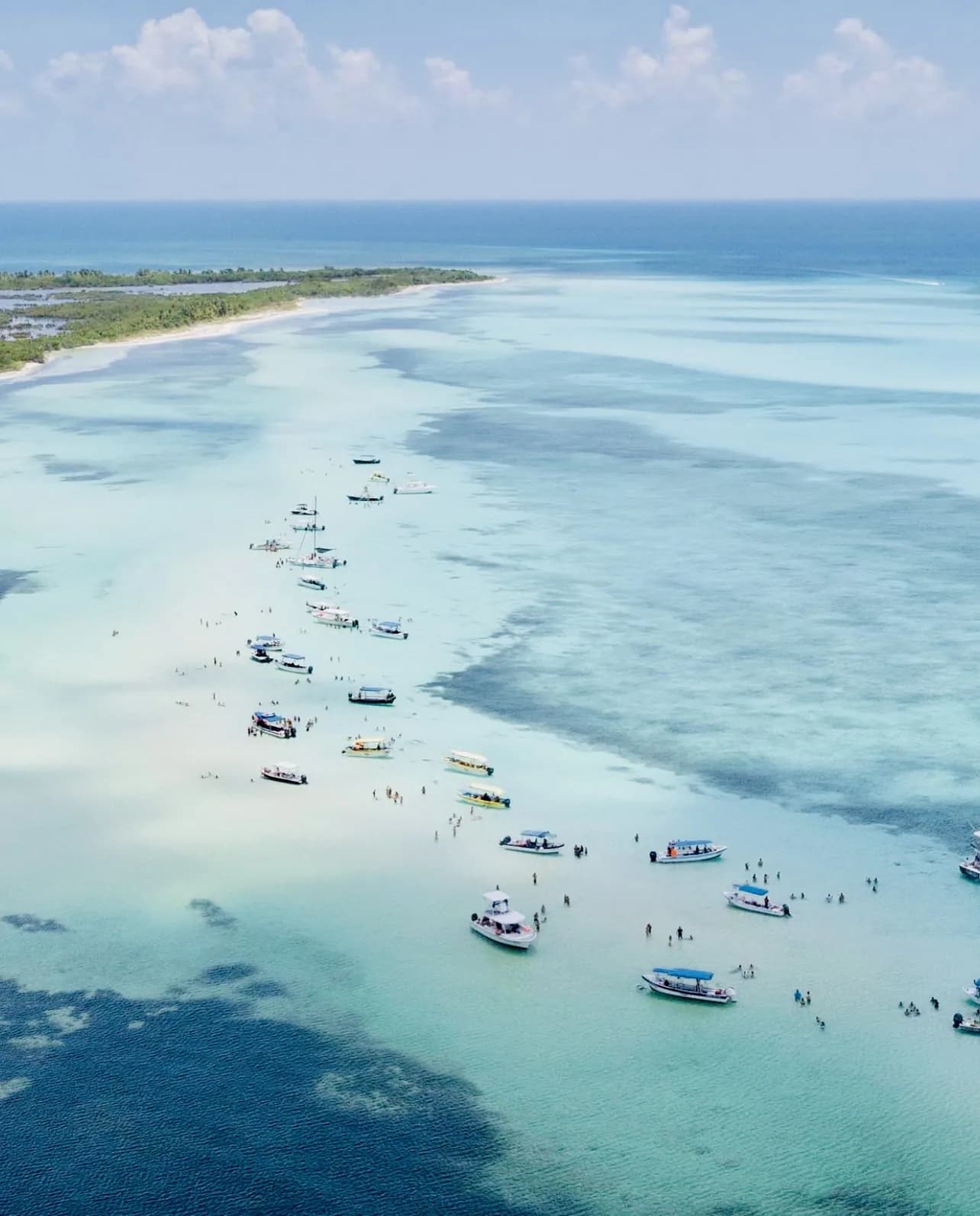
The open bar on our reef tour is waiting at El Cielo at the end, and that order is deliberate. Alcohol before the first reef is the fastest route to seasickness and the slowest route to enjoying the fish.
The sunburn you get floating face-down
Snorkelers burn in a specific pattern that beach-goers never see: the backs of the calves and thighs, the back of the neck, the ears, the shoulders, and the backs of the hands. Everything that faces the sky while your face is in the water. The water keeps you cool, so you never feel the burn forming, and an hour over Palancar is plenty.
Clothing beats lotion for the reef and for the reef's sake. A long-sleeved rash guard and swim leggings cover the exact areas that burn and shed no chemicals into the water. For skin you cannot cover, use reef-safe biodegradable sunscreen, which the snorkeling Cozumel reef tour lists in its what-to-bring section alongside a towel and polarized sunglasses. Apply it well before boarding so it has bonded to the skin, then reapply after the first reef, not just at the sandbar.
On the boat, a hat and sunglasses do real work between reefs. Polarized lenses also let you see the rays and turtles from the deck before you get in. Drink water the whole way through; the sun, the salt, and the exertion of finning pull more fluid out of you than you notice until the ride home.
Heat is the quieter cousin of sunburn. A snorkeler who skipped breakfast, drank little, and spent two reefs finning against a mild current can come up the ladder lightheaded, which the guide will read long before the guest admits it. Sit in the shade on the boat between reefs, eat the fruit when it comes around, and treat a headache on the way to the sandbar as a signal to drink water first and anything else second. A sunburn fades in a week, but a bad case of heat exhaustion can end the port day before the sandbar.
What stings in Cozumel waters and what to do about it
The Cozumel Reefs National Marine Park has a simple rule that doubles as a safety rule: hands off everything. Most stings and cuts happen to people who touched something.
- Fire coral looks like a tan or mustard-colored coral with a pale edge. Brushing it leaves a burning rash. Keep your fins away from the reef and your hands at your sides, and it will never touch you.
- Sea urchins live in rocky shallows and under ledges. Their spines are the reason for a boat entry rather than a scramble over rocks, and the reason to keep fins on at any rocky shore stop.
- Thimble jellyfish larvae, often called sea lice, drift through in the warmer months and cause an itchy rash under swimsuits where they get trapped, usually hours later. Rinse in fresh water, change out of the suit promptly, and wash it before wearing it again. The rash is annoying rather than dangerous for most people.
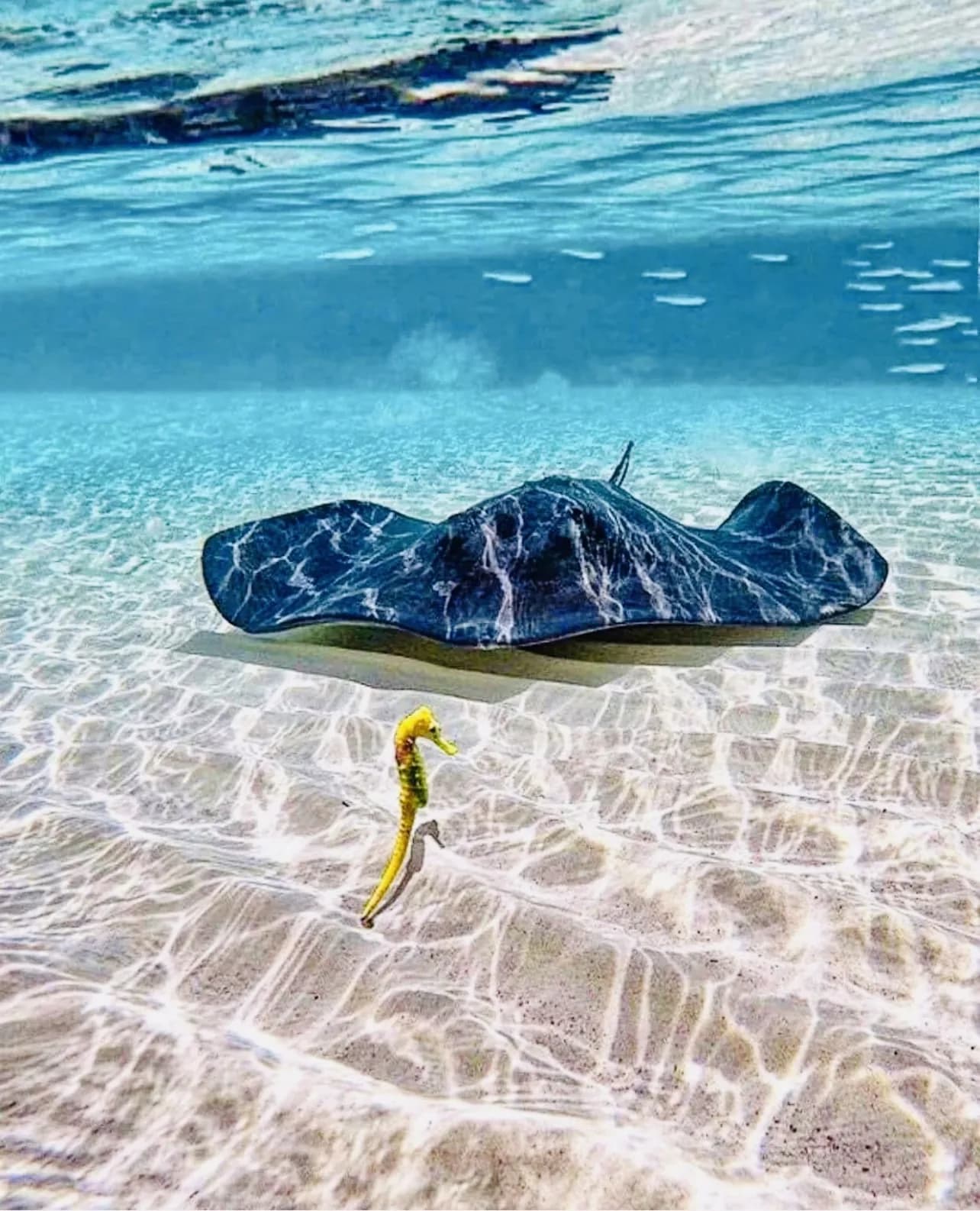
- Stingrays rest under the sand in shallow areas like El Cielo. Shuffle your feet rather than stepping when you wade, and they move away before you reach them.
- Lionfish are beautiful, invasive, and venomous. Look, photograph, never touch.
If anything stings, tell the guide immediately rather than waiting to see if it gets worse. Every boat carries a marine-certified first aid kit, and the crew knows the difference between a fire coral scrape that needs a rinse and a reaction that needs the boat turned toward shore. Hot water, as hot as you can comfortably stand, eases most venom stings while you get back to the pier.
Who should check with a doctor before snorkeling?
Snorkeling is gentle, and the tour accommodates non-swimmers and children with life jackets always available, but a few conditions deserve a conversation with your own doctor first. Recent ear surgery or ear tubes, a sinus infection in the last couple of weeks, poorly controlled asthma, a heart condition that limits exertion, and seizure disorders are the common ones. Pregnancy is generally compatible with surface snorkeling but worth a mention to your provider. Anxiety in open water is real and manageable: tell the guide, stay close to the boat, and treat the first reef as a practice swim.
None of this means staying on the ship. It means arriving with the right information and letting the crew tailor the day. Our marine naturalists coach first-timers individually until they are comfortable, and a guest who speaks up gets a better day than one who suffers quietly.
Two smaller issues are worth a sentence each. Leg cramps happen when people fin hard in new rubber fins without warming up; stretch the calves on the boat, kick slowly from the hips, and if a cramp hits, float on your back and pull the toes toward you until it releases.
Cold is real even in the Caribbean. After forty minutes in the water with a light breeze on deck, a thin person can shiver on a sunny day. A dry towel and a rash guard that you can swap for a dry one between reefs solve it.
Finally, know your own limits around the current. Drift snorkeling means the boat follows you, so you never need to fight the water, but it also means that stopping to tread water in one place takes effort. If you tire, signal the guide, hang on the float, and let the boat come to you. That is what the small group size is for.
Pack for the body, not just the reef: rash guard, reef-safe sunscreen, polarized sunglasses, a hat for the boat, a dry towel, fresh water, and any medication you may need taken before you board. Then add the rest of your day from our list of things to do in Cozumel, since a morning snorkel pairs easily with an afternoon ashore when your ears, stomach, and skin are all still happy. When you are ready to choose a date and a departure time, browse tours and book the reef trip that fits your ship's schedule. Snorkeling Cozumel rewards the prepared, and the preparation takes about ten minutes.