

Before you book a cozumel tour, a short list of permits and licenses separates a legitimate operator from a pier flyer, and every one is checkable.
Almost every guide to booking a cozumel tour tells you to use a reputable operator and then leaves you to work out what that means. It is not a matter of instinct. Running tours here legally requires specific paperwork from specific authorities, and most of it can be confirmed before you hand over a deposit. Knowing which documents exist is the difference between hoping you picked well and knowing you did.
This is worth five minutes because the consequences are not abstract. Permits determine which reefs a boat is allowed to enter. Vessel licensing determines whether anyone inspects the boat you are standing on. Guide certification determines who is with you when something goes wrong two miles offshore.
What a Licensed Cozumel Tour Actually Has Behind It
Three separate authorities matter on this island, and they cover different things.
The Mexican Coast Guard governs vessels and their operation — licensing, crew requirements and safety equipment on anything that leaves the dock. The Cozumel Reefs National Marine Park, a federal protected area covering the reef system off the island's southwestern shore, controls who may take visitors into the water inside its boundaries. Municipal and state tourism licensing covers the business itself and its land vehicles.
Our published Cozumel tour safety standards set out which of these we hold and what each requires of us. The short version is that every tour we operate meets standards set by the Mexican Coast Guard and the Marine Park, and the specifics below are what those standards look like in practice rather than in principle.
An operator who cannot name the authorities relevant to the tour they are selling you is telling you something useful. The question is not whether a company seems friendly — it is whether it can say who regulates it.
Marine Park Permits Decide Which Reefs You Can Visit
This is the one most visitors have never heard of, and it shapes the tour you actually get.
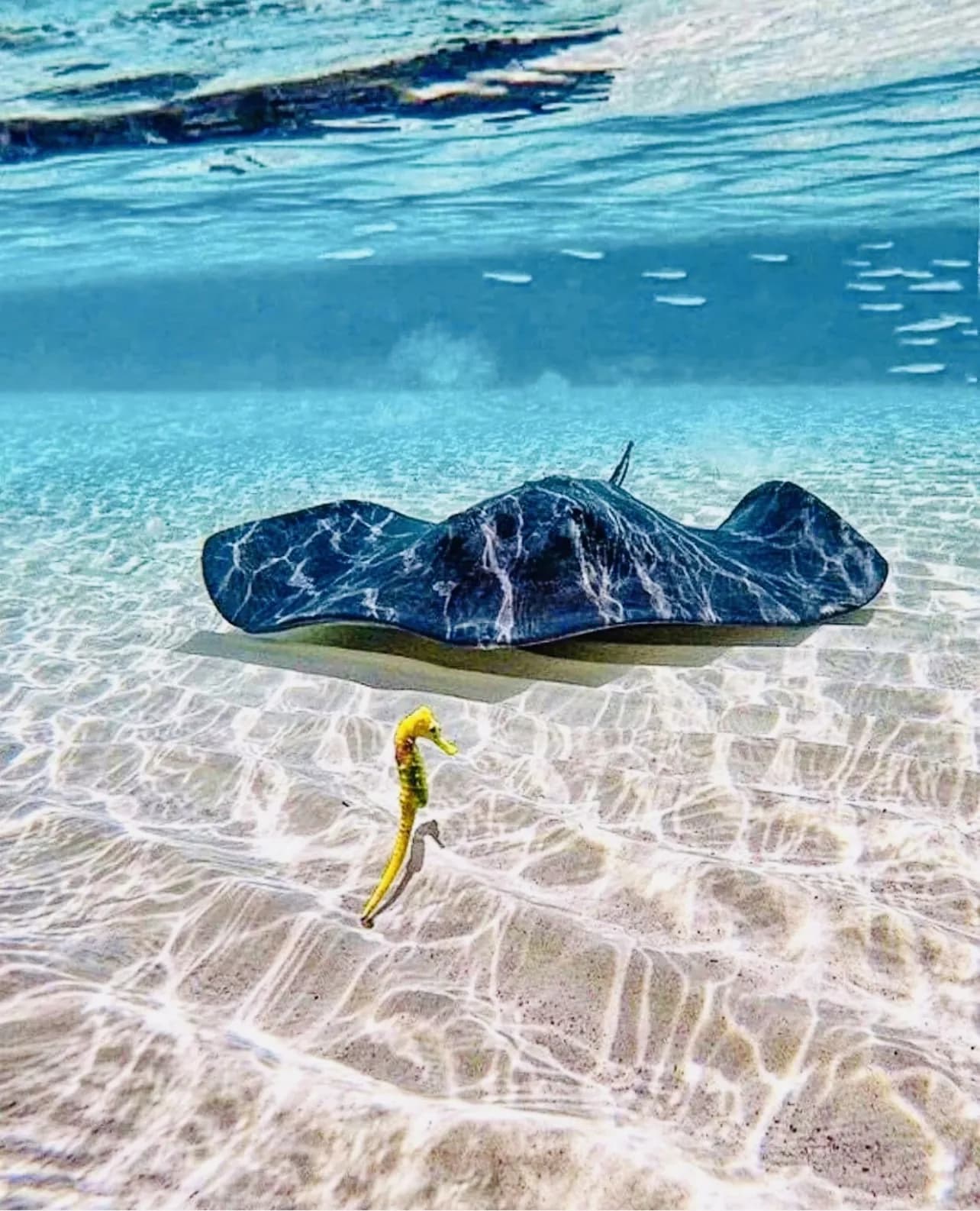
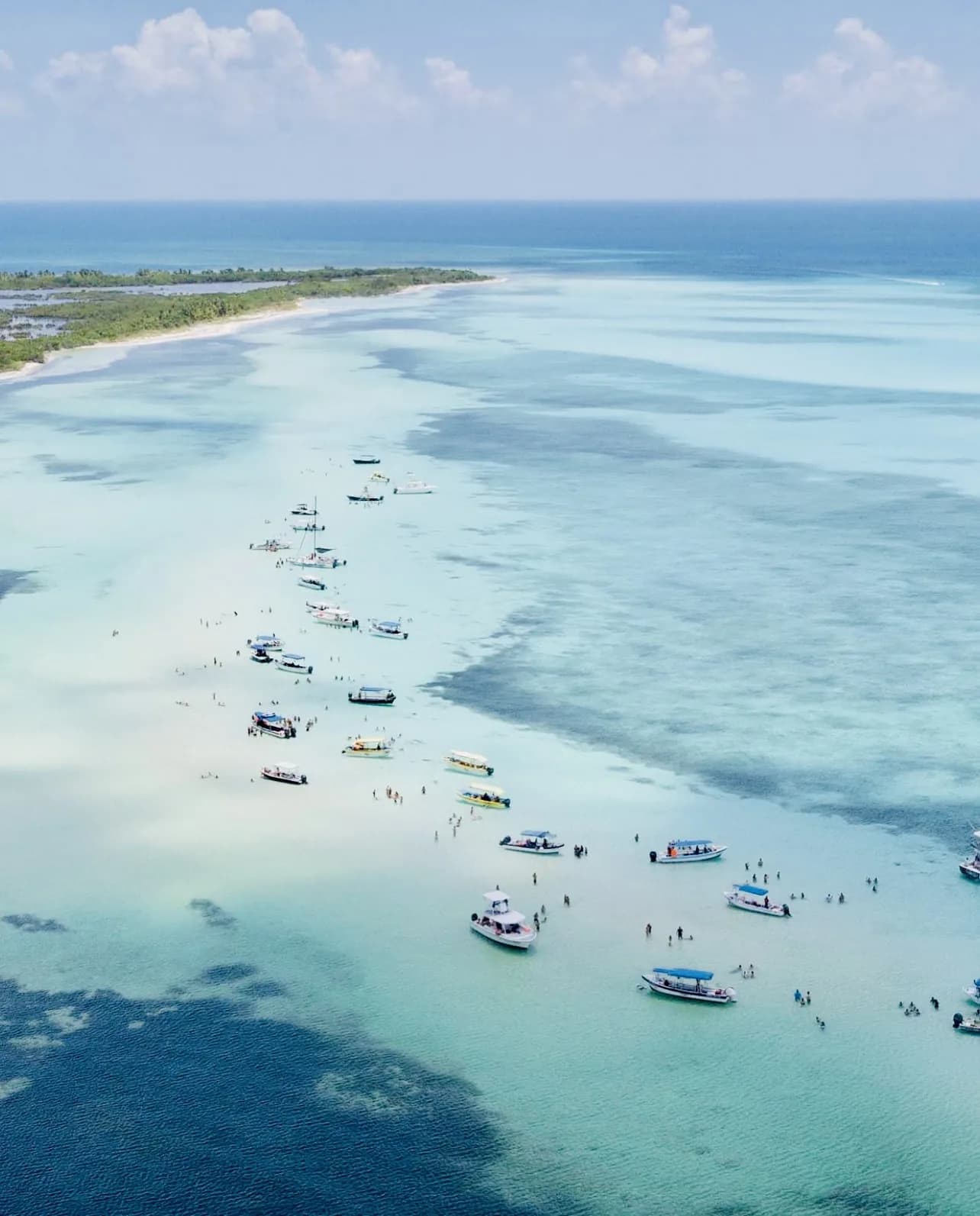
The reefs Cozumel is famous for — Palancar, Colombia and the El Cielo sandbar among them — sit inside the national marine park. Entering them with paying guests requires operator authorization, and that authorization is not universal. We are an officially licensed partner with Cozumel and the Marine Park, and one of a limited number of operators holding the permits required to run snorkeling expeditions at Palancar, Colombia and El Cielo. Many operators do not hold them.
The practical consequence is that two tours advertised in similar language can visit entirely different water. A boat without reef permits goes where it is allowed to go, which usually means shallower, closer, busier sites near the piers. Nothing about that is dangerous; it is simply not what the photographs in the advertisement showed.
There is a billing consequence too. Marine park entrance authorization and pier or facility fees are real costs, and how they are handled tells you something. On our reef snorkeling tour with Marine Park permits, those fees are inside the $50 per person price alongside gear, guides and pier pickup, with a maximum of 12 guests per boat. Where fees are collected separately in cash at the dock, ask what they are for and who receives them before you pay.
Conservation rules travel with the permit. Biodegradable sunscreen, no touching or standing on coral, no removing anything from the water and no feeding fish are conditions of operating inside the park, not operator preferences. A guide who briefs you on those rules is a guide who expects to keep their permit.
Vessel and Vehicle Licensing, Plus the Inspection Nobody Sees
Coast Guard licensing is the baseline for anything that floats. Every boat in our fleet holds a valid operating license and undergoes mandatory annual safety inspection. That annual inspection is the visible part of the system.
The part nobody sees is daily. Tanks, buoyancy devices, regulators and masks on the marine side, and brakes and controls on jeeps and ATVs on the land side, are checked before the first tour of the day, every day. A once-a-year inspection certificate proves a vessel was sound in a single moment; a daily inspection habit is what keeps it sound in between. Ask which one an operator does.
Safety equipment has a documentation trail as well. Life jackets in adult, child and infant sizes, fit-checked with wearing instructions given before every water departure, are not optional extras. VHF channel 16 radios and backup communication devices on every vessel are what allow a crew to reach the port authority and summon assistance rather than wave at passing boats. Marine-certified first aid kits, with crew trained in wound care and basic life support, cover the gap between an incident and professional help.
Group size belongs in the same conversation, because it is a safety variable rather than a comfort one. A guide can hold direct line of sight on a small group in open water. On a boat carrying thirty or forty snorkelers, nobody can.
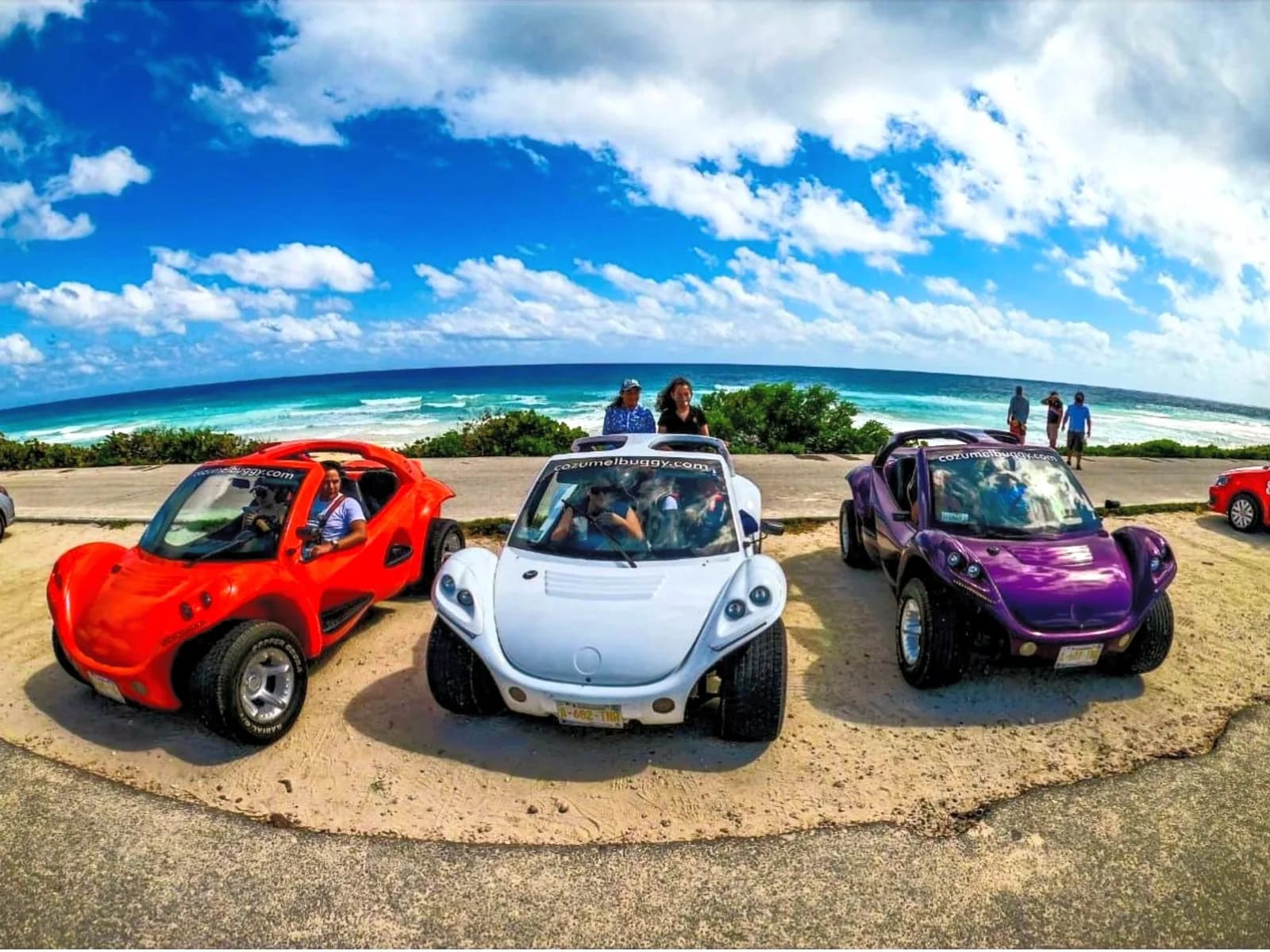
Land tours carry their own paperwork, and it is easy to forget that a jeep or an ATV is a licensed commercial vehicle rather than a rental toy. Seatbelts, current mechanical inspection, and an operator insured to carry paying passengers are the equivalents of Coast Guard licensing on the water. The question to ask about any vehicle tour is who inspected it and when, because an ATV convoy on an unpaved jungle track is a setting where brakes matter considerably more than the photographs suggest.
Guide Certification, Language and Emergency Training
Credentials at the company level mean less if the person actually leading your day is a seasonal subcontractor hired last week.
Our own requirements are specific. Every guide holds professional certification in their specialty — dive, snorkel, ATV or eco-tour — with a minimum of five years of active guiding experience, fluent English and Spanish, annual safety and emergency-response refresher training, background checks and local vetting, plus working knowledge of Cozumel's water and terrain conditions. Six guides carry more than eighty years of combined experience between them, and the people on our certified local guides page live on this island rather than commuting to it for high season.
Language fluency is the credential travelers most often overlook and most often need. Emergency instructions delivered in a language half the boat does not follow are not instructions at all. Judgment is the quieter half of the same job — a guide who can read the day's conditions and say plainly that a particular site is not workable this morning is worth more than one who runs the advertised itinerary regardless.
Two questions cut through most of this quickly. How long has the guide leading this tour worked for you? And what certification do they hold for this specific activity?
How to Ask Without Feeling Awkward
None of these questions need to sound like an interrogation, and a legitimate operator will not treat them as one. Anyone who has held permits for years is generally pleased to be asked, because the paperwork is the part that distinguishes them from whoever is handing out flyers at the pier.
Phrase it as planning rather than suspicion. Do you hold Marine Park permits for the reefs on this itinerary? Are marine park and pier fees included in the price, or collected separately? Is the vessel Coast Guard licensed, and how often is equipment inspected? What certification does our guide hold, and how many guests are on the boat? Is there a written cancellation policy if our ship does not dock? A company that answers all five in a sentence each has answered the bigger question as well.
One caution worth stating plainly. Pier-side booking removes your ability to check any of this. Deciding on the dock means taking a stranger's word for permits, licensing and insurance with your ship's departure time as the deadline. Booking in advance with a company whose credentials are published costs nothing extra and gives you something to verify.
Picking a cozumel tour on documentation rather than on sales pressure is the most reliable filter available to a cruise passenger, and it takes one short conversation. Our family has operated here since 1996, and the permits, licenses and guide certifications behind every trip in the Cozumel Cruise Tours excursion lineup are written down and available to ask about rather than implied. Put the five questions above to us before you book — we would rather answer them than have you guess.