

Discover Cozumel's hidden cenotes — underground swimming holes, cave snorkeling, and jade-colored caverns. Complete guide for cruise visitors with tour options.
Cozumel Cenotes: Underground Swimming, Snorkeling, and Cave Adventures
Most visitors to Cozumel head straight for the ocean. The turquoise Caribbean gets all the attention, and rightfully so — the Mesoamerican Reef running along the island's western coast is the second-largest barrier reef system on Earth. But beneath Cozumel's limestone surface lies a network of cenotes — natural sinkholes filled with crystal-clear freshwater — that offer an experience just as remarkable as anything offshore.
What Are Cenotes and Why Does Cozumel Have Them?
Cenotes form when limestone bedrock collapses, exposing the underground river systems that flow beneath the Yucatan Peninsula. The entire peninsula sits on a massive limestone shelf riddled with these subterranean waterways, and Cozumel — a limestone island — is no exception.
The word "cenote" comes from the Mayan "dzonot," meaning sacred well. The ancient Maya considered cenotes entrances to Xibalba, the underworld. They used them as water sources, ceremonial sites, and in some cases, locations for offerings to the rain god Chaak.
Cozumel's cenotes differ from the mainland's famous open-air swimming holes like Cenote Ik Kil near Chichen Itza. Most of Cozumel's cenotes are partially or fully underground — cave cenotes where sunlight filters through cracks in the ceiling, illuminating jade-green water surrounded by stalactites and stalagmites formed over millions of years.
The Jade Cavern: Cozumel's Most Accessible Underground Cenote
The Jade Cavern sits in Cozumel's interior jungle, away from the cruise port strip. The name comes from the distinctive green hue of the water, caused by minerals in the limestone filtering the light. The cavern features a partially open ceiling that allows natural light to pour in, creating the kind of scene that looks like a movie set.
Swimming in the Jade Cavern is surreal. The water is fresh (not saltwater), cool compared to the Caribbean, and so clear you can see the bottom 15 feet down. Stalactites hang overhead, and the acoustics inside the cave amplify every splash and laugh into something cathedral-like.
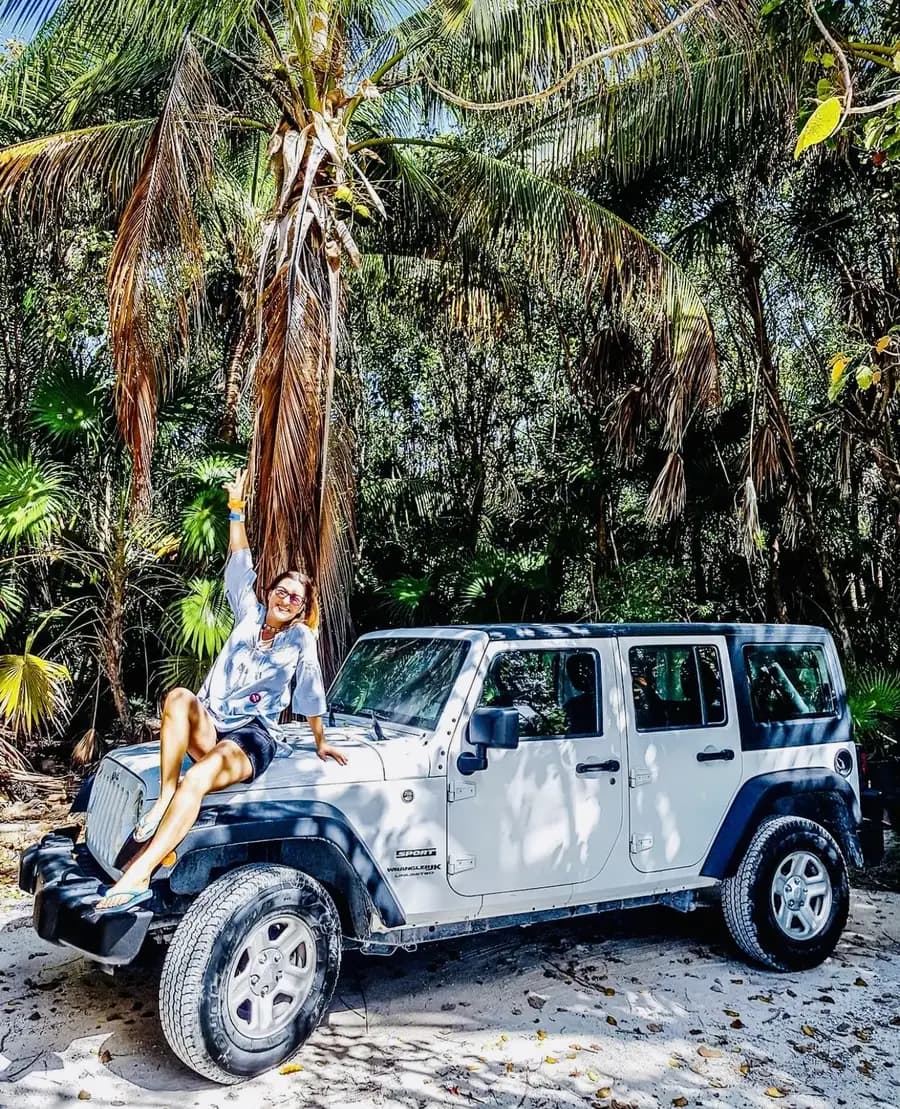
Access to the Jade Cavern is typically through guided ATV and jeep tours that combine the cenote visit with off-road exploration of Cozumel's jungle interior, Punta Sur Eco Park, and a beach stop. This combination makes it practical for cruise visitors who want maximum variety in a single excursion.
Cenote Chankanaab: Where Fresh and Salt Water Collide
Chankanaab Eco Park on Cozumel's western coast contains a unique cenote where freshwater from underground rivers meets saltwater seeping in from the nearby Caribbean. This creates a halocline — a visible boundary between the two water types — that divers and snorkelers describe as looking through a shimmering lens.
The cenote is surrounded by botanical gardens with over 400 species of tropical plants. While you cannot swim in this particular cenote (it is protected), the park itself offers some of the best shore snorkeling in Cozumel at the adjacent beach, along with dolphin encounters and a replica Mayan village.
Chankanaab sits about 15 minutes south of the cruise terminals, making it one of the most convenient options for passengers with limited port time.
Cave Exploration on Cozumel's Wild East Side
Cozumel's eastern shore — the side facing the open Caribbean — is largely undeveloped. The coastline is rougher, the jungle thicker, and the terrain more rugged. This is where you find cave systems and smaller cenotes that most tourists never see.
Several jeep and Polaris RZR tours access the eastern side of the island, passing through jungle trails to reach caves with pre-Columbian Mayan carvings. These are not cenotes in the swimming sense but geological formations connected to the same underground river network. The experience is more archaeological and adventurous — think headlamps and narrow passages — than the open-water cenotes on the mainland.
For visitors who have already snorkeled the reefs and want something genuinely different, the east-side cave excursions provide it.
How Cozumel Cenotes Compare to Mainland Cenotes
Travelers sometimes ask whether they should skip Cozumel's cenotes and visit the more famous ones near Playa del Carmen or Tulum instead. Here is an honest comparison:
Mainland cenotes like Cenote Dos Ojos, Gran Cenote, and Cenote Suytun are larger, more developed for tourism, and offer more dramatic swimming. They are open-air or semi-open, often with rope swings and jumping platforms. However, reaching them from Cozumel requires a ferry to Playa del Carmen plus a 45–90 minute drive south — a challenging day trip for cruise passengers with six or seven hours in port.
Cozumel cenotes are smaller and primarily cave-based. They are less crowded, more intimate, and paired with other island activities on the same tour. For cruise visitors, staying on-island eliminates the ferry risk entirely — no worrying about delays that could mean missing the ship.
The ideal strategy for repeat visitors: explore Cozumel's cenotes on your cruise day, and save the mainland cenotes for a dedicated Riviera Maya trip.
What to Bring and Expect
Cenote visits on Cozumel are typically included as part of broader island tours rather than standalone excursions. Here is what to prepare:
- Reef-safe sunscreen only. Chemical sunscreens damage cenote ecosystems. Mineral-based (zinc oxide) sunscreen is required at most sites. Some tours provide it.
- Water shoes. Limestone edges can be sharp, and cave floors are uneven. Basic water shoes or sport sandals with grip are essential.
- Waterproof phone case. The cenote lighting — filtered sun through limestone — produces spectacular photos. Waterproof cases are cheap insurance for irreplaceable shots.
- Cash for tips. Guides who know the caves well and point out geological features, hidden passages, and Mayan history deserve recognition. 100–200 pesos per person is standard.
- Towel and dry bag. Most tours provide towels, but having your own plus a dry bag for electronics keeps things simple.
Water temperature in Cozumel cenotes averages 75–78°F year-round — noticeably cooler than the 82–85°F Caribbean. It feels refreshing after a jungle ATV ride, but bring a rash guard if you get cold easily.
Booking a Cenote Excursion from the Cruise Port
Cenote tours from the Cozumel cruise port typically run 3–5 hours and combine the cenote visit with jungle driving, beach time, and sometimes a stop at Punta Sur or a tequila tasting. Prices range from $70–$130 per person depending on group size and inclusions.
Private tours offer the advantage of flexible timing — critical for cruise passengers who need to be back at the pier by a specific hour. Shared tours cost less but run on fixed schedules.
Book in advance, especially during peak cruise season (November through April) when the island hosts multiple ships daily and popular tours sell out early.
Beyond the Reefs
Cozumel built its reputation on world-class reef diving and snorkeling. The cenotes add a completely different dimension — underground, freshwater, geological rather than marine. Together, they make the island one of the few Caribbean destinations where you can snorkel a coral reef in the morning and swim through an ancient cave in the afternoon.
That range is what keeps people coming back.