¡SIN TOUR, SIN CARGO! Empresa Familiar Desde 1996 • 3,000+ Reseñas 5 Estrellas • TripAdvisor 94/100
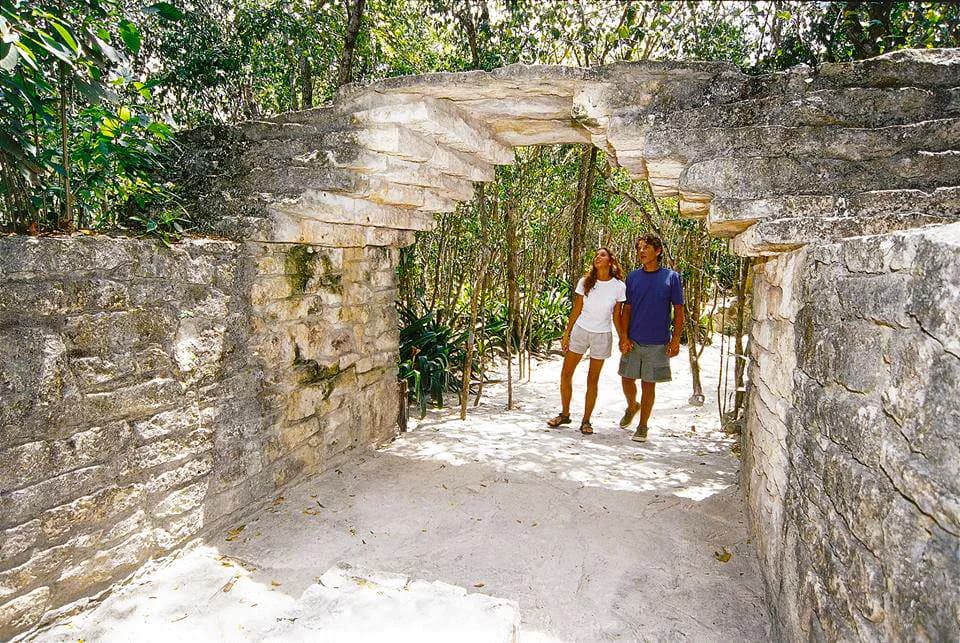
Guía completa sobre San Gervasio, las ruinas mayas en la isla de Cozumel, más información honesta sobre opciones en el continente como Tulum y Chichén Itzá que no se pueden alcanzar en un día de puerto.
Sí, y la respuesta es más interesante de lo que la mayoría de los pasajeros de crucero esperan. La propia Cozumel alberga un importante y genuinamente subestimado sitio arqueológico maya llamado San Gervasio, ubicado en el interior selvoso de la isla, a unos 17 kilómetros al este del puerto de cruceros. San Gervasio fue uno de los destinos de peregrinación más importantes del mundo maya durante aproximadamente 600 años, desde alrededor del 800 d.C. hasta la llegada de los españoles a principios del siglo XVI.
El sitio está dedicado a Ixchel, la diosa maya de la fertilidad, la medicina, el tejido y la luna. Mujeres de toda la Península de Yucatán, Belice, Guatemala e incluso Honduras emprendieron el viaje a Cozumel específicamente para visitar su templo en San Gervasio. El nombre de la isla en lengua maya, Cuzamil, significa “Isla de Golondrinas”, pero su papel en la cultura maya antigua era mucho más que poético; era un destino sagrado que atrajo peregrinos religiosos durante siglos.
San Gervasio no tiene las altas pirámides de Chichén Itzá ni el drama en los acantilados de Tulum. Lo que ofrece en cambio es algo más escaso: un sitio tranquilo y poco concurrido donde puedes caminar por los sacbeob de piedra (calzadas mayas), ver múltiples estructuras intactas, leer letreros bilingües detallados y comprender genuinamente lo que este lugar significaba para quienes lo construyeron. En los días concurridos de cruceros, tener acceso a un sitio arqueológico de calidad sin grandes grupos de turistas es un lujo subestimado.
Tarifa de Entrada
~$12 USD adultos, ~$8 niños
Horarios
8:00am – 5:00pm todos los días
Tiempo Requerido
1.5 – 2.5 horas (visita independiente)
Distancia desde el Muelle
~17 km al este por la isla
Costo de Taxi
$20–25 USD ida desde el muelle
Mejor Con
Tour guiado para mayor contexto histórico
El sitio tiene cinco grupos de estructuras principales conectados por un sendero en bucle. Esto es lo que debes buscar en cada parada.
"El Caracol"
Una plataforma circular de observatorio dedicada a Kukulcán, la deidad de la serpiente emplumada también venerada en Chichén Itzá. El interior en forma de concha de caracol es inusual en la arquitectura maya y tuvo funciones tanto astronómicas como ceremoniales. Es una de las primeras estructuras que los visitantes encuentran al ingresar al sitio.
"Las Manitas"
Nombrada por las pequeñas huellas de manos encontradas en su interior. Las Manitas es una de las estructuras más fotografiadas de San Gervasio. Se cree que fue una estación de descanso para peregrinos en la ruta sagrada hacia el templo principal de Ixchel. Las huellas son marcas antiguas pintadas en rojo, conservadas bajo un dosel protector.
"Casa Alta"
La estructura más grande e importante de San Gervasio, Ka’Na Nah sirvió como el templo principal de Ixchel, la diosa maya de la fertilidad, la medicina y la luna. Mujeres de toda la Península de Yucatán y regiones vecinas peregrinaron a Cozumel específicamente para visitar este templo, sobre todo para orar por un parto seguro. El templo mira hacia el oeste, en dirección al sol poniente.
"Los Murciélagos"
Un conjunto de estructuras más pequeñas en la parte trasera del sitio que funcionaron como edificios residenciales y administrativos. El nombre proviene de la gran colonia de murciélagos que históricamente ha habitado las ruinas. Esta sección da una idea de cómo era la vida cotidiana en el asentamiento más allá del núcleo ceremonial.
"Plaza de las Manos"
La plaza abierta central donde se realizaban ceremonias y reuniones. Múltiples edificios rodean la plaza, y calzadas de piedra (llamadas sacbeob) la conectan con otras áreas del sitio. En su apogeo, San Gervasio albergaba a varios miles de residentes permanentes y recibía a miles de peregrinos anualmente.
Una experiencia guiada en San Gervasio transforma la visita de un agradable paseo entre estructuras de piedra en un encuentro genuinamente conmovedor con la historia maya. Un guía con conocimientos puede explicar el significado religioso de cada edificio, los alineamientos astronómicos integrados en la arquitectura y el papel que jugó Cozumel en la red comercial maya en general. Muchos visitantes dicen que la versión guiada toma el mismo tiempo pero se siente diez veces más enriquecedora.
Las visitas independientes funcionan bien si tienes un interés genuino en la arqueología y estás dispuesto a leer un poco de antemano. El sitio tiene buena señalización bilingüe en la mayoría de las estructuras. Toma un taxi desde el muelle (negocia una tarifa de ida y vuelta de alrededor de $40–50 USD en total, lo cual es mucho más conveniente que esperar encontrar un taxi de regreso desde la entrada del sitio). El recorrido independiente toma de 1.5 a 2.5 horas dependiendo de cuánto tiempo te detengas en cada estructura.
Las mangas largas en tela ligera protegen del sol sin recalentar. El dosel selvoso da sombra parcial, pero el sol directo es intenso durante todo el año.
Los senderos son irregulares y con raíces. Las chanclas son manejables, pero las sandalias de senderismo con correa en el tobillo son más cómodas en el recorrido de 2.4 km del sitio.
El interior selvoso tiene mosquitos y jejenes, especialmente en la mañana. Se recomienda encarecidamente aplicar un repelente a base de DEET o picadirina antes de llegar.
Las plazas abiertas entre las estructuras te exponen al sol caribeño directo. Aplica protector solar seguro para arrecifes antes de llegar, especialmente si combinas las ruinas con un tour de snorkel después.
También vale la pena llevar: Una botella de agua reutilizable. La entrada tiene una estación de agua y es importante mantenerse hidratado al caminar en la humedad de la selva. Hay un pequeño puesto de comida cerca de la entrada que vende botanas y bebidas frías. En la taquilla de entrada se acepta efectivo (pesos o USD), aunque el cambio exacto en pesos siempre te salvará de tasas de cambio desfavorables.
Casi todos los pasajeros de crucero que han visto fotos de Tulum preguntan si pueden visitarlo desde Cozumel. La respuesta corta es: no de forma segura en un día de puerto. Aquí está la realidad.
Llegar de Cozumel a Tulum requiere un ferry a Playa del Carmen (45 minutos de ida, más tiempo de espera), seguido de un autobús o taxi a Tulum (aproximadamente 60–90 minutos de ida). El tránsito de ida y vuelta por sí solo consume de cinco a seis horas, antes de que pases un solo minuto en las ruinas. La mayoría de las escalas en Cozumel son de seis a nueve horas. La matemática simplemente no está a tu favor, y perder el barco por un ferry retrasado o un atasco de tráfico es un riesgo real, no teórico.
Chichén Itzá está aún más lejos, de tres a cuatro horas desde la terminal del ferry en Playa del Carmen por carretera. Es un sitio extraordinario que vale la pena visitar si pasas varios días en el Yucatán, pero no es una excursión de un día viable desde una escala de crucero en Cozumel.
Nuestra recomendación: Visita San Gervasio en Cozumel. Está mucho menos concurrido que Tulum o Chichén Itzá, es genuinamente significativo en la historia maya y toma medio día en lugar de un día completo. Si quieres combinar las ruinas con otra experiencia, nuestro tour guiado en jeep combina San Gervasio con exploración todoterreno del interior de la isla y una parada en la playa del lado del Caribe.
La combinación más popular. Un tour privado en jeep típicamente incluye San Gervasio como parada estructurada de 45 minutos, luego continúa hacia las playas salvajes de la costa este y regresa por el interior de la selva. Tiempo total: 4–5 horas. Esta es la forma recomendada para que la mayoría de los pasajeros de crucero visiten las ruinas.
Ver Tours Privados en JeepConsejo para el día de puerto: Si quieres ver las ruinas por la mañana y hacer snorkel por la tarde (o viceversa), sé realista con los tiempos. Una visita exclusiva a las ruinas toma de 1.5 a 2.5 horas más el traslado. Añadir un tour de snorkel el mismo día funciona mejor con una escala de 9+ horas. Contáctanos con tu hora límite de abordaje y te ayudaremos a organizar el día para que puedas ver ambas cosas sin apuros.
Nuestros tours guiados en jeep incluyen San Gervasio como parada estructurada con guía bilingüe, transporte desde el muelle y la garantía SIN TOUR, SIN CARGO.
SIN TOUR, SIN CARGO | reembolso completo si tu barco no atraca