
A cruise-ready Cozumel map guide — where the three piers are, how the island's road system works, where the reefs and beach clubs sit, and how to plan a port day that actually connects.
Cozumel Map: A Local's Guide to the Island's Piers, Reefs, Ruins, and Road Network
Most cruise passengers arrive in Cozumel with a rough mental picture: a tropical island somewhere off the Yucatán coast, big enough to have good snorkeling and small enough to get around in a day. That picture is directionally correct, but a few hours into port, a more specific question emerges: Where am I actually, and how does this island fit together?
This guide is a written Cozumel map — a practical orientation to the island's geography, its three cruise piers, its road network, and the major attraction zones. If you prefer the visual version, our interactive Cozumel map shows every pier, reef, beach, and ruin laid out against actual roads and shorelines. Pair it with this guide and you'll walk off the ship with a real sense of where everything is.
The Big Picture: What Cozumel Actually Looks Like
Cozumel is a roughly rectangular island about 30 miles long and 10 miles wide, sitting in the Caribbean Sea about 12 miles off the east coast of the Yucatán Peninsula. It's the third-largest island in Mexico and one of the most densely visited Caribbean cruise ports — on a peak day, up to seven ships call simultaneously, dropping 20,000+ passengers onto an island of 90,000 residents.
The island has two distinct sides:
- The leeward (western) side. Faces the mainland. Calm water, world-class reef diving and snorkeling, all three cruise piers, the main town of San Miguel, most hotels, and the entire developed corridor. This is where you'll spend almost your entire cruise day.
- The windward (eastern) side. Faces the open Caribbean. Rugged, mostly undeveloped coastline with beach bars and blowholes. Reachable by rental jeep or organized jeep tour, but farther than most cruise passengers realize.
The interior of the island is mostly dense low jungle, with a single main cross-island road and a handful of smaller tracks leading to San Gervasio (the Mayan ruin site) and a few ecological parks.
The Three Cruise Piers — And Why It Matters Which One You're At
Before your port day, know which pier your ship is using. It's on your cruise itinerary or in the daily newsletter delivered to your stateroom the night before. It matters because the three piers are several miles apart.
1. Punta Langosta — The Downtown Pier
Location: Directly in the center of San Miguel, the island's only town. Who uses it: Smaller ships, and — for operational reasons — often one or two larger ships on crowded days. Why it's great: You step off the ship and you're already in downtown Cozumel. Shopping, restaurants, the town square (zócalo), and the ferry terminal to Playa del Carmen are all within a 3-minute walk. Our full Punta Langosta guide covers pickup logistics for excursions and the best restaurants within walking distance.
2. International Pier (TMM Pier)
Location: About 2 miles south of downtown, along the hotel zone. Who uses it: Royal Caribbean, Celebrity, Princess, and others on rotation. Why it's notable: Not walkable to downtown, but convenient to the southern reef zone and the hotel-zone beach clubs. Taxi to downtown is a flat fare and runs 8–10 minutes. The International Pier overview lists every excursion meet point used from this pier.
3. Puerta Maya — The Carnival Pier
Location: About 3 miles south of downtown, immediately south of the International Pier. Who uses it: Carnival-family ships primarily — Carnival, Holland America, Princess. Why it matters: It's the southernmost pier, which actually gives it a small advantage for southern-reef access. The Puerta Maya guide covers the pier's shopping plaza and transportation options.
The Cozumel cruise port overview compares all three piers side-by-side and explains which ships typically dock where.
The Island's Road Network
The Cozumel map has a surprisingly simple road system. There are essentially three main routes:
1. The Western Coastal Road (Costera Sur). Runs south from downtown San Miguel along the entire developed leeward coast, past all three piers, past every major hotel and beach club, all the way to the southernmost point at Punta Sur Ecological Park. This is where 90% of cruise passengers spend their day.
2. The Cross-Island Road (Transversal). Cuts east from San Miguel through the island's interior to the windward coast, passing the access road to the San Gervasio Mayan ruins. Total drive: about 25 minutes.
3. The Eastern Coastal Road. Runs along the windward coast, past the beach bars, blowholes, and dramatic sea cliffs. Connects back to the southern tip via Punta Sur.
A complete loop of the island — south along the leeward coast, across the south via Punta Sur, up the windward coast, and back across via the cross-island road — takes about 3 hours of driving if you don't stop anywhere. With typical stops (a swim, a beach bar, the ruins), it fills an entire cruise day. The circuit is the foundation of every good jeep tour itinerary.
Where the Major Attractions Sit
Here's the attraction map, organized roughly north-to-south along the leeward coast:
Far North — Isla Pasión (Passion Island). A private island off the northern tip, accessed by boat. A full-day beach excursion destination, not something you'd drive to.
San Miguel (downtown). Shopping, restaurants, the zócalo, Punta Langosta pier, ferry terminal to Playa del Carmen. If you want to explore the town, this is the zone.
North of downtown — Hotel zone (north). Quieter hotels and residential streets. Less visited by cruise passengers.
Just south of downtown — International Pier and Puerta Maya. Most ships dock here. The beach clubs and snorkel operators cluster on the coast immediately south.
Middle leeward coast — Paradise Beach, Mr. Sancho's, Nachi Cocom. The main cluster of beach clubs. Good snorkeling off the beach at Paradise Reef and easy taxi access from any pier.
Chankanaab Marine Park. A family-friendly marine park with snorkeling, dolphin encounters, and a botanical garden. About 10–15 minutes south of the piers.
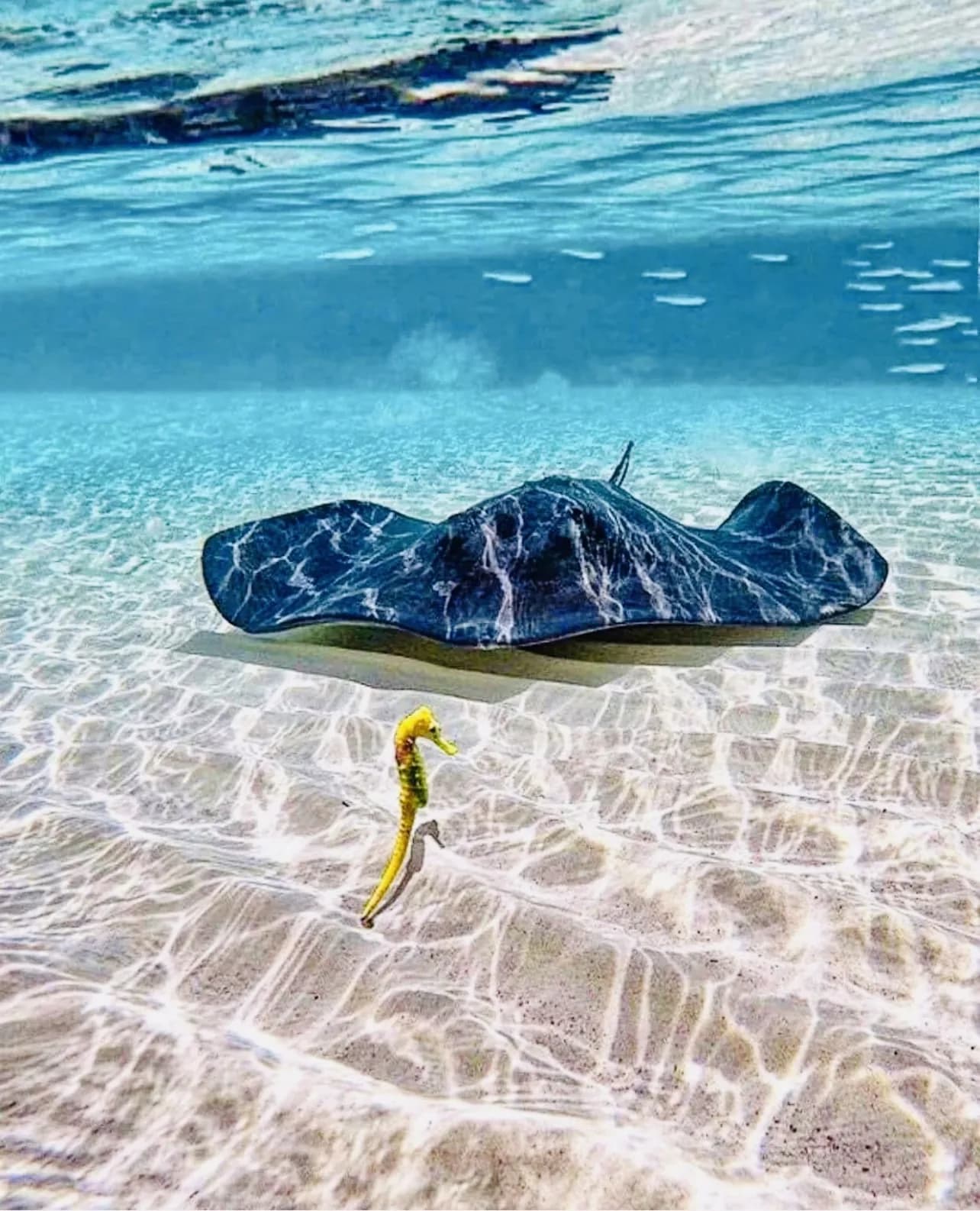
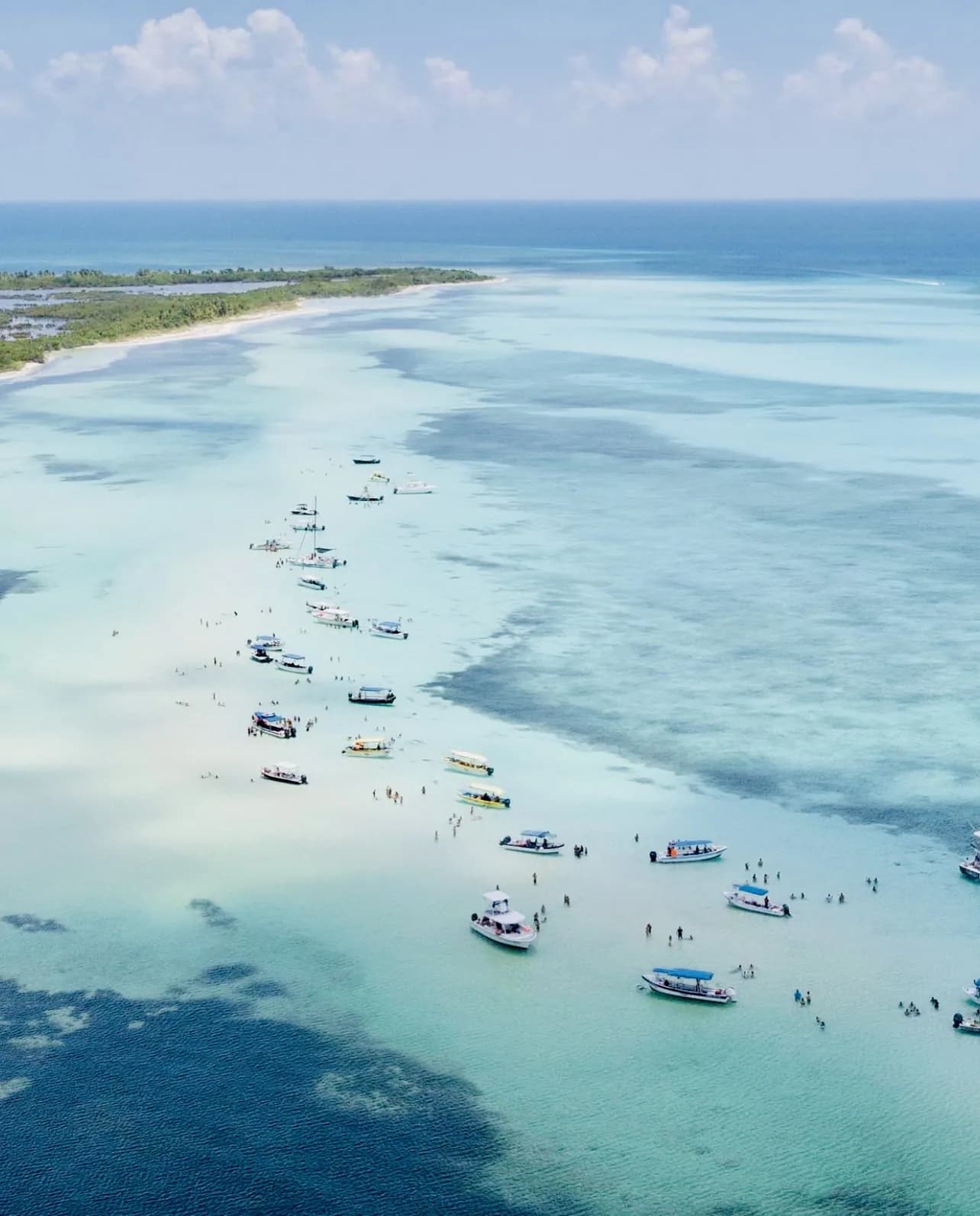
Southern leeward coast — The main reef zone. This is where Palancar, Columbia, Santa Rosa Wall, and the El Cielo sandbar all sit, just offshore. Most snorkel and dive excursions leave from marinas along this stretch. The detailed things to do in Cozumel page covers each option in depth.
Punta Sur Ecological Park. The southern tip of the island. Lighthouse, crocodile lagoon, beaches, and the connection point to the windward coast road. Worth the drive.
Windward coast. Rugged, scenic, and home to a handful of excellent beach bars — Coconuts, Rasta's, Playa Chen Rio. Mostly the domain of jeep-tour guests and rental-jeep explorers.
Cross-island — San Gervasio. Cozumel's Mayan ruin site, about halfway across the island. Smaller than Tulum or Chichén Itzá, but historically significant as a pilgrimage site dedicated to Ixchel, the Mayan goddess of fertility and medicine.
Where the Reefs Are on the Map
The reef system runs in a continuous line along the southwestern edge of the island, with the most celebrated sites clustered about 4–7 miles south of the main piers:
- Paradise Reef — closest to the piers, shallow, beginner-friendly
- Chankanaab Reef — just offshore of the marine park
- Santa Rosa Wall — moderate-to-advanced
- Palancar (Gardens, Caves, Bricks, Horseshoe) — the legendary 3-mile reef
- Columbia Reef — just south of Palancar, excellent for turtles
- El Cielo — the protected starfish sandbar on the southwestern shore
- Punta Sur reefs — the southernmost sites, farther from the piers but quieter
For a detailed walkthrough of each site, see the snorkeling tour lineup organized by reef.
Planning Your Day Against the Map
Once you can picture the island, the right excursion choices become easier. A few planning patterns that work:
If you want world-class reef snorkeling: Boat-based excursion leaving from the southern marinas, covering 2–3 reefs (typically Palancar + Columbia + El Cielo). Total time: 4–5 hours. Low driving, lots of water time.
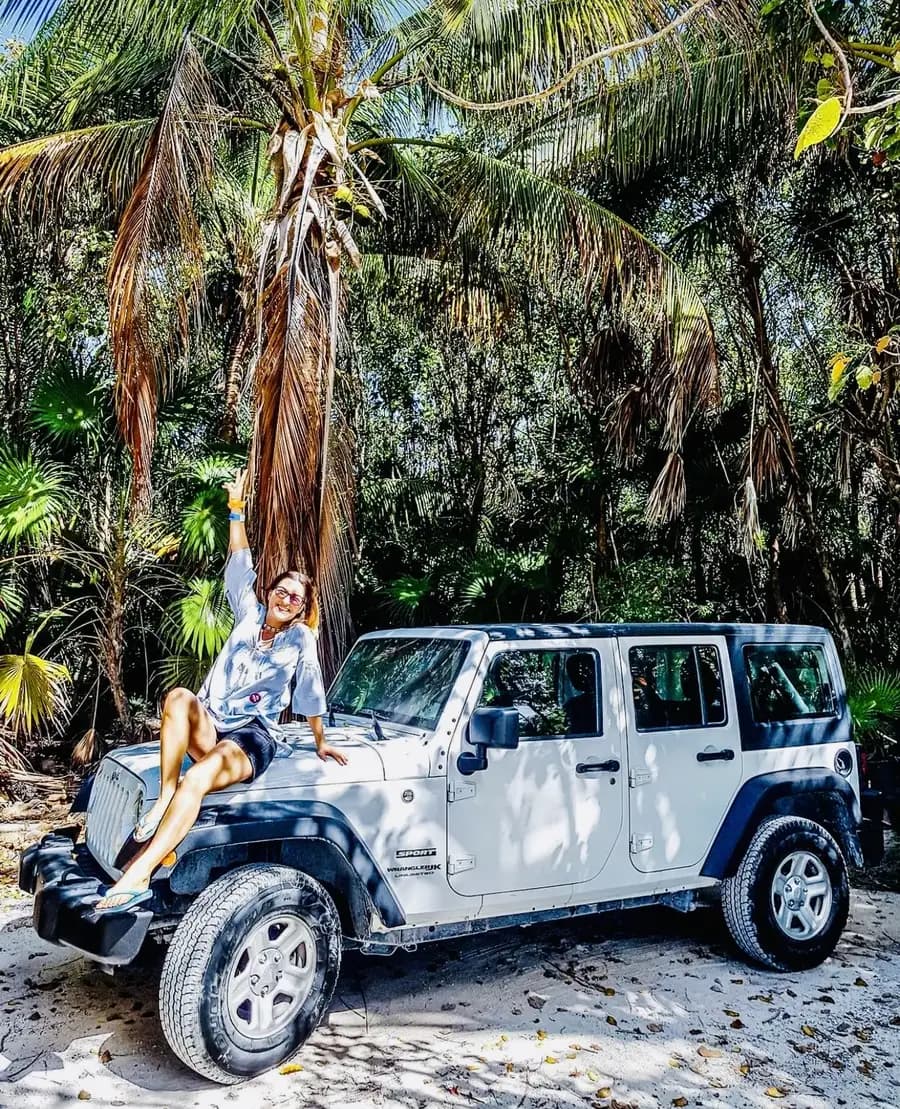
If you want the "whole island" experience: Private jeep tour circumnavigating the island with stops at the ruins, a windward beach bar, and a southern beach or snorkel stop. Total time: 6–7 hours.
If you want a relaxed beach day: Taxi from any pier to a beach club in the middle leeward coast. Optional snorkel gear rental. Total time: whatever you want.
If you're a first-time visitor: Spend some time with the first time in Cozumel guide and the plan your day tool — they're built around the same map logic this guide uses.
If you're comparing specific tours: The compare tours page lays out every excursion side-by-side, including total time, pickup pier, and difficulty level.
Practical Map-Related Tips
Distances are deceptive. Cozumel looks small on a paper map, but driving from Punta Langosta to Punta Sur takes 35–40 minutes each way. Build travel time into your plan.
Taxis use fixed-zone pricing. Cozumel taxis don't meter — they charge by published zone. Confirm the fare before getting in. A taxi from a pier to a typical beach club runs about $15–20 USD.
Rental jeeps are common but require confidence. Cozumel driving is not aggressive, but the eastern road is remote. If you rent, top off fuel before leaving town. Passport requirements for rentals are covered in our passport requirements guide.
Ferries to Playa del Carmen leave from downtown. If your cruise day has room for a mainland side trip, the ferry schedule covers departure times and pricing. It's a 45-minute crossing each way — doable but tight on a 7-hour port day.
Bring small denominations and a payment plan. The money and currency guide and the what to bring packing list cover the basics most first-time visitors get wrong.
The Island in One Paragraph
Here's the Cozumel map reduced to its essentials: you arrive at one of three piers on the western (calm) side of a 30-mile island. Everything you came to see — world-class reefs, the main town, every beach club, the southern ecological park, the Mayan ruins accessed via the cross-island road, and the dramatic windward coast — is within an hour's drive from your pier. The reefs are offshore of the southwest coast, the beach clubs cluster in the middle, the town is just north of the International Pier, and the wild side of the island is reached by going south through Punta Sur and up the windward road. That's Cozumel.
The Bottom Line
A good Cozumel map is less about memorizing place names and more about understanding how the zones connect. Once you know where the piers sit relative to the reef zone, the town, and the cross-island road, planning a port day becomes straightforward. Pick the zones that match what you actually want — reefs, ruins, beaches, adventure — and leave enough buffer time to make the return trip to the ship comfortable.
For the interactive version, open the Cozumel map alongside this guide. For curated excursion options already organized around these zones, the full Cozumel tours lineup is the fastest path from map to booked day.