

Chankanaab Beach Adventure Park is where many cruise visitors snorkel for the first time; here is how the shore entry, gear, and reef rules actually work.
If you have never put a snorkel in your mouth, Chankanaab Beach Adventure Park is one of the gentlest places in Cozumel to try. There is no boat, no deep water to drop into, and no schedule beyond the one you set yourself. You walk in from the shore, float over fish in water you could stand up in, and come back to a chair when you have had enough. That is exactly why so many cruise passengers have their first snorkel here, and also why so many of them do it badly: nobody explains the mechanics.
This guide is for the first-timer. It covers where you actually get in the water at the park, what gear to rent or bring, a short routine to practice before you swim out, what you are likely to see, and when a guided reef tour is the better first experience instead.
Is Chankanaab Beach Adventure Park a good place to snorkel for the first time?
Yes, with two honest caveats. The park sits on the island's protected west coast, a short taxi ride south of the cruise piers, which means the water in front of it is calm, clear, and shallow for a long way out. Our chankanaab beach adventure park guide covers hours, fees, and the layout of the park's five areas; the short version for snorkelers is that you can enter from the shore, stay inside a marked swim zone, and never be far from a ladder or the beach.
The first caveat is that this is shore snorkeling, not a reef trip. The famous drop-offs at Palancar and Colombia are miles away and require a boat and a marine park permit. What you get at Chankanaab is a shallow, reef-dotted shoreline with tame fish and a few submerged statues, which is ideal for learning and modest for anyone who has snorkeled before.
The second caveat is crowds. The park is busiest from late morning through early afternoon, when several ships' worth of passengers arrive at once. Water clarity near the entry points drops as hundreds of fins stir up sand. Arriving close to the park's opening time, when the first passengers trickle in, gives a beginner calm water and room to practice. By early afternoon the same spot can feel like a swimming pool at a hotel.
Where do you actually get in the water?
Snorkeling for most visitors happens along the park's sea-facing shoreline, not in the lagoon that gives the park its name. The lagoon is the park's protected centerpiece, connected to the sea through underground channels, and it has its own rules; follow the signage and staff directions on the day. The sea side is where the ladders, platforms, and beach entries are.
There are two ways in. The beach lets you walk into the water gradually, which is the right choice for a first-timer because you can stand, adjust your mask, and practice breathing before your feet leave the sand. The ladders and platforms along the rocky stretches drop you straight into deeper water, which is faster for confident swimmers and unforgiving for nervous ones. Start from the beach. Move to a ladder later if you want.
The submerged statues, including a Christ figure that most people photograph, sit a short swim from shore in water that is deep enough to float over comfortably and shallow enough to see clearly. Treat them as a destination for your second or third swim, not your first. The reef patches closer in have as many fish and far fewer people.
Stay inside the marked swim area, keep the shoreline on one side, and remember that the current along this coast, though mild, runs parallel to the beach. Swimming "out and back" is easier than it sounds if you pick a landmark on shore and check it every minute or two.
Gear: rent, bring, or skip
Snorkel gear is rented inside the park and is not included with entry, which is fine for a first-timer, because the staff will help you fit it. Three things matter about a rental mask. It must seal: press it to your face without the strap, breathe in gently through your nose, and it should stay put on its own. It must be defogged: a drop of the rental counter's solution or a smear of baby shampoo rinsed once, applied before you walk to the water. And the strap should be snug, not tight; a mask cranked down hard leaks more, not less.
Fins are optional for shore snorkeling and often a hindrance on the walk in. Many first-timers do better without them on the first swim, then add them once they are comfortable face-down in the water. A flotation vest is the opposite: wear one. It lets you stop, float, fix your mask, and breathe without treading water, which is the single biggest confidence builder for a beginner. Vests are available at the park, and life jackets are part of every tour we run for the same reason.
Bring your own reef-safe, biodegradable sunscreen and put it on well before you enter the water; the park enforces the rule, and conventional sunscreen harms the reef you are there to see. A long-sleeve rash guard does the job better than any lotion and spares you the classic first-timer sunburn across the back and the backs of the legs. Bring a towel, because the park does not provide them, and a small lock or a few dollars for a locker. A waterproof phone case is worth more than an underwater camera for a first swim.
A first-timer's twenty-minute routine before you swim out
The difference between a frustrating first snorkel and a great one is usually ten minutes of practice in waist-deep water that almost nobody does.
- Stand in water to your waist, put your face in with the mask on, and breathe through the snorkel for a full minute. Nothing else. The goal is to convince your body that breathing face-down works.
- Let a little water into the snorkel on purpose, then blow it out sharply. Do it three times. Knowing you can clear it removes the panic reflex later.
- Float on your front with the vest on, arms loose, and let your legs trail. Notice that you do not sink. Kick slowly from the hips if you kick at all; splashing scares fish and tires you out.
- Lift your head, stand up, fix anything that leaks, and repeat.
Then swim out slowly, parallel to the beach, with a partner or within sight of a staffed area. Look, do not touch: coral, starfish, and the statues are all off limits to hands and feet. If the mask floods, stand up or roll onto your back with the vest, fix it, and start again. Nothing about a first snorkel needs to be rushed.
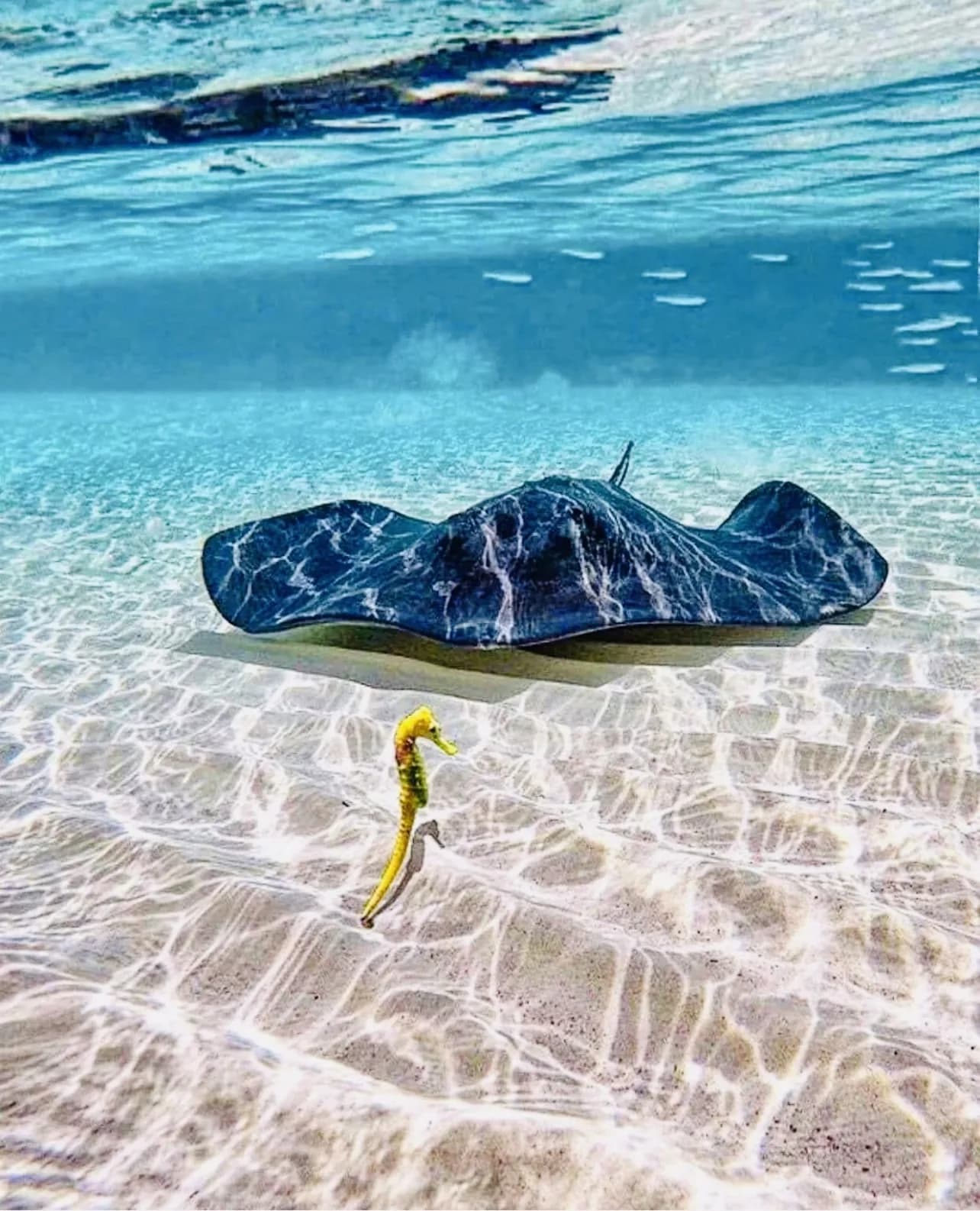
What you will see depends on the day, but the regulars in Chankanaab's shallows include sergeant majors with their black bars, blue tang, yellowtail snapper, parrotfish grinding at the coral, and the occasional small ray over sand. The sea lion habitat is a separate attraction with show times through the day, and it makes a good break between swims for anyone who needs one.
When an open-reef adventure tour is the better first dive
Chankanaab is the right first snorkel for anyone who wants to learn at their own pace with their feet on the ground. It is the wrong one for a few specific people. Strong swimmers who already know they love the water will find the shoreline modest and the crowds frustrating. Families with a mix of confident and nervous snorkelers often do better on a boat with a guide who can manage both. And anyone whose port call is long enough to reach the real reefs should think hard about spending it in a park instead.
For those people, a guided snorkeling tour with small groups, bilingual marine naturalist guides, life jackets for everyone, and permits for the marine park reefs is a better first experience, not a harder one. The guide does the fitting and the practice session; you do the floating. For a port day that mixes land and water, our adventure tours pair jungle driving or riding with a beach or reef stop, and some include shore snorkeling with the same guide who taught you to drive the vehicle. Pickup is free at any of the three piers on our boat and vehicle tours; the few park-based options that exclude transport say so on the tour page.
Shore snorkeling at Chankanaab, a reef tour, and an adventure tour are not competing answers. Plenty of guests do the park on a first visit, come back for the reef on the next cruise, and never regret the order.
Chankanaab Beach Adventure Park as your first snorkel
Chankanaab Beach Adventure Park earns its reputation as the beginner's spot in Cozumel for good reasons: a calm shore entry, shallow water, rentable gear, and staff within shouting distance. Arrive early, start from the beach, wear the vest, and practice in waist-deep water before you swim out, then treat the statues as a reward rather than a goal. Do that and your first snorkel will be the easy part of the day.
If you want the practice session, the gear, the fitting, and the reefs handled for you, the team at Cozumel Cruise Tours has been putting first-timers in the water since 1996, with free pier pickup on boat and vehicle tours and a back-to-ship guarantee.