

Snorkeling Cozumel a second time is the chance to trade the beginner reef for a drift, a sandbar or a shore park, and this plan shows how.
Snorkeling Cozumel for the second time is a different trip from the first. On the first visit most cruise passengers book whatever leaves soonest from the pier, swim the nearest reef in a borrowed mask and come home happy. On the second visit you know what a reef looks like, you know whether seasickness is your problem, and you have a whole island of water you did not see. This plan is for the cruiser whose itinerary has Cozumel on it again and who wants the day to feel new.
The island earns a second look. Its reefs run the length of the sheltered west coast as part of the Mesoamerican Reef, and they change character from north to south, from shallow gardens near the piers to deep coral walls and a sandbar full of starfish at the southern end. No single tour covers all of it, which is exactly why a repeat visit is worth planning rather than repeating.
Is snorkeling Cozumel worth doing twice?
Yes, as long as you change something. Most first-timers snorkel one of the reefs closest to the International Pier and Puerta Maya, because that is where the short tours go and where the water is calm for beginners. Those reefs are genuinely good, and they are also the most visited stretch of coast on a busy ship day. The southern reefs, the sandbar and the shore parks are different enough that a second visit can feel like a different island.
Three things make the second time better. You already own the skill, so you can handle a drift and a little more depth. You know your own body on a boat, so you can choose a longer trip or decide to skip the boat entirely. And you know the clock, so you can push a little farther from the pier without the all-aboard anxiety that shortens most first visits.
The reefs sit inside a national marine park, which is why the water stays as clear as it does and why guides are strict about fins off the coral and hands off the animals. A second visit is a good moment to treat the rules as part of the experience instead of an interruption to it.
Which reef should you pick on your second visit?
Think of the west coast as a menu running north to south, and pick the item you did not order last time.
Paradise Reef, just south of the piers, is where most first visits happen. It is shallow, close and reliable, with a good chance of seeing a turtle. If this was your first reef, move on.
Palancar Gardens sits farther south and is the reef Cozumel is famous for. Coral heads rise from a sandy bottom in formations big enough to swim around, and the depth is enough to make the colors richer when the sun is high. Most tours snorkel it as a drift, so you float along the top of the formations while the boat follows.
Columbia Reef is Palancar's neighbor and tends to run a little wilder, with bigger structures and often larger fish. It is a fine choice for a confident snorkeler who found Paradise too tame.
Dzul-Ha, a shore-entry site south of town, is the local favorite for a quick swim without a boat. Entry is over rock and the reef is close in, so it suits a confident swimmer with water shoes and a short port call.
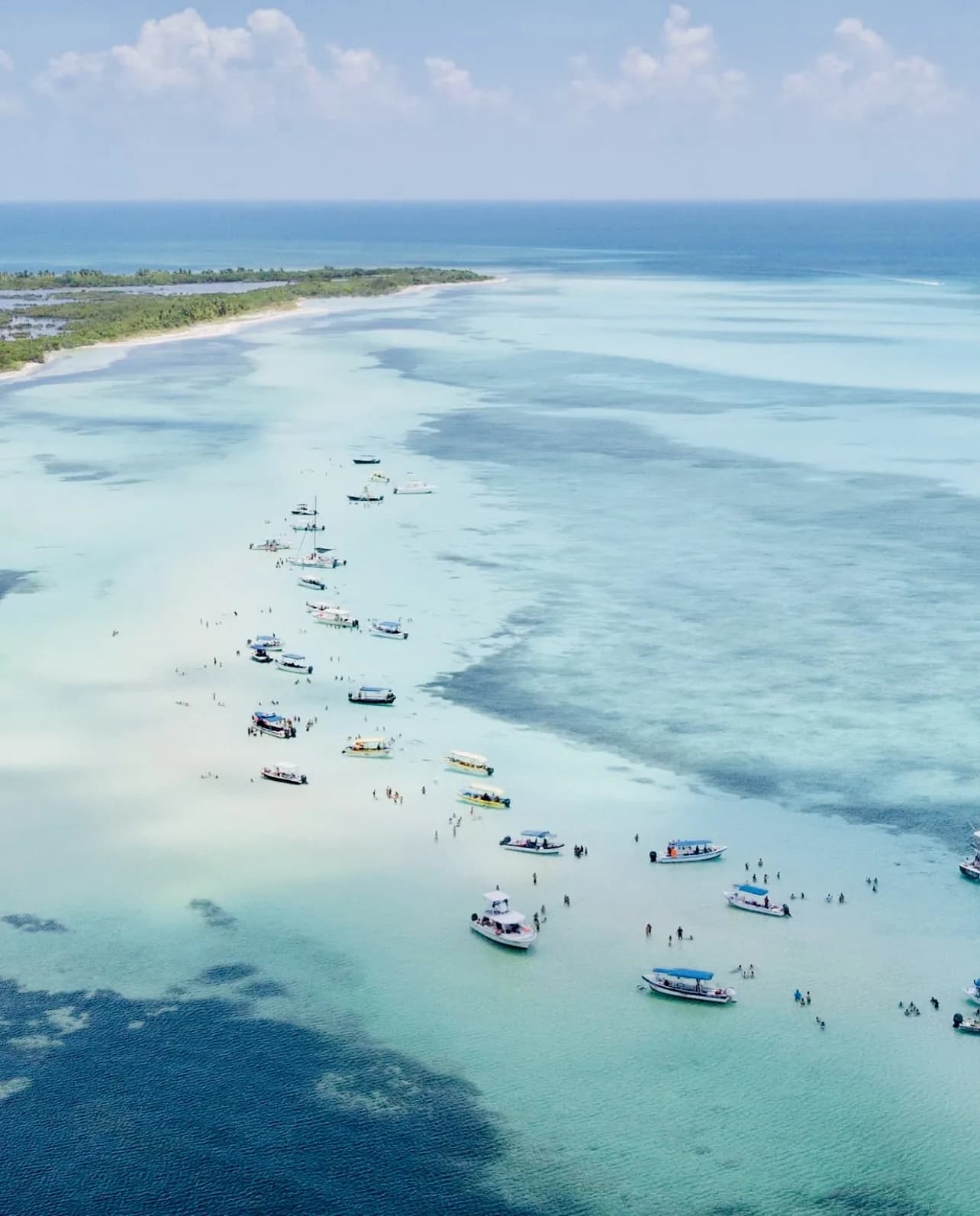
El Cielo is not a reef at all but a shallow sandbar where starfish rest on white sand in waist-deep water. It is usually the last stop on a southern tour and the one everyone photographs. It pairs well with Palancar or Columbia on the same trip.
You can compare formats and stops when you browse tours, and the simplest rule is this: if your first trip was a near-pier reef, your second should be a southern two-reef drift with a sandbar finish.
Should you try Chankanaab instead of a boat?
Not everyone wants a boat the second time. If the first trip left you green, or your ship's port call is short, shore snorkeling from a park is the move. Chankanaab beach adventure park is the best-known option: a national park south of town with a beach, a lagoon, a reef you can reach by swimming out from the sand, and enough on land that a non-snorkeling partner has a full day too.
Shore snorkeling trades the big coral formations for convenience. You decide when to go in and when to get out, you can rest on a chair between swims, and there is no schedule but yours and the ship's. For a second visit it is a genuinely different experience rather than a lesser one, especially for families, older snorkelers and anyone who wants to snorkel twice in a day with lunch in between.
Two tips from people who go often. Arrive early, because the park fills from mid-morning on busy ship days. And bring your own mask if you have one, since a mask that fits your face is the single biggest upgrade to any snorkel day.
Getting there is simple from any pier. A taxi from Punta Langosta, the International Pier or Puerta Maya runs south along the coast road, and the park is a stop every driver knows by name. Tell the driver your all-aboard time and agree a pickup, or plan to flag a taxi at the gate, where there is usually a line of them on ship days.
How does the season change what you see?
If your two Cozumel calls fall in different months, the water itself will be different. Winter brings cold fronts, called nortes locally, that can rough up the sea for a day or two and occasionally close the port to small boats. Winter is also when eagle rays gather along the southern reefs, which is one reason divers and snorkelers plan trips for those months despite the risk of a windy day.
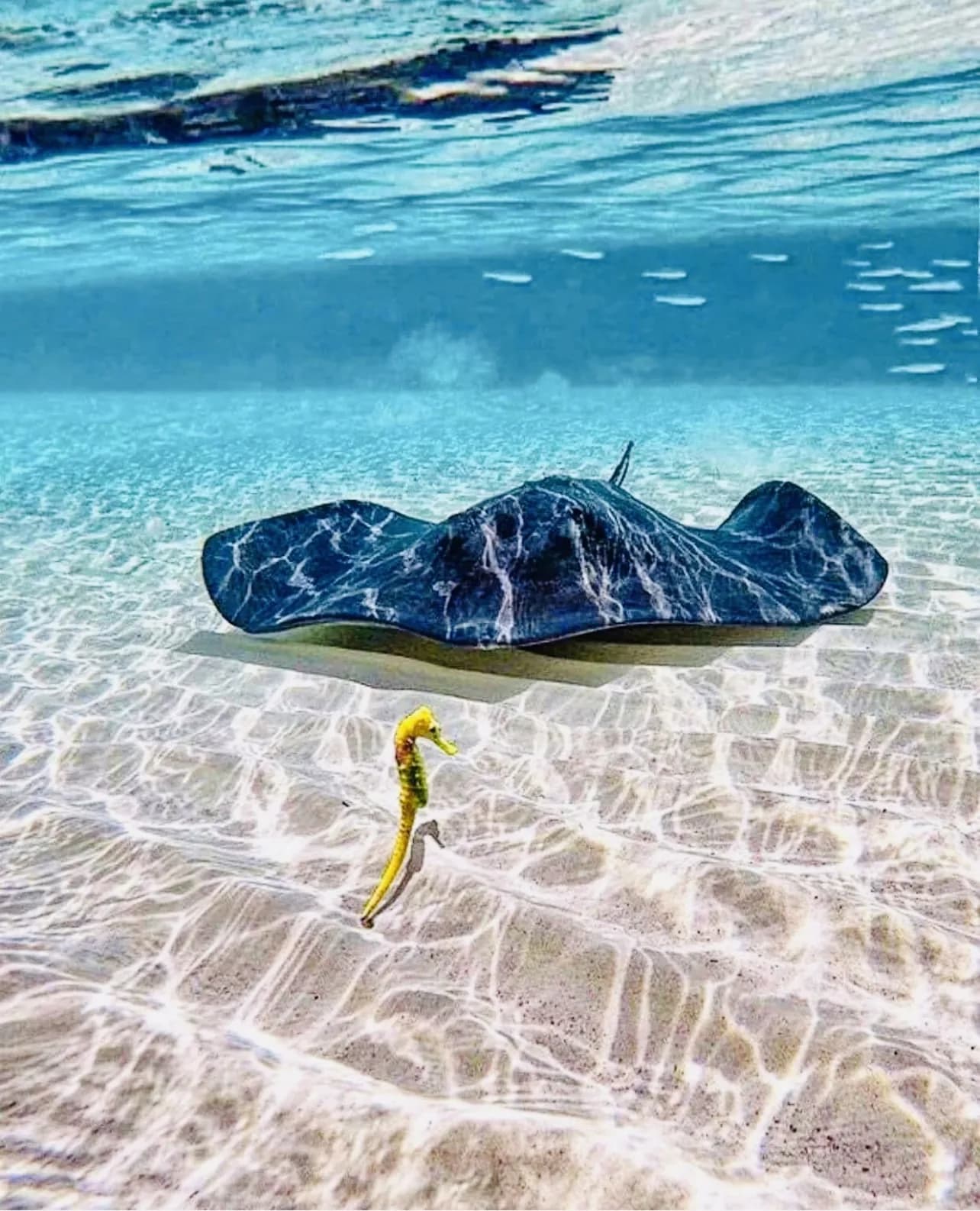
Summer water is warmer, the sea is usually calmer and visibility is often at its best, with afternoon showers that pass quickly. Turtles are present year-round, and the splendid toadfish, a species found only around Cozumel, hides under ledges in every season for those who look down and slow down.
The practical lesson for a repeat visitor is to check the forecast the night before and keep a backup. A tour that moves from a southern drift to a sheltered near-pier reef on a windy morning is doing you a favor, not shortchanging you.
Summer and early autumn are also hurricane season. Most days are fine, but a storm elsewhere in the Caribbean can send swell your way or cancel a port call outright, and when the harbor master closes the port, every boat stays tied up. Ask how the operator handles a port closure before you book, so you know what a weather day means for your reservation.
How do you time it on a busy port day?
Your second visit may land on a heavier ship day than your first, and the difference is noticeable in the water near the piers. Check the cozumel cruise port schedule for your date before you book. On a multi-ship morning, the near-pier reefs are crowded from mid-morning, while the southern reefs and the shore parks absorb people far better.
Book the earliest departure your ship's arrival allows. The light is good, the water is calm and the boats are emptier. Set your return so you are back at the pier with a wide margin, and confirm whether your ship runs on ship time or local time, since the two can differ. A repeat visitor who has already stood at the pier watching the clock knows exactly why this matters.
If your group has grown since the first trip, a private boat is worth pricing. For six or more people it often costs little more per person than a shared tour, and it lets you choose the reefs, the order and the departure time rather than fitting into someone else's.
What should you do differently this time?
Small changes make the second day feel expert. Bring a mask that fits, and defog it with a drop of baby shampoo rather than spit. Wear a rash guard instead of relying on sunscreen alone, and make the sunscreen you do use biodegradable, which the marine park asks of every visitor. Use fins on a drift and let the current carry you; the point of a drift snorkel is to relax and watch, not to swim against the sea.
If you are on a shared boat, listen to the briefing even though you have heard one before. Each reef has its own entry, its own pickup point and its own current, and the crew will tell you where the boat will be waiting. A second-visit snorkeler who drifts past the pickup because the briefing felt familiar makes the whole boat wait.
Keep your hands to yourself in the water. Coral dies where it is touched, and the starfish at the sandbar are protected for the same reason. A camera on a wrist strap, held still, will give you better photos than a hand reaching for anything living.
Finally, ask the crew what they are seeing this week. Local guides know where the turtles have been feeding and which ledge the toadfish favors, and the second-visit snorkeler who asks gets a better day than the one who assumes it will be the same as last time.
Snorkeling Cozumel again is the easiest decision on a repeat itinerary once you change the reef, the format or the season. Cozumel cruise tours runs small-group and private snorkel trips to every stretch of the west coast, so tell us what you saw last time and we will point you to the water you missed.