

Cozumel remains one of the safest destinations in Mexico for cruise passengers and tourists in 2026 — but safety is contextual. Here is a current, honest assessment of crime rates, water safety, excursion risk, and the precautions that actually matter on a port day.
Is Cozumel Safe Right Now? An Honest 2026 Safety Update for Cruise Passengers and Travelers
If you are planning a Cozumel port day and someone in your group has nervously asked, "Is Cozumel safe right now?" — you are not alone. It is one of the most common questions cruise passengers ask before stepping off the ship in Mexico, and it is also one of the most misunderstood. The U.S. State Department's travel advisory system, headline-driven news cycles, and general anxiety about Mexico tend to lump every region together. The reality on the ground in Cozumel is very different from what those signals suggest.
This article gives you a current, honest assessment of how safe Cozumel actually is in 2026, what the most common risks really look like, where the U.S. State Department advisory stands, what to know about the water and excursion activities, and the practical precautions that matter most. For a deeper look at how our team approaches safety across every excursion we operate, our Cozumel safety standards page covers operator certifications, vehicle and vessel maintenance, guide training, and emergency protocols in detail.
The Short Answer
Cozumel is one of the safest destinations in Mexico in 2026 and one of the safest Caribbean cruise ports overall. Violent crime targeting tourists is rare. The U.S. State Department classifies the state of Quintana Roo — which includes Cozumel, Cancun, and Playa del Carmen — at Level 2, the same advisory level as France, Germany, Italy, and the United Kingdom. For context, that is the lowest tier of Mexico's advisory map. Several other Mexican states sit at Level 3 or Level 4.
The day-to-day experience of a typical Cozumel visitor is overwhelmingly positive: clean streets in the cruise port area, a heavy and visible tourist police presence, well-regulated excursion operators, and a local economy that is deeply oriented toward keeping visitors safe and happy. That said, safety is contextual, and there are specific things worth knowing.
What "Level 2" Actually Means
The U.S. State Department uses a four-tier travel advisory system:
- Level 1: Exercise normal precautions.
- Level 2: Exercise increased caution.
- Level 3: Reconsider travel.
- Level 4: Do not travel.
Quintana Roo — the state Cozumel sits in — is at Level 2. The advisory specifically notes that "criminal activity and violence may occur throughout the state," which is true of essentially any travel destination including most U.S. cities. The advisory does not restrict U.S. government personnel travel to Cozumel, Cancun, or Playa del Carmen. By comparison, six Mexican states are currently rated Level 4, and several more are Level 3.
In other words, the advisory is a "stay aware" notice, not a warning to avoid. It is on par with the advisories the U.S. State Department issues for the United Kingdom, France, Germany, Italy, and Spain — all of which are Level 2.
Why Cozumel Is Different From Mainland Tourist Areas
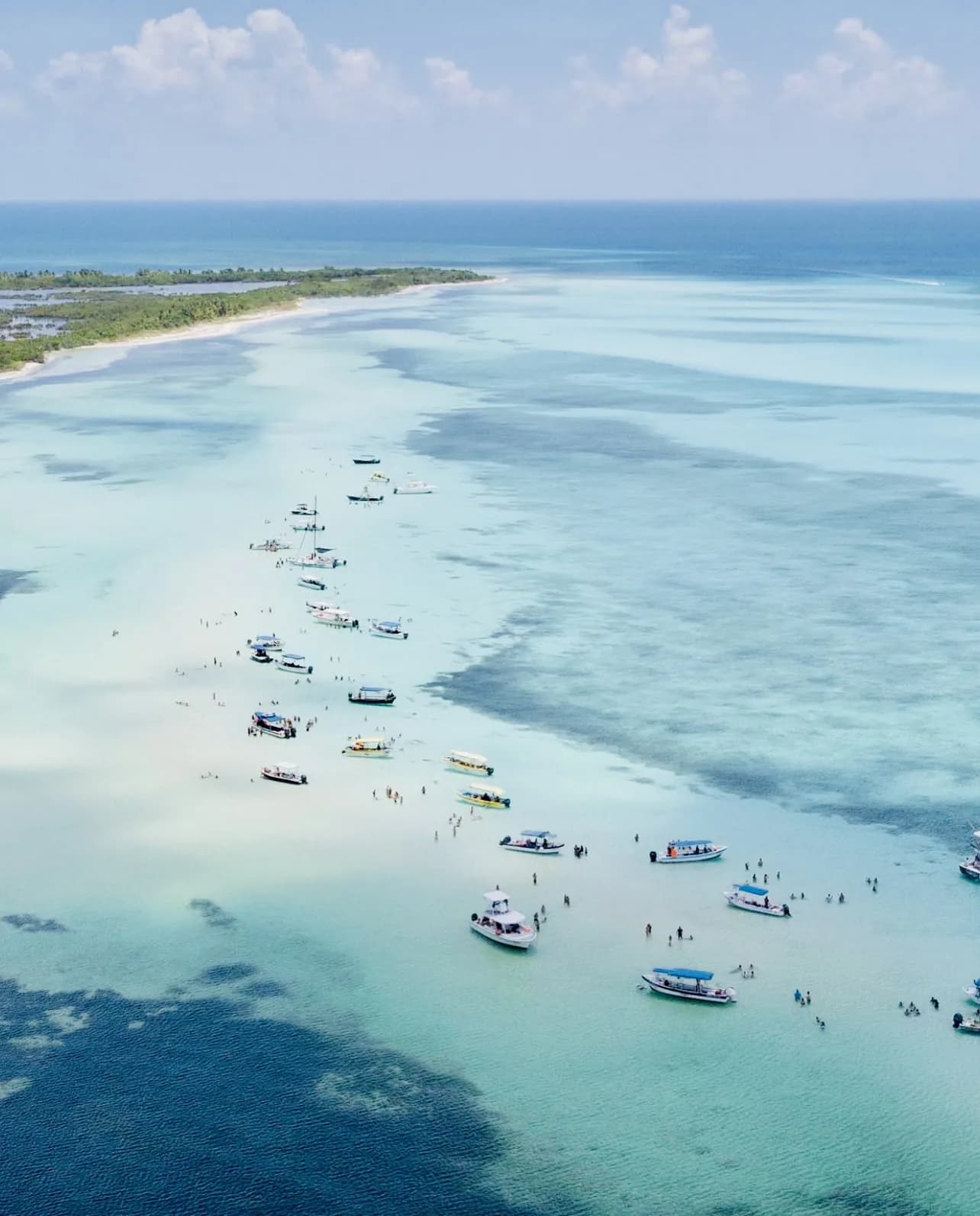
Cozumel has a structural safety advantage that mainland destinations like Tulum and Playa del Carmen do not: it is an island. Access is controlled by ferry and by the cruise port. The local economy is heavily dependent on cruise tourism, which gives the local government, port authority, and tourism industry a powerful incentive to maintain a safe environment.
Specifically:
- No through traffic. Unlike border cities or interior trade routes, Cozumel is not a transit point for organized crime activity. The island's only meaningful traffic is tourism.
- Strong tourist police presence. The downtown San Miguel area, the cruise terminals (Punta Langosta, Puerta Maya, International Pier), and the major excursion staging areas are heavily patrolled.
- Regulated excursion operators. Operators licensed for cruise passenger pickup must meet stringent safety, insurance, and certification requirements. This is part of why we maintain transparent operator standards across every tour on our Cozumel cruise port guide.
- Established medical infrastructure. Cozumel has multiple modern hospitals and clinics with English-speaking staff, dive medicine specialists, and 24/7 emergency response.
- Small geography. The developed western coast of the island where 99% of tourists go is compact, well-lit, and easy to navigate. You are never far from help.
These structural factors are why Cozumel's day-to-day safety experience consistently outperforms the State Department's broad-brush advisory.
What the Actual Risks Look Like on a Cozumel Port Day
If you set aside the headlines and look at what actually happens to Cozumel visitors, the real risks are mostly mundane:
1. Sun and Heat Exposure
This is by far the most common safety issue affecting cruise passengers in Cozumel. Sunburn, dehydration, and heat exhaustion send more visitors to the medical office than anything else. Caribbean sun at 20 degrees north latitude is intense, especially on the water. SPF 50, a hat, and steady water intake are non-negotiable.
2. Water and Marine Safety
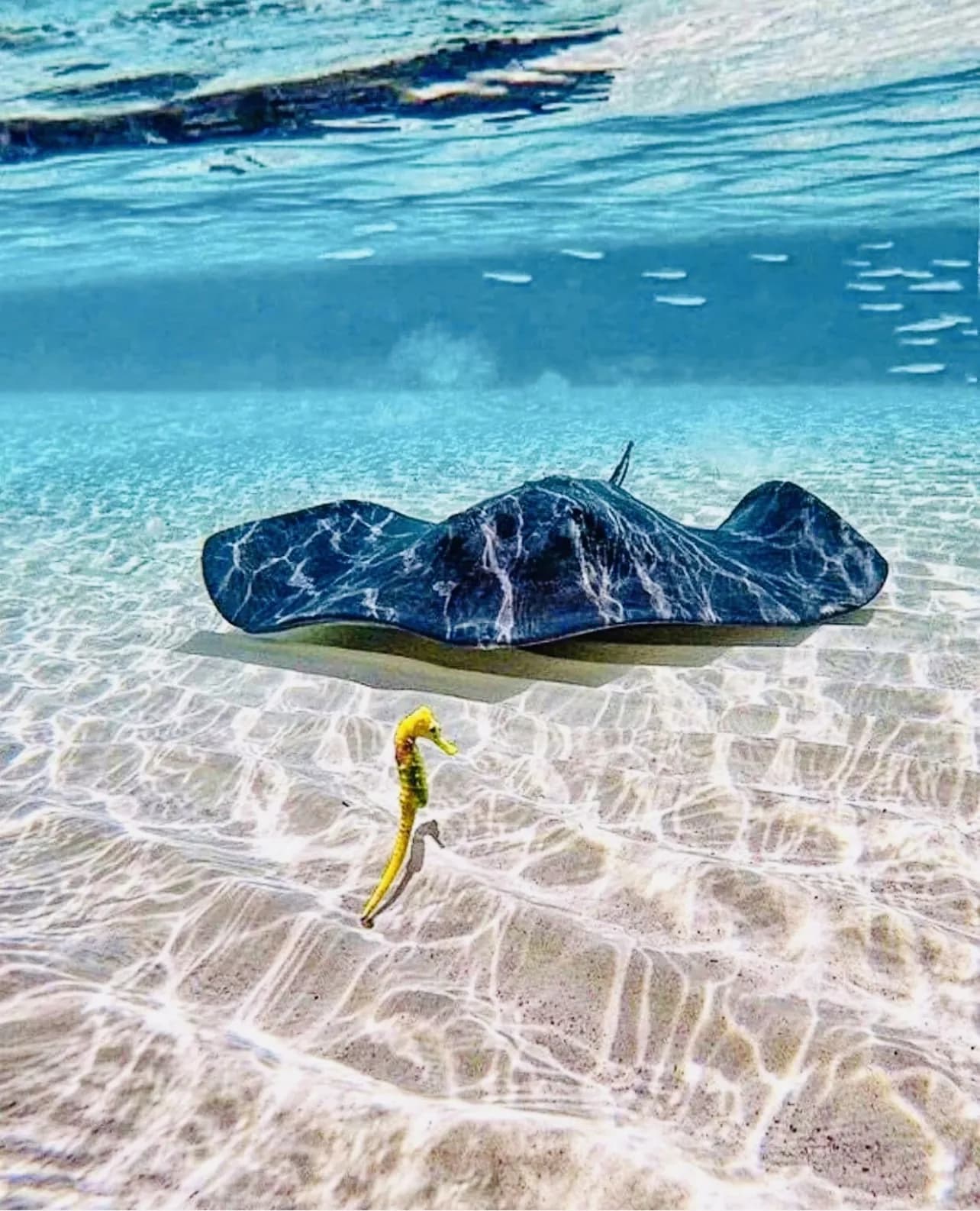
Cozumel is a world-class snorkeling and diving destination, which means most visitors spend time in the water. The genuine risks are:
- Strong currents on the reef. Cozumel's reefs are drift-snorkeling territory because the current is real. Always go with a licensed operator who briefs you properly.
- Boat traffic. Stay close to your group and your tour vessel.
- Marine life contact. Coral cuts and jellyfish stings are the most common issues. Sea urchin punctures occur occasionally.
- Sun reflection. Water-based sun exposure is the most punishing kind.
These risks are easy to manage with a qualified operator. Our guide to the best snorkeling in Cozumel breaks down the conditions at each major site and the operator standards that make a snorkel trip both fun and safe.
3. Adventure Excursion Risk
ATV, dune buggy, jeep, and zipline excursions involve real activity-specific risk. Choose operators with documented insurance, well-maintained equipment, and certified guides. If a quote feels suspiciously cheap, it usually means an operator is cutting corners on maintenance or insurance.
4. Traffic and Scooter Rentals
Renting a scooter or moped in Cozumel sounds romantic and is genuinely one of the riskier things a tourist can do. Tropical rain, unfamiliar traffic patterns, and minimal protective gear add up. If you rent any vehicle, choose a Jeep or full-size car over a scooter.
5. Petty Theft and Scams
Pickpocketing exists in any tourist area. Common scams include taxi overcharges (agree on a fare before getting in), aggressive timeshare pitches in port, and counterfeit silver and jewelry in market shops. None of these are dangerous — they just cost money. Use the tourist information centers, agree on prices before transacting, and you will be fine.
6. Drug-Related Risk
This is the area where mainland Mexico's most serious problems exist. In Cozumel, drug-related crime is rare and is almost never directed at tourists. The most reliable way to stay completely outside this risk category is to not engage with anyone offering drugs in port. It is not common, and ignoring offers makes the issue disappear entirely.
Areas of Cozumel: Where You Are and What It Means
Most cruise passengers experience three areas of Cozumel:
The cruise terminals. Punta Langosta is downtown, Puerta Maya is south, and the International Pier sits adjacent to Puerta Maya. All three are heavily secured, monitored, and patrolled. Safety in these zones is essentially equivalent to any major U.S. cruise port.
Downtown San Miguel. The main town is friendly, walkable, and well-policed. The malecon (waterfront promenade), Plaza del Sol, and the surrounding streets are all safe to explore during the day. Petty theft awareness is the appropriate baseline.
The eastern and northern parts of the island. These are less developed and less trafficked. They are not dangerous, but they are remote enough that cell service can be spotty and emergency response is slower. Most visitors only go east as part of a guided jeep or ATV excursion, which is the right way to do it.
What to Do Before You Step Off the Ship
A few practical precautions account for the vast majority of safety improvements:
- Tell your travel companion or cabin steward what excursion you are doing and when you are returning.
- Use a licensed excursion operator. Look for operators with a documented insurance policy, visible certifications, and clear cruise ship return guarantees. You can browse our full lineup of vetted Cozumel excursions for a sense of what good operator standards look like.
- Keep your cruise ship medical center number accessible. This is your most reliable medical resource even when on the island.
- Bring a copy of your passport in your phone. Leave the original on the ship unless you are doing a multi-day stay.
- Match the activity to your fitness. Most excursion incidents happen when visitors choose an activity beyond their physical comfort zone.
- Hydrate aggressively. Drink water before, during, and after every excursion. Alcohol does not count.
- Reapply sunscreen. Every two hours, more often if swimming.
When Headlines Make You Nervous
Periodically, news cycles produce alarming stories about violence in Mexico. Almost always, these stories involve regions far from Cozumel — Sinaloa, Michoacan, parts of the U.S. border. When in doubt, check the State Department advisory page for the specific state, not the country overall. Quintana Roo's status has remained at Level 2 for years, even during periods of heightened concern about other parts of Mexico.
The single best heuristic is this: Cozumel's safety profile is much closer to Cancun's beach zone than to any inland Mexican city. If you would feel comfortable taking a family vacation to Cancun, you will feel comfortable in Cozumel.
How Operator Quality Affects Your Safety
The biggest single variable in cruise passenger safety is operator quality. The difference between a well-run excursion company and a sketchy independent operator is enormous. A reputable operator will have:
- Proof of liability insurance.
- Certified guides — divemaster, EMT, lifeguard, or equivalent depending on the activity.
- Regularly maintained vehicles, vessels, or equipment.
- A documented cruise ship return guarantee in writing.
- Transparent pricing without hidden fees.
- Visible safety briefings before every activity.
- A real, working customer service line if something goes wrong.
If an operator on the dock cannot answer those questions clearly, walk away. We document our own standards openly on our Cozumel safety and operator standards page because we think travelers should be able to evaluate any operator the same way.
The Bottom Line: Is Cozumel Safe Right Now?
Yes. Cozumel is safe right now in 2026. It is one of the safest destinations in Mexico, one of the safest Caribbean cruise ports, and the structural factors that make it safe — island geography, tourism-dependent economy, heavy security presence, regulated operators, modern medical infrastructure — are stable and longstanding.
The genuine risks of a Cozumel port day are largely the same as any tropical beach destination: sun, water, activity selection, and basic petty-theft awareness. None of these are unique to Mexico, and none of them are reasons to skip a Cozumel port stop. Choose a reputable excursion operator, take normal precautions, hydrate, wear sunscreen, and you will return to the ship with the same answer every Cozumel visitor gives: Cozumel was the best port of the cruise.
If you want help planning a port day that matches your group's comfort level — family with young kids, first-time cruisers, adventure-seekers — start with our Cozumel cruise port guide and reach out with questions. Safety is the foundation of every good excursion, and it is the foundation of every recommendation we make.