
Discover the optimal months for snorkeling in Cozumel with insider tips on water visibility, marine life encounters, and weather conditions throughout the year.
Cozumel's reputation as one of the world's premier snorkeling destinations is well-deserved, but timing your visit can mean the difference between good snorkeling and absolutely spectacular underwater experiences. The island's position along the Mesoamerican Barrier Reef provides year-round snorkeling opportunities, yet certain months offer significantly better conditions for visibility, marine life encounters, and overall comfort.
The Golden Window: December Through April
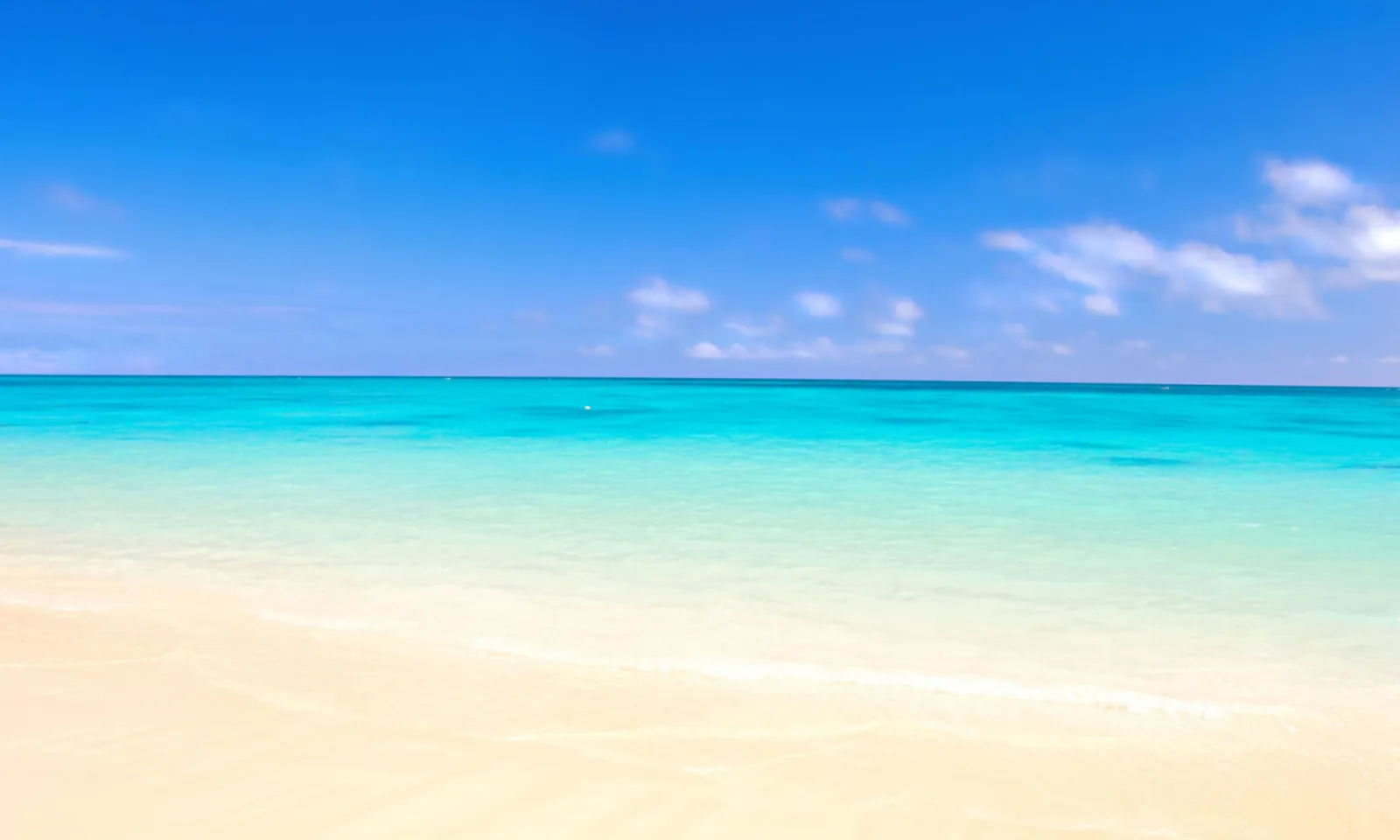
The absolute best time for snorkeling in Cozumel falls between December and April, particularly January through March. During these months, underwater visibility regularly exceeds 100 feet, allowing you to see the reef's vibrant colors and marine life in stunning clarity. The water remains comfortably warm at 78-80°F, requiring only a rash guard or thin wetsuit for extended snorkeling sessions.
Winter months bring calm seas with minimal wind and wave action, making boat rides comfortable and entry points accessible. The dry season means less runoff reaching the ocean, keeping the water crystal clear. If you're planning a cruise during peak winter season, you're already visiting during optimal snorkeling conditions—take full advantage with our snorkeling tours that access the healthiest reef sections.
What Makes Winter Months Ideal
Several factors combine to create perfect snorkeling conditions during winter. The lack of rainfall means no sediment washing into the ocean to cloud visibility. Cooler air temperatures reduce algae blooms that can diminish water clarity. Trade winds blow consistently but not excessively, creating gentle current that helps snorkelers cover more reef area without fighting strong water movement.
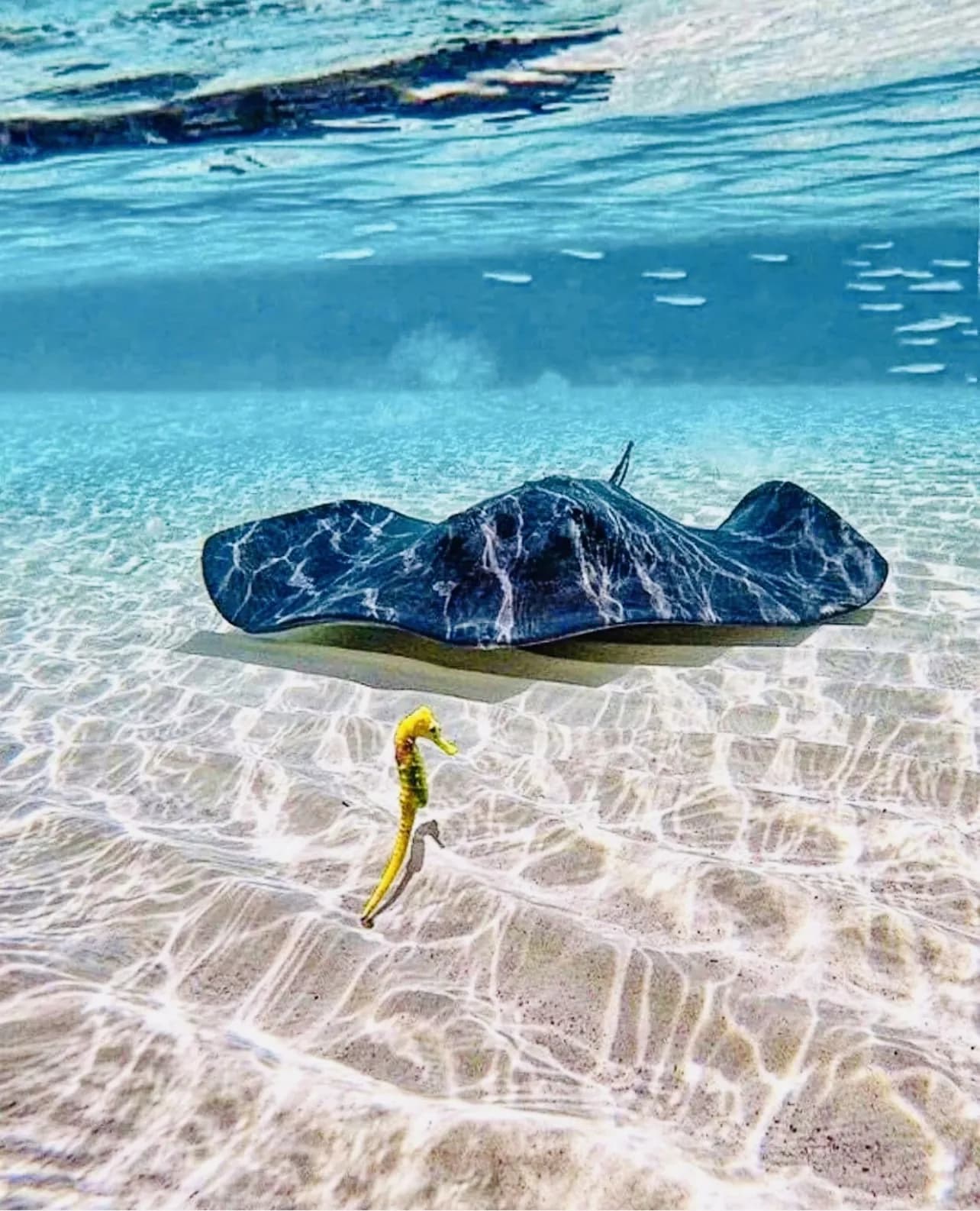
Marine life remains abundant year-round, but winter visibility lets you spot creatures you'd miss in murkier conditions: eagle rays gliding past, spotted drum hiding in crevices, and schools of blue tangs moving across the reef like underwater clouds.
The Shoulder Season Opportunity: November and May
November and May offer excellent value for snorkelers willing to accept slightly less predictable conditions. November marks the transition from wet to dry season—early November can still see occasional rain, but by mid-month conditions typically improve dramatically. Water visibility averages 70-80 feet, still exceptional by most destinations' standards.
May sits at the opposite transition point. The first half usually maintains good visibility before wet season fully establishes. Water temperatures rise to a very comfortable 82-84°F. Crowds thin significantly compared to winter, meaning popular snorkeling sites feel less congested. If your cruise visits during these months, you'll likely enjoy nearly ideal conditions at lower prices.
Summer and Fall: Manageable Challenges
June through October presents more variable conditions. Visibility decreases to 50-70 feet on average due to increased rainfall, higher plankton levels, and occasional algae blooms. However, "reduced" Cozumel visibility still exceeds what many Caribbean destinations offer during their best months.
The main consideration during summer and fall is hurricane season, running June 1 through November 30 with peak activity in August and September. While direct hits are relatively rare, tropical weather can bring heavy rain and wind that temporarily reduces visibility and closes snorkeling operations. Travel insurance becomes essential for trips during this period.
That said, summer snorkeling has advantages: warmer water (84-86°F) requires minimal thermal protection, and some marine species become more active in warmer temperatures. If weather cooperates, you'll enjoy uncrowded reefs and significantly lower tour prices.
Timing Your Snorkeling Adventure
For cruise passengers with fixed travel dates, don't despair if you're visiting outside peak season. Cozumel's reef system is so robust that even "average" conditions provide memorable snorkeling. The key is choosing quality operators who know where to find the best conditions on any given day.
Morning snorkeling typically offers the best visibility regardless of season, as afternoon winds can stir up sediment and create choppier surface conditions. If your cruise schedule allows flexibility, book the earliest snorkeling departure available.
Making the Most of Your Conditions
Whatever month you visit, Cozumel's underwater world awaits with colorful coral formations, tropical fish in remarkable diversity, and that magical sense of floating weightless in a completely different realm. Winter visitors get the premium experience, but every season offers its own rewards for those who venture beneath the surface.
The difference between adequate snorkeling and extraordinary snorkeling often comes down to local knowledge—knowing which reefs perform best in current conditions, understanding tide and current patterns, and accessing sites away from crowds. Whether you visit in peak clarity season or accept the adventure of shoulder months, Cozumel's reef will exceed your expectations.