

Not every Cozumel beach has a soft sandy entry, so here is where the sand is, where the limestone rock is, and when water shoes earn a place in your day bag.
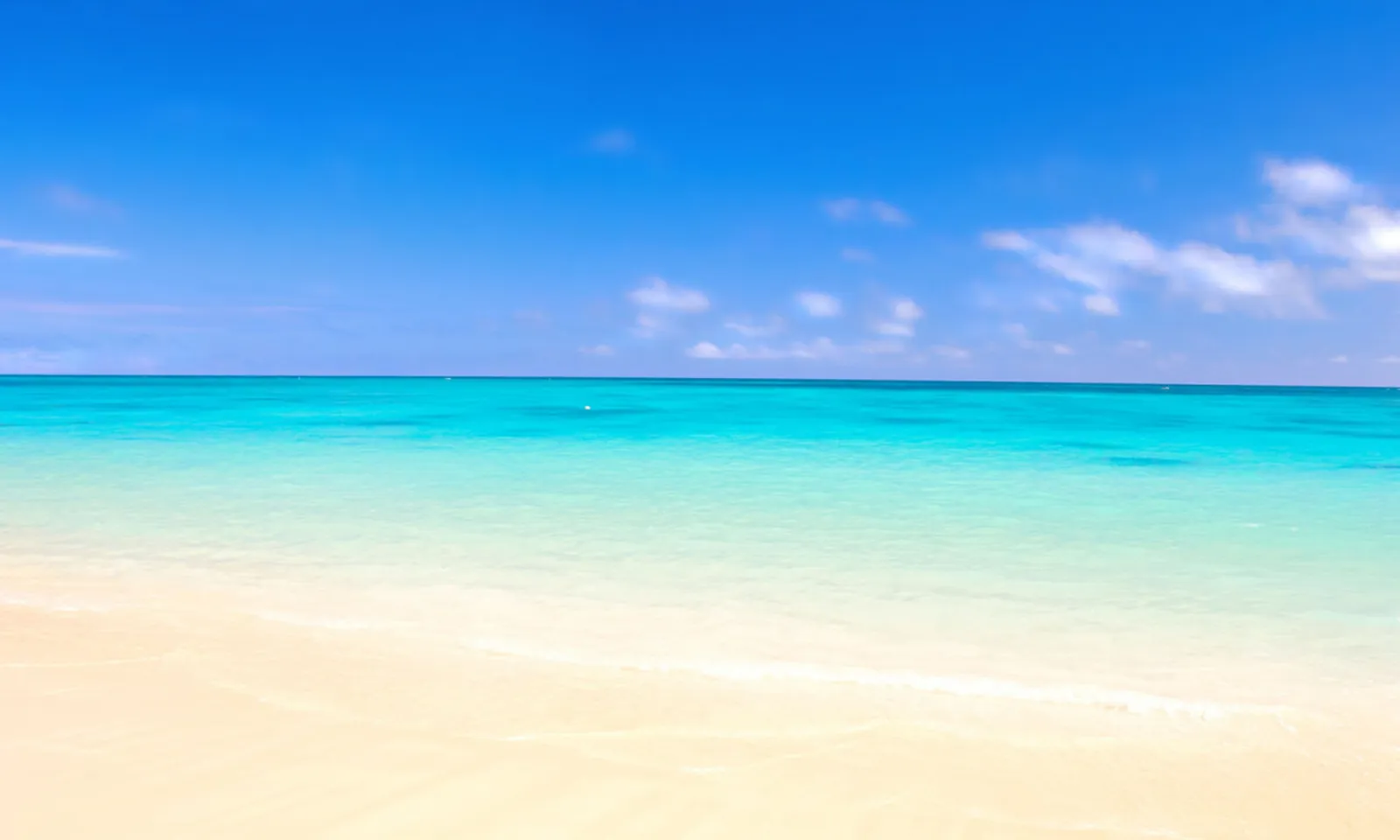
Ask a hundred cruise passengers to picture a Cozumel beach and most will see the same thing: soft white sand, water you can wade into, a palapa and a cold drink. Parts of the island look exactly like that. Much of its shoreline does not. Cozumel is a slab of limestone, and long stretches of coast are rock ledge, sometimes with a ladder bolted on, rather than sand you can walk into. Knowing which kind of entry you are heading for is the difference between a relaxed afternoon and a sore-footed scramble, so this guide sorts the island into sandy entries, rocky entries and the one famous spot that is neither.
Why is so much of the Cozumel beach shoreline rock?
Cozumel has no rivers. There is nothing carrying sediment down to the sea to build wide beaches, so the sand that exists is made of ground coral and shell, and it collects only where the currents and the shape of the coast allow. Everywhere else the sea meets bare limestone. Locals call the eroded, pitted version of it ironshore, and it is as unfriendly to bare feet as the name suggests.
The island's two coasts behave very differently. The west side faces the mainland and sits in the lee of the trade winds, so the water is calm and clear, which is why the cruise piers, the town and nearly all the beach clubs are there. The east side takes the open Caribbean head-on, and the surf has piled up long, wild sandy beaches with almost nothing built on them.
That split explains the paradox cruise passengers run into. The calm coast is the rocky one, and the sandy coast is the rough one. Many west-coast beach clubs sit on genuine sand, but plenty of the shoreline between them is rock with steps, and a club's photos may show the one soft patch it has.
Where are the sandy Cozumel beach entries?
The most reliable sand on the calm side is in the southwest, well past the cruise piers. Playa Palancar and Playa San Francisco are the names most people know; both are sandy underfoot and shallow enough to wade in, with reef a short boat ride offshore. The beach clubs that line this stretch sit on the same sand, and most offer chairs, shade, food and a pool in exchange for a day pass or a minimum spend.
Isla Pasión is the other sure thing. It sits off the north coast and is reached only by boat, and the entry is as gentle as it gets: a broad shelf of fine sand sloping into warm, knee-to-waist-deep water with no rock in the way. It suits toddlers, grandparents and anyone whose knees have opinions about ladders.
Punta Sur, the eco park at the island's southern tip, rounds out the sandy list. Its beach sits inside the park beside the lagoon and the lighthouse, so it comes with an entry fee and a longer drive, but the sand is soft, the water on that stretch is usually calm, and it pairs naturally with a jeep day that is already heading south. Go early; the park is quietest before the midday buses.
If you want guaranteed sand plus a pool as a fallback, an all-inclusive club is the simplest booking. Our resort day pass Cozumel listings show the clubs with soft entries, shaded loungers and lunch included, so you can check the shoreline in the photos before you commit the day to it.
Which beaches are rocky, and how do you get in?
Chankanaab is the best-known example. It is one of the finest places on the island to snorkel straight from shore, and that is precisely because the water deepens fast over rock and reef right at the edge. Most people get in from steps or a ladder, not from a beach, and the small sandy pockets fill up early. Treat it as a swimming spot with sand nearby rather than as a sandy beach.
Much of the coastline between downtown and the southern beach clubs is the same story: limestone ledges, docks, ladders and the occasional cove. Entries like these are fine for confident swimmers in water shoes and tiresome for everyone else. Watch where you put your hands as well as your feet, because sea urchins favour exactly the rocky crevices you will be reaching for.
A useful pattern to recognise is the club with sand but no sandy entry. The loungers sit on a soft lawn of trucked-in sand, the view is perfect, and the way into the water is a dock with a ladder because the natural shoreline underneath is rock. Nothing is wrong with that arrangement, but it is not what a toddler or a nervous swimmer pictured, so ask one plain question when you book: do you walk into the water or climb into it?
On the east side, Chen Río is the exception that makes the coast usable. A line of rock shelters a natural pool from the surf, so you get a sandy floor and calmer water while the waves break outside. The rest of the east coast, from Punta Morena down to Playa San Martín, is beautiful, sandy and often too rough for swimming; treat those stops as photo and lunch breaks on a jeep day rather than as swimming beaches.
What is El Cielo, and why is a sandbar not a beach?
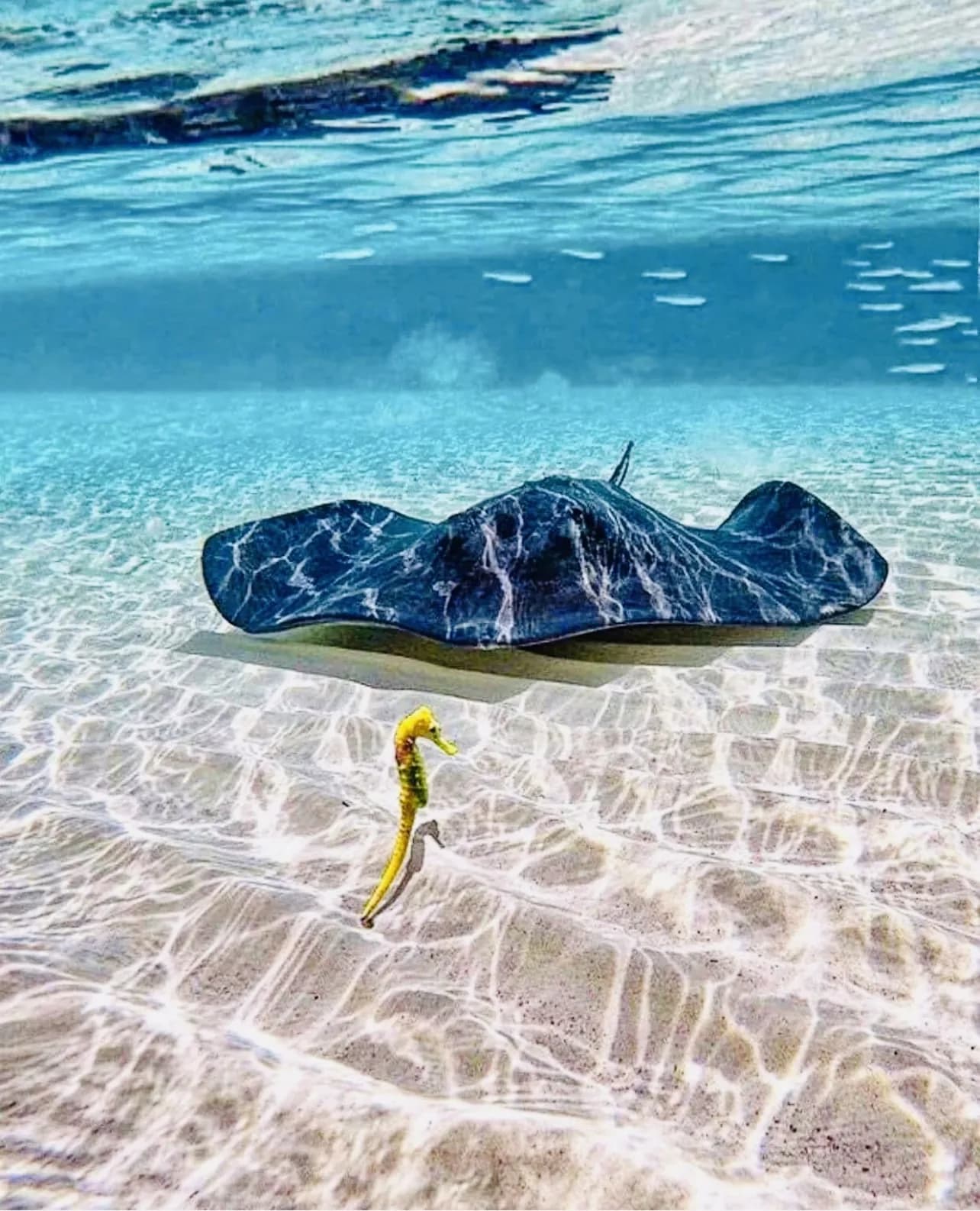
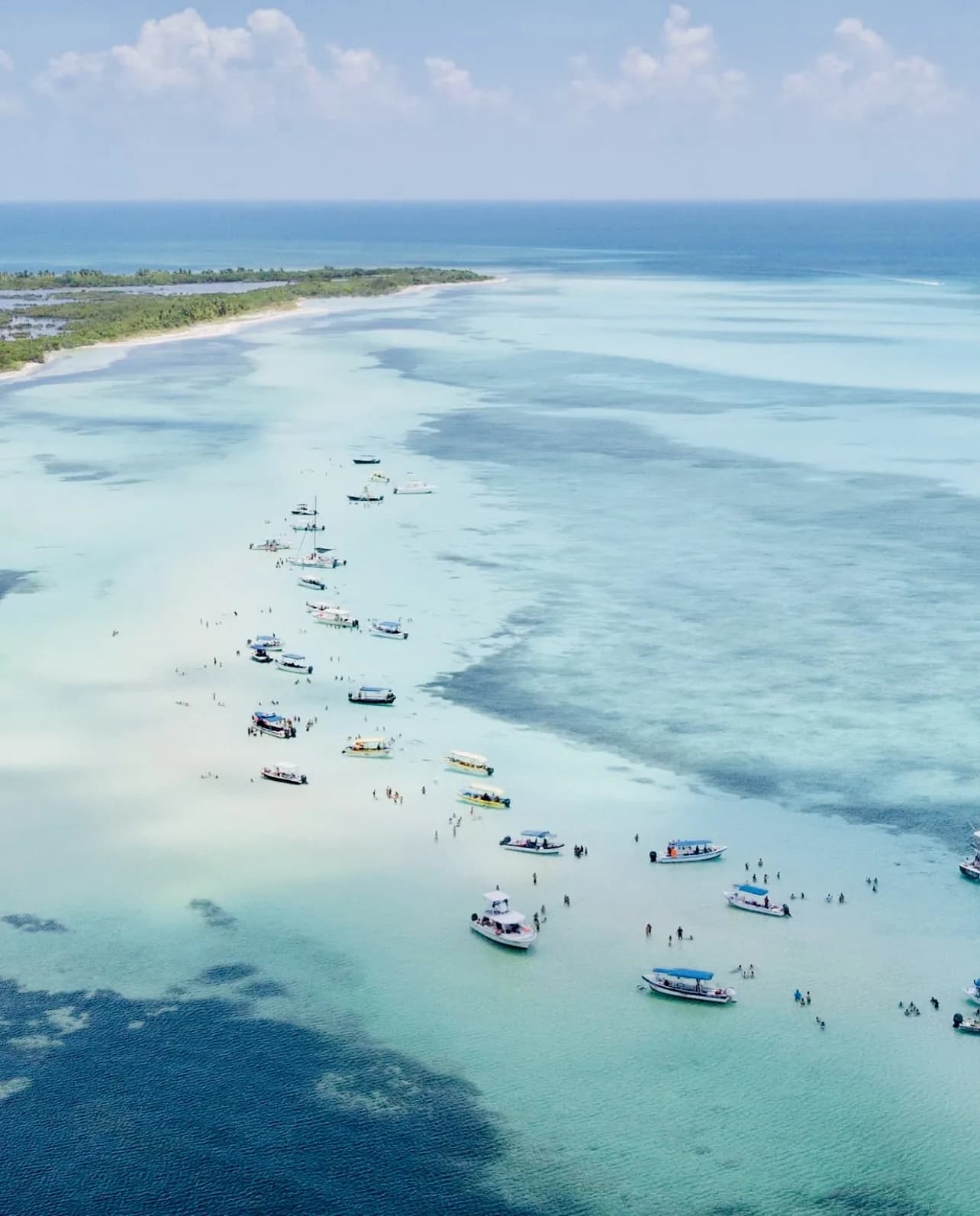
El Cielo is the spot that confuses the whole question. It appears in beach lists everywhere, yet there is no shore at all. It is a sandbar off the southwest coast where the sea floor rises to waist height over brilliant white sand, far enough out that you reach it only by boat. You step off a ladder into clear, shallow water and stand on sand with nothing but sea in every direction.
Boat captains and locals shorten the name to just cielo, and our Spanish-language guide explains where it sits and how the boats reach it. In English, the practical points are these: the entry is soft sand under water, the depth is forgiving, and the famous residents are starfish. Look, photograph, and leave them on the bottom; lifting a starfish out of the water harms it, and the area is protected.
Because it is a sandbar, El Cielo comes as part of a boat trip, usually paired with a reef snorkel on the way out. There are no loungers, no palapas and no bathrooms on site; the boat is your beach club for the afternoon. For a shoreline to lie on afterwards, pair it with a club stop or a short visit to one of the sandy beaches nearby.
When do you need water shoes in Cozumel?
Water shoes are the cheapest insurance you can pack for a Cozumel beach day, and the moment you need them you will be glad they weigh nothing. Bring them for any rocky entry, for shore snorkelling at Chankanaab, for cenote stops where the rock is slick, and for walking across midday sand that has been baking since sunrise. They also help on a boat deck and on the ironshore ledges that east-side jeep tours stop at for photos.
Leave them off for the soft stuff. On Isla Pasión, at Palancar or on the El Cielo sandbar they add nothing, and if you are snorkelling with fins you cannot wear both at once. A reasonable rule: if the entry is sand, go barefoot; if it is rock, ladder or steps, wear the shoes until you are floating.
Buy them before you sail. Shops near the piers do stock them, but you will pay port prices and lose beach time hunting for a pair in the right size, and children's sizes are the first to run out. Closed-toe styles with a real sole protect better than mesh slippers on ironshore; slip-on aqua socks are fine for sandbars and boat decks but offer little against a sharp ledge.
Two other small items change a rocky day. A dry bag keeps a phone and ship card off wet limestone, and a thin rash guard saves your shoulders and saves the reef from sunscreen that would otherwise wash off. Reef-friendly sunscreen is expected inside the marine park, and many boat crews will ask about it.
How do you pick the right entry for your group and your port window?
Start with your pier, because it sets the clock. Ships dock at three places, and the ride from each to the southwest beaches is different; our Cozumel cruise port guide walks through the piers, the taxi line and how early to turn back for all-aboard. With a 6–8 hour window, a sandy club in the southwest or an Isla Pasión boat day fits comfortably; stacking a rocky shore snorkel on top of either is where days start to run tight.
Then match the entry to the weakest swimmer in the party. Small children, nervous swimmers and anyone with a bad knee do best on Isla Pasión, at a sandy club or on the sandbar, where getting in means walking. Confident swimmers who want fish from the first minute will prefer a rocky entry, and should bring the shoes. Mixed groups do well at a club with both a sandy beach and a pool, so nobody has to choose.
Finally, check the wind. From late autumn through winter a norte can turn the calm west coast choppy for a day or two, and boats may reroute or cancel; sandy clubs with pools are the surest bet on those mornings. East-side beaches get rougher still, and sargassum, when it arrives, lands mostly on the east.
If you want the short version, it runs like this. Families with small children, grandparents and anyone nervous in the water: Isla Pasión or a sandy southwest club. Snorkellers who want fish without a boat: Chankanaab, with water shoes on. Anyone who has seen the starfish photos: an El Cielo boat day, with a club stop for the shoreline afterwards. Jeep explorers: east-side beaches for the photos and Chen Río or Punta Sur for the swim.
Whichever shoreline you choose, book it with people who know exactly what is underfoot. Our Cozumel cruise excursions team runs the Isla Pasión, El Cielo and beach club days every ship day of the season, and we are glad to tell you whether a given Cozumel beach is sand, rock or ladder before you pay for it. Pick the entry that suits your group, pack the water shoes, and spend the afternoon in the water instead of hunting for a way into it.