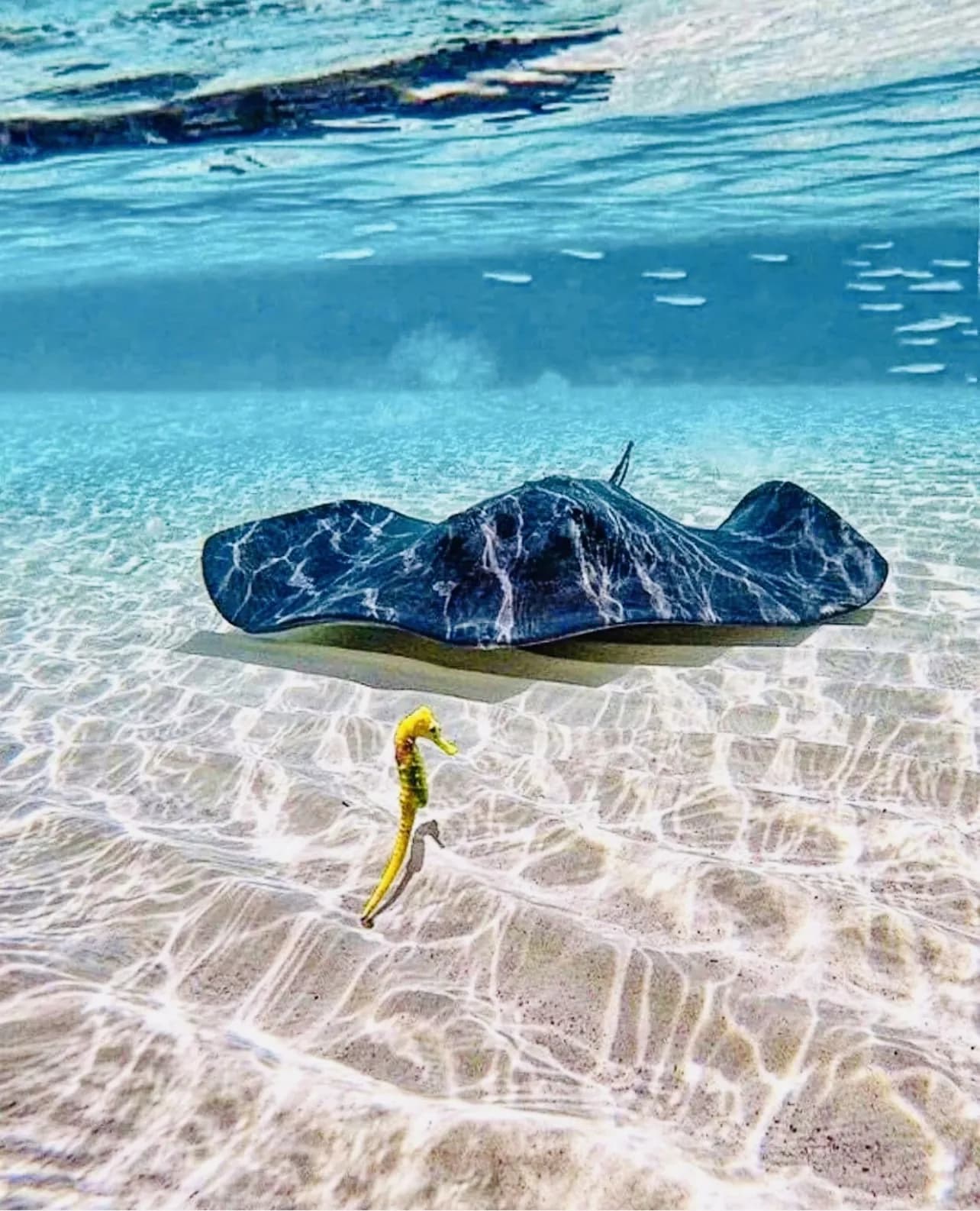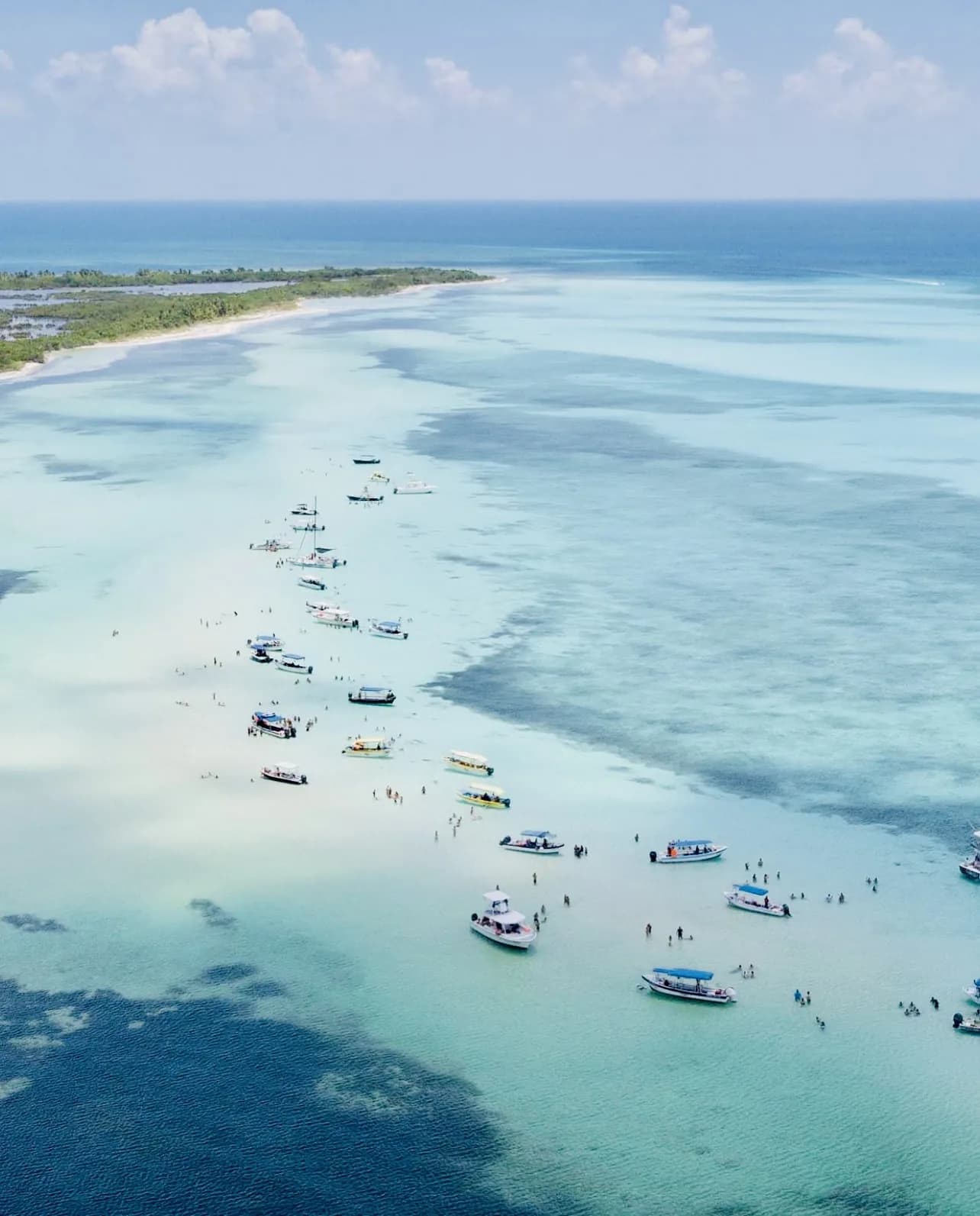


Every cozumel beach sits on one of three very different shorelines, and the side you pick decides whether you swim, wade or only take photographs.
Search for a cozumel beach and you get a wall of turquoise photographs that all look like the same place. They are not. Cozumel is a long, low island lying north to south, and its three coastlines behave so differently that a beach on one side can be glassy and waist-deep while a beach twenty minutes away is throwing shore break onto rock. Photographs flatten that difference. A port day spent on the wrong side of it is the difference between swimming and sitting.
The thing that separates them is not sand quality or how the resort looks in a brochure. It is exposure — which direction the shoreline faces relative to the prevailing wind, and whether anything offshore breaks the swell before it arrives.
Why One Cozumel Beach Feels Nothing Like the Next
Cozumel sits in the path of easterly trade winds that blow across open Caribbean water for hundreds of miles before reaching the island. The east-facing coast takes that energy directly. The west-facing coast sits in the island's own wind shadow, with reef structure offshore absorbing much of what is left. The north end wraps around a shallow lagoon system, which is quieter again.
The second factor is what the shoreline is made of. Cozumel is a limestone island, and a great deal of its coast is exactly that — flat, hard, fossil-rock shelf, sometimes with a sharp edge where it meets the water. Sand exists in pockets between those shelves, and many of the beaches visitors recognize are sand pockets that have been widened, groomed and stocked with loungers. That is why two neighboring properties can offer completely different water entry: one has soft sand sloping gently out, the next has a ladder bolted into rock.
Seagrass is the third variable. Sheltered shallow water grows it, and it is a sign of a healthy nearshore system rather than a dirty beach. Some operators rake the swimming corridor and leave the rest; some do not rake at all. If you want bare white sand underfoot for a hundred meters, that expectation narrows your options considerably.
The North Shore — Shallow Enough to Stand In
The north end of the island produces the calmest, shallowest water available to a cruise passenger, because the shoreline there faces into a protected lagoon rather than open sea.
Isla de la Pasión is the clearest example. The island sits just off the north coast, reached by boat across the lagoon, and the water around it is shallow and flat enough that you can wade out a long way and still be standing at waist depth. Our Isla Pasión beach day runs 5 to 6 hours from $79 per person with a maximum of 30 guests, includes buffet lunch and open bar, kayaks, paddleboards, loungers, hammocks and snorkel gear, and picks up at the cruise port. Daily visitor numbers are capped, which is the reason it stays quiet while the main strip fills up.
Shallow, sheltered water is the one condition that cannot be manufactured by a resort, which is why the north end is worth the extra travel time for the people who need it. That kind of water suits specific people. Families with small children, anyone who is not a confident swimmer, and anyone who wants to float rather than fight a current will all get more out of the north end than out of an ocean-facing beach. The trade-off is that shallow protected water is not where the big reef life is — you are swapping marine spectacle for comfort.
There is a middle option on the same side of the island. The beach club used on our beach club and snorkel combination is on the north side, roughly 10 to 15 minutes from the farthest cruise pier, and a taxi there costs around $10 for four people. The tour pairs a guided snorkel session with two to three hours of beach time afterwards, runs from $40 per person, and add-ons such as parasailing, waverunners or a Discover Scuba session can be attached with beach club entrance included. Bring your own towel — that is not usually provided — plus biodegradable sunscreen and cash for the taxi.
The West Shore — Sheltered Water, Interrupted Sand
The west coast is the island's working shoreline. It faces the channel toward the mainland, sits in the wind shadow, and carries almost all of Cozumel's development: the town of San Miguel, the three cruise piers, the dive operations and the majority of beach clubs and resorts.
Water conditions here are usually calm, and that reliability is the west shore's real selling point. On most days the choice on this side is not whether the water is swimmable but what you want included while you are in it. Entry varies property by property, though, because the underlying shelf does. Some beach clubs have genuine sand entry; others hand you a ladder or a short flight of steps down the rock. It is a fair question to ask before committing to a day pass, and the answer is rarely in the marketing photographs.
The access models differ more than the water does. Some clubs charge nothing to walk in but expect a food and drink minimum. Some charge an entry fee that buys a chair and an umbrella. All-inclusive properties sell a flat pass covering food, drinks and facilities for the day — our own resort day pass runs $60 per person, and the trade-offs between the different all-inclusive beach day pass options come down to how much you actually plan to eat and drink in five hours ashore.
The crowding pattern on this side is predictable. Passengers from the first ships to dock reach the nearest clubs mid-morning, the strip fills through late morning, and the busiest stretch runs from late morning to mid-afternoon before thinning out as all-aboard times approach.
The East Shore — Open Caribbean, Not a Swimming Beach
The east coast is the one that stops conversations. Undeveloped, long, empty, and facing thousands of miles of open water, it is arguably the most striking coastline on the island — and it is not a swimming destination.
Surf breaks directly onto the beach there. Currents run along the shore and offshore, the bottom drops away unevenly, and there is no lifeguard service. A handful of beach bars and restaurants operate along the road, and they will happily sell you lunch with a view, but the ones with any sense will tell you the same thing about the water. Locals swim there selectively, in specific sheltered pockets, on specific days, with knowledge of that spot.
Treat the east shore as scenery, a meal stop and a photograph rather than a beach day. It works beautifully as one leg of a jeep, ATV or scooter loop that crosses the island, pairs with Punta Sur at the southern tip, and returns to the west side for the swimming portion of the day. The east coast is the best drive on the island and the worst place on it to go for a swim — both of those statements are true at once.
Matching a Shore to the Hours You Have
Work backwards from your ship. If you have seven or eight hours ashore, one crossing and one swim stop is comfortable: drive the east coast, eat there, then return to the west or north side for water time. With five or six hours, pick a single shore and stay on it. With a tender day or a short call, stay close to the piers on the west side, because travel time eats the day faster than anything else.
Then match the shore to who you are traveling with. Small children and nervous swimmers belong on the north end. Anyone who wants reef fish and drift snorkeling belongs on the west side, where the reefs sit offshore. Anyone chasing photographs and empty coastline should cross to the east and accept that they are going there to look, not to swim.
One last practical note: conditions change seasonally, and the strongest north winds of the winter months can put chop and cloudiness into water that is normally flat and clear, occasionally canceling boat departures for a morning. Operators who run every day on this island will tell you honestly when that is happening, and a flexible booking matters more in those weeks than a perfect plan does.
Choosing the right cozumel beach is mostly a matter of admitting what you actually want from the water and then going to the side of the island that provides it. If you would rather have that decided for you, the Cozumel Cruise Excursions tour lineup groups every option by activity and duration so you can match one to your hours ashore, with cruise-port pickup built into the timing. Our family has run tours here since 1996, and picking the right coast for the day you have is the part we are happy to do for you.